Pharma Plant Setup Consultant in Africa
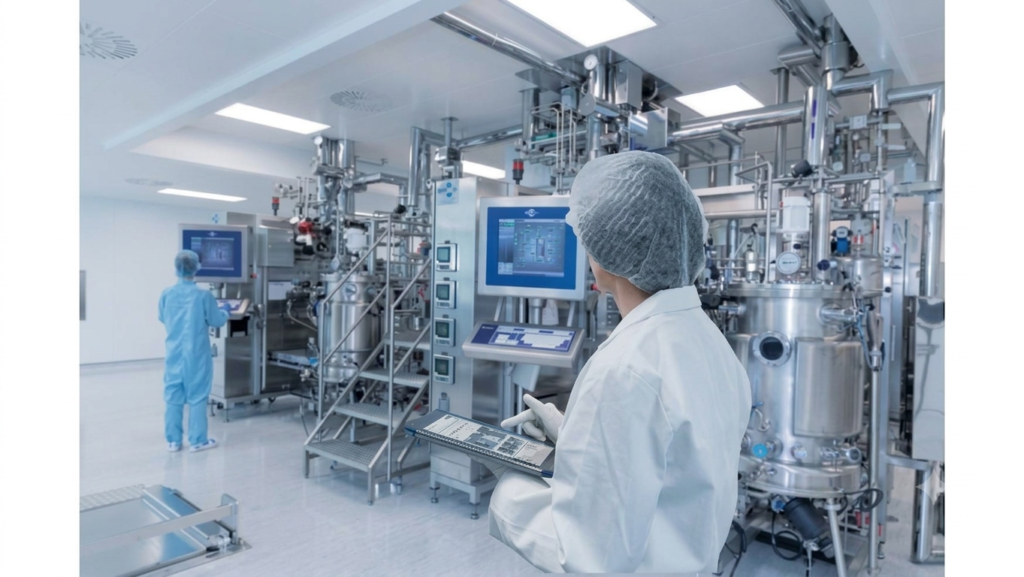
Setting up a pharmaceutical manufacturing facility requires careful coordination between manufacturing processes, facility planning, engineering systems, equipment, utilities, cleanrooms, laboratories, storage, and supporting infrastructure. The requirements can also vary depending on the type of pharmaceutical facility, project location, manufacturing process, and applicable regulatory framework.
Collabtec provides integrated support as a Pharma Plant Setup Consultant in Africa, helping pharmaceutical businesses translate their manufacturing requirements into practical facility and engineering solutions. Our scope can include pharmaceutical plant setup, facility planning, Pharmaceutical Plant Engineering, cleanroom planning, MEP coordination, utilities, equipment integration, laboratory planning, and project support.
Whether the project involves a new manufacturing facility, capacity expansion, or modification of an existing plant, early planning helps bring the different technical and operational requirements together before construction and execution progress too far.
Pharmaceutical Plant Setup Services Across Africa
A pharmaceutical plant is not simply a collection of production rooms. Manufacturing areas, equipment, utilities, storage, laboratories, personnel movement, material flow, and support spaces need to work together as one functioning facility.
As a Pharma Plant Setup Company in Africa, Collabtec can support pharmaceutical projects across different stages of facility development, including:
- Pharmaceutical facility planning and layout development
- Conceptual and functional plant layouts
- Pharmaceutical plant setup planning
- Production and manufacturing area planning
- GMP-oriented facility planning
- Cleanroom and controlled-area planning
- Plant Engineering and multidisciplinary coordination
- HVAC and MEP planning
- Pharmaceutical utility planning
- Equipment and process integration
- QC and laboratory planning
- Warehouse and material-flow planning
- Greenfield pharmaceutical facility development
- Brownfield expansion and facility modifications
- Engineering coordination and project support
The scope can be adapted to the manufacturing process, production capacity, site conditions, project objectives, available infrastructure, and stage of development.
For businesses looking for a Pharmaceutical Plant Setup Consultant in Africa, having these disciplines considered together can help create a more practical foundation for design and execution.
Our Approach to Pharmaceutical Plant Design and Engineering
Every pharmaceutical facility has different requirements. A formulation plant, API facility, biotechnology project, or other life-science manufacturing facility can have different production flows, equipment, environmental conditions, utility demands, and space requirements.
Our approach begins with understanding how the proposed facility is expected to operate.
1. Understanding the Manufacturing Process
The manufacturing process influences room requirements, equipment positioning, material movement, personnel movement, utilities, storage, and environmental conditions. Understanding these requirements early helps establish a more logical facility layout.
2. Developing the Facility Concept
The next stage involves translating operational requirements into functional areas and relationships. Production zones, support areas, storage, laboratories, utilities, circulation, and service spaces can be planned around the intended workflow.
3. Coordinating Engineering Requirements
A Pharma Engineering Consultant in Africa needs to consider more than the physical layout. HVAC, electrical systems, piping, process utilities, drainage, cleanrooms, equipment services, and maintenance access all need to fit within the facility.
Collabtec brings these requirements into the wider facility planning process so that engineering decisions are considered alongside production and operational needs.
4. Planning for Equipment and Future Requirements
Equipment dimensions, operating clearances, utility connections, cleaning requirements, maintenance access, and installation or replacement routes can influence the design considerably.
Where practical, the facility can also be planned to accommodate future equipment, capacity increases, or modifications without unnecessarily disrupting existing operations.
This process-focused approach helps ensure that Pharmaceutical Plant Design in Africa is based on how the facility will actually be used rather than relying on a standard layout.
GMP Pharma Facility Design, Cleanrooms and MEP Planning
GMP considerations are an important part of pharmaceutical facility development. However, regulatory requirements can differ depending on the country, product, manufacturing activity, and applicable regulatory framework. Facility planning therefore needs to consider the specific requirements relevant to the project rather than applying a single approach across every African market.
– GMP Pharma Facility Design
GMP Pharma Facility Design in Africa may involve planning for:
- Production zoning and segregation
- Personnel and material movement
- Controlled manufacturing environments
- Environmental control
- Equipment positioning
- Cleaning and maintenance
- QC and laboratory areas
- Raw material and finished-product storage
- Quarantine and controlled areas
- Critical pharmaceutical utilities
- Service and maintenance access
The objective is to create a GMP Pharmaceutical Facility that supports controlled manufacturing while remaining practical for production teams, quality personnel, maintenance staff, and future development.
Collabtec incorporates GMP considerations into the broader facility and engineering strategy so that compliance-related requirements are considered alongside operational and technical needs.
– Cleanroom Planning
A Clean Room Consultant in Africa needs to evaluate the cleanroom according to the manufacturing process, environmental requirements, room classification, equipment, personnel movement, and applicable standards.
Cleanroom planning can address:
- Room classification
- Airflow and pressure relationships
- Temperature and humidity control
- Filtration
- HVAC integration
- Personnel and material movement
- Equipment interfaces
- Cleaning and maintenance access
The cleanroom should connect logically with surrounding production and support areas instead of being treated as an isolated part of the facility.
– MEP and Pharmaceutical Utilities
An MEP Consultant for Pharma needs to coordinate engineering systems with the actual requirements of production areas and equipment.
Depending on the project, pharmaceutical utilities may include:
- Purified water
- Water for Injection (WFI)
- Clean steam
- Compressed air
- Process gases
- Electrical systems
- HVAC services
- Drainage
- Other process-support utilities
Utility planning should account for production demand, equipment requirements, reliability, maintenance, available infrastructure, and potential future expansion.
Laboratory, Warehouse and Supporting Facility Planning in Africa
A pharmaceutical manufacturing facility also depends on its supporting spaces. Laboratories, warehouses, storage areas, utility spaces, personnel facilities, and service areas can have a direct impact on production efficiency and material movement.
Laboratory Planning
A Laboratory Design Consultant can help develop laboratory spaces around testing requirements, equipment, sample handling, workflows, utilities, safety, storage, and future capacity.
Depending on the project, this can include QC laboratories, analytical testing areas, microbiology spaces, sample-handling areas, and related support facilities.
Laboratory planning should consider the movement of samples and personnel while allowing adequate space for equipment, utilities, cleaning, maintenance, and future requirements.
Warehouse and Material Flow
Warehouse planning needs to account for how raw materials, packaging materials, work-in-progress, and finished products enter, move through, and leave the facility.
Planning may include:
- Receiving and dispatch areas
- Raw material storage
- Packaging material storage
- Finished-product storage
- Quarantine areas
- Material staging
- Segregation requirements
- Internal movement routes
- Handling and access requirements
An Industrial Architect in Africa can contribute to broader space planning, zoning, circulation, and the relationship between the manufacturing facility and its supporting infrastructure.
Where We Support Pharmaceutical Projects Across Africa
Africa includes diverse pharmaceutical markets, industrial environments, infrastructure conditions, and regulatory frameworks. Pharmaceutical projects therefore need to be considered according to their specific country, site, manufacturing activity, and development objectives.
Collabtec can support pharmaceutical facility planning and engineering requirements across North Africa, West Africa, East Africa, Central Africa, and Southern Africa, depending on project scope and requirements.
Regional considerations may include:
- Existing site infrastructure
- Availability and reliability of utilities
- Site access and logistics
- Material and personnel movement
- Local construction conditions
- Manufacturing and storage requirements
- Applicable regulatory expectations
- Future capacity and expansion
- Integration with existing facilities
For projects involving a new plant or expansion of an existing pharmaceutical facility, understanding the site and its surrounding infrastructure early can influence the overall design strategy.
Collabtec approaches each project according to its actual requirements rather than assuming that the same facility model will work across every African market.
Plan Your Pharmaceutical Plant Setup in Africa With Collabtec
A pharmaceutical manufacturing facility is a long-term investment. Decisions around plant layout, production areas, equipment, cleanrooms, utilities, laboratories, warehouses, and supporting infrastructure can influence construction, operations, maintenance, compliance, and future expansion.
Whether you are planning a new pharmaceutical manufacturing facility, GMP facility, cleanroom, laboratory, capacity expansion, or brownfield modification, a coordinated engineering approach can help establish a practical foundation for the project.
Planning a pharmaceutical facility in Africa? Speak with Collabtec’s engineering team to discuss your site, manufacturing process, production requirements, GMP considerations, cleanroom needs, utilities, equipment, laboratories, and overall project scope.