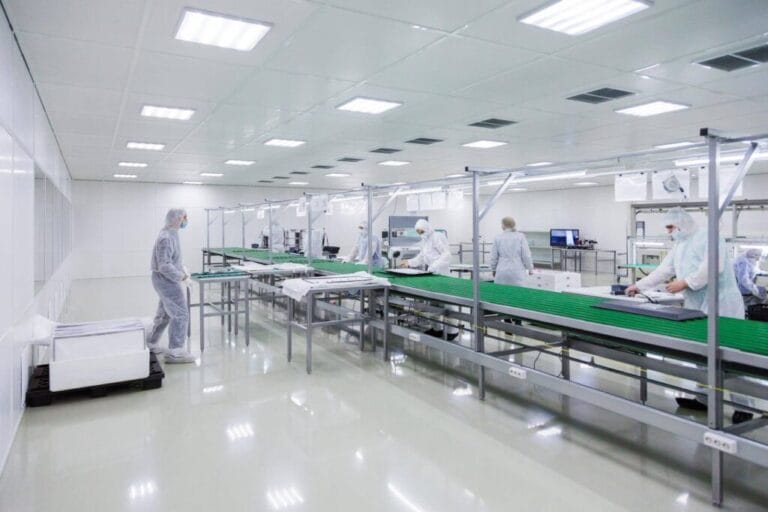
How Industrial Architects Improve Safety & Efficiency in Cosmetic Manufacturing Plants
When people think about setting up a cosmetic manufacturing plant, they usually focus on machines, production capacity, or output targets. But in reality, a lot of problems don’t start on the production line, they start much earlier, at the design stage.
A poorly planned facility can slow down operations, create safety risks, and make compliance harder than it needs to be. And the tricky part? These issues often don’t show up until the plant is already running.
That’s exactly why the role of an industrial architect becomes so important. Along with an engineering and MEP consultant, they help shape a facility that actually works in day-to-day operations, not just on drawings.
Why Facility Design is Critical for Safety & Efficiency in Cosmetic Manufacturing
In cosmetic manufacturing, safety and efficiency are tightly connected. If the layout isn’t thought through properly, even simple tasks can become time-consuming or risky.
For example, if raw materials and finished goods share the same movement path, it increases the chances of mix-ups. If ventilation isn’t planned well, it can affect both product quality and the working environment.
These are the kinds of issues that don’t always look serious on paper, but once operations begin, they become hard to ignore.
A well-designed facility helps avoid these situations by:
- Keeping processes clearly separated
- Making movement inside the plant smoother
- Supporting consistent product quality
- Reducing the need for constant adjustments later
At Collabtec, this is something that’s considered right from the start. The idea is simple, design a plant that works efficiently in real conditions, not just during planning.
Role of an Industrial Architect in Cosmetic Manufacturing Plant Design
An industrial architect isn’t just designing walls and spaces. They’re thinking about how the entire plant will function once people, materials, and processes come into play.
One thing experienced architects do differently is they don’t design in isolation. They look at:
- How materials will move
- Where people will spend most of their time
- What areas might get congested
- How the plant might expand in the future
This kind of thinking helps avoid common problems like bottlenecks or underutilized spaces.
When paired with a strong engineering consultant, these designs become much more practical. It’s not just about creating a layout, it’s about making sure it actually works when the plant is up and running.
Key Safety Considerations in Cosmetic Plants: From Layout to Compliance
Safety in cosmetic manufacturing is often misunderstood as just following protocols. But in reality, a lot of safety comes down to how the facility is designed.
Take zoning, for instance. If different processes aren’t properly separated, it can lead to contamination or confusion during operations.
Some key areas that need attention include:
1. Zoning and Separation
Production, storage, and utility areas should be clearly defined. Mixing these spaces often leads to unnecessary risks.
2. Air Quality and Ventilation
Cosmetic manufacturing involves fragrances, chemicals, and fine particles. Without proper airflow, both product quality and worker safety can be affected.
3. Fire Safety
Certain ingredients used in cosmetics can be flammable. Planning for this at the design stage is much easier than trying to fix it later.
4. Compliance Readiness
Meeting standards is one thing, but maintaining them during daily operations is another. Good design makes compliance easier to sustain.
An experienced FEED or engineering consultant ensures that these safety elements are not just included, but actually work under real conditions.
How Smart Layout & Workflow Planning Improves Operational Efficiency
If there’s one thing that directly affects productivity in a manufacturing plant, it’s workflow.
You’ll often see facilities where materials move back and forth unnecessarily, or where people have to walk long distances just to complete simple tasks. Over time, these inefficiencies add up.
A smarter layout focuses on:
1. Clear Movement Paths
Materials should move in a logical direction without crossing paths unnecessarily.
2. Better Use of Space
Every area should serve a purpose. Empty or cluttered spaces usually indicate poor planning.
3. Less Backtracking
Reducing unnecessary movement saves time and lowers the chance of errors.
4. Room for Growth
A plant that can’t adapt will eventually need expensive redesigns. Planning for flexibility early makes expansion easier.
A good industrial architect doesn’t just create a layout, they think about how that layout will perform months or even years down the line.
Role of MEP Consultants & Engineering Consultants in Plant Performance
Even the best layout won’t work properly without strong technical systems behind it. This is where MEP consultants and engineering consultants step in.
– HVAC Systems
Temperature, airflow, and humidity control are critical in cosmetic manufacturing. Poor HVAC planning can affect both product quality and comfort inside the plant.
– Electrical Systems
Unreliable power setups can interrupt production and create safety risks. Proper planning ensures smooth operations.
– Plumbing and Utilities
Water systems, drainage, and other utilities need to be designed with hygiene in mind. Small mistakes here can create bigger issues later.
One thing that often goes wrong is when these systems are designed separately from the layout. At Collabtec, everything is planned together, which makes execution much smoother.
Final Thoughts
Designing a cosmetic manufacturing plant isn’t just about ticking compliance boxes. It’s about creating a space that actually supports daily operations without constant friction.
Small design decisions, like layout, airflow, or zoning can have a big impact once the plant is running.
Working with experienced professionals like an industrial architect, engineering consultant, and MEP consultant helps ensure that these decisions are made correctly from the beginning.
Planning a Cosmetic Manufacturing Facility?
If you’re setting up a new plant or upgrading an existing one, getting the design right early can save a lot of time, cost, and effort later.
Collabtec works closely with many service sectors to design and build facilities that are practical, compliant, and built for long-term use.
Reach out to Collabtec to create a cosmetic manufacturing plant that runs efficiently from day one.
#Pharma #Engineering #Biopharma #cGMP #GxP #Cleanroom #ProcessEngineering #FacilityDesign
#API #Biologics #SterileManufacturing #Engineering #Manufacturing #IndustrialEngineering #ProjectManagement #Construction #EPCM #LifeSciences #Nutraceuticals #Healthcare
#R&D #QualityControl #labs #warehouse #collabtec