
Warehouses
Warehouses
Drawing from extensive experience in delivering warehouse solutions across diverse locales and project scopes, Spectrum boasts a proficient cadre specializing in Warehouse Planning, Design, and Construction. Our teams adeptly amalgamate warehouse infrastructures with precision, encompassing Racking Systems, Docking Bays, and more, to ensure seamless and optimized operational workflows.
Types of Storage Systems

Very Narrow Aisle Racking System, Ahmedabad

Robotic Automated Storage & Retrieval Systems, Chennai
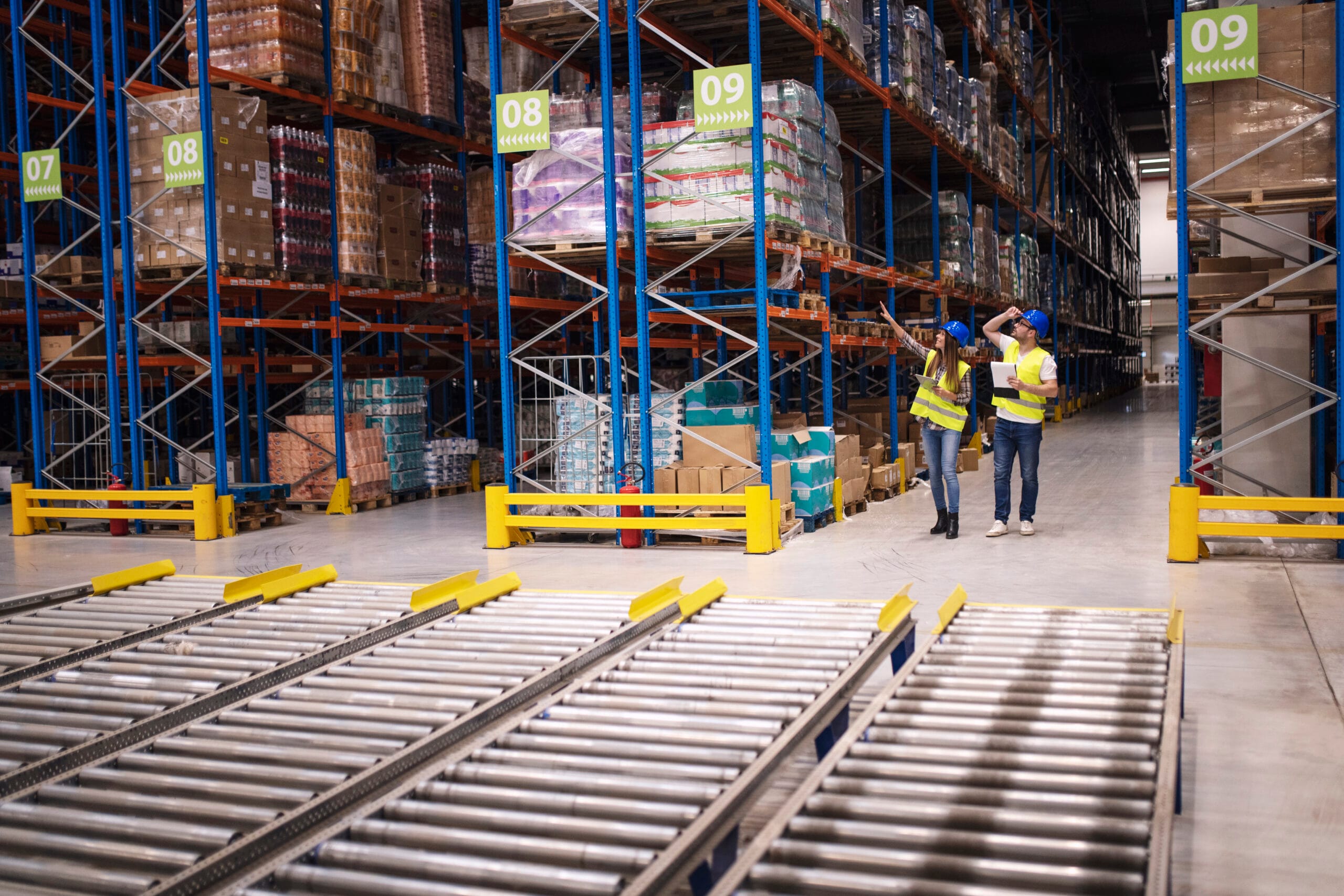
Mobile Racking System, Mumbai

Static Racking System(Single & Double Deep), Chandigarh
Warehouses
In today’s fast-paced supply chain and logistics industry, warehouses are crucial assets that keep goods moving smoothly from manufacturers to consumers. Whether you run a small business or manage a large corporation, understanding warehouses—their functions, types, and latest trends—is essential for optimizing storage and distribution.
In this comprehensive blog post, we’ll explore what warehouses are, their different types, why they matter, and how modern innovations are transforming warehouse operations. This guide is designed to help businesses harness the full potential of warehouses for operational excellence.
What Are Warehouses?
A warehouse is a large facility used to store goods and materials. It serves as a central hub for inventory management, where products are received, stored, and dispatched. Warehouses play a pivotal role in supply chains, ensuring that the right products reach the right customers at the right time.
In simple terms, warehouses help businesses manage stock efficiently, reduce delivery times, and maintain product quality by providing controlled environments.
Why Are Warehouses Important?
Warehouses form the backbone of efficient supply chains. Here’s why they are essential:
Inventory Storage: Warehouses provide a dedicated space to store raw materials, work-in-progress goods, and finished products.
Order Fulfillment: They facilitate picking, packing, and shipping operations to meet customer demands promptly.
Cost Efficiency: By storing bulk inventory closer to market demand, warehouses reduce transportation costs and improve delivery speeds.
Supply Chain Buffer: Warehouses act as buffers against supply and demand fluctuations, preventing stockouts or overstocking.
Quality Control: Facilities can offer climate control, inspection, and secure storage to maintain product quality.
Without warehouses, businesses would struggle with inefficient inventory management, leading to delayed shipments and unhappy customers.
Types of Warehouses
Understanding the various types of warehouses can help businesses choose the right storage solution based on their needs:
1. Public Warehouses
Public warehouses are available for rent by multiple businesses. These are ideal for companies with seasonal or fluctuating storage requirements, offering flexibility without long-term commitments.
2. Private Warehouses
Private warehouses are owned and operated by individual companies for exclusive use. These offer complete control over operations, layout, and security but require higher upfront investment.
3. Distribution Centers
Focused on rapid movement of goods rather than long-term storage, distribution centers specialize in sorting, packing, and shipping orders quickly, which is critical for e-commerce businesses.
4. Automated Warehouses
Modern warehouses increasingly incorporate automation technologies such as robotic picking systems and automated storage and retrieval systems (AS/RS) to enhance efficiency and accuracy.
5. Climate-Controlled Warehouses
For sensitive products like pharmaceuticals, food, or electronics, climate-controlled warehouses maintain optimal temperature and humidity levels to preserve product integrity.
Essential Features of Effective Warehouses
A well-functioning warehouse should include:
Strategic Location: Close to suppliers, transportation hubs, and target markets to minimize shipping time and costs.
Optimized Layout: Designed to reduce travel time within the warehouse, improve workflow, and enhance safety.
Advanced Inventory Management: Use of Warehouse Management Systems (WMS) for real-time tracking, accurate stock levels, and efficient order processing.
Security Measures: Surveillance systems, access controls, and fire safety protocols protect inventory and employees.
Skilled Workforce: Trained personnel to manage warehouse operations and handle equipment safely.
Technology Integration: Adoption of automation, IoT devices, and data analytics for operational insights.
Modern Innovations in Warehousing
The warehouse industry is rapidly evolving with cutting-edge technologies aimed at boosting productivity and reducing errors.
Automation and Robotics
Robotic arms, automated guided vehicles (AGVs), and conveyor systems streamline picking and packing, minimizing human error and increasing throughput.
Internet of Things (IoT)
Sensors and connected devices enable real-time monitoring of inventory, equipment status, and environmental conditions, facilitating predictive maintenance and smart decision-making.
Artificial Intelligence (AI) and Machine Learning
AI-driven analytics optimize inventory levels, predict demand, and enhance route planning for shipping, improving overall warehouse efficiency.
Sustainable Warehousing
Energy-efficient lighting, solar power installations, and eco-friendly building materials reduce environmental impact and operational costs.
Warehouse Management Software (WMS)
Sophisticated WMS solutions integrate inventory tracking, order management, and analytics, providing end-to-end control over warehouse processes.
How to Optimize Warehouse Operations
Businesses can implement the following strategies to maximize warehouse efficiency:
Inventory Categorization: Organize products by demand frequency to speed up picking.
Regular Audits: Conduct cycle counts and audits to maintain inventory accuracy.
Training Programs: Develop employee skills in safety, technology use, and efficient workflows.
Lean Practices: Identify and eliminate wasteful processes to improve throughput.
Technology Adoption: Use automation and WMS to reduce manual errors and increase speed.
Safety Protocols: Ensure compliance with safety standards to protect employees and inventory.
Challenges in Warehouse Management
Despite advancements, warehouses face several challenges:
Labor Shortages: Finding and retaining skilled workers can be difficult.
Space Utilization: Balancing the need for storage with efficient layout is complex.
Inventory Accuracy: Errors can lead to stock discrepancies and fulfillment delays.
Cost Management: Maintaining technology and facilities requires significant investment.
Adapting to Market Changes: Rapid shifts in demand require flexible warehouse strategies.
Addressing these challenges is vital to sustaining operational excellence.
The Future of Warehousing
Looking ahead, warehouses will continue to embrace digital transformation with technologies such as:
Blockchain: For transparent and secure supply chain tracking.
Autonomous Vehicles: Enhancing internal logistics with driverless forklifts and drones.
Augmented Reality (AR): Assisting warehouse workers with picking and maintenance tasks.
Green Warehousing: Increasing focus on sustainable practices to meet regulatory and consumer demands.
These innovations will shape warehouses into smarter, more efficient hubs in global supply chains.
Conclusion
Warehouses are indispensable to modern business operations, providing essential storage and distribution functions. By understanding different warehouse types, investing in technology, and optimizing operations, companies can improve efficiency, reduce costs, and enhance customer satisfaction.
If your business is looking to scale or streamline its warehousing capabilities, focusing on the latest trends and best practices is key to staying competitive in today’s dynamic marketplace.
Warehouses are the backbone of modern supply chains and play a crucial role in ensuring that products reach customers efficiently and on time. Whether you are a business owner, logistics manager, or simply interested in understanding how warehouses operate, this blog will provide an in-depth look at the key components of warehouses, including warehouse management, warehouse storage solutions, distribution warehouses, and warehouse logistics.
What are Warehouses?
Warehouses are large commercial buildings used to store goods, raw materials, and finished products. They serve as hubs in the supply chain, helping businesses manage inventory, prepare orders, and coordinate the distribution of goods. Effective warehouses improve operational efficiency, reduce costs, and enhance customer satisfaction.
Importance of Warehouse Management
Warehouse management is a critical function that oversees the day-to-day operations of a warehouse. It involves controlling the storage, handling, and movement of goods inside the warehouse.
Key Aspects of Warehouse Management:
Inventory Control: Accurate tracking of inventory ensures that stock levels are maintained appropriately, preventing stockouts or overstock situations.
Order Fulfillment: Efficient warehouse management ensures timely picking, packing, and shipping of orders.
Space Optimization: Proper organization and storage maximize the use of warehouse space, allowing more goods to be stored safely.
Labor Management: Assigning the right tasks to warehouse staff improves productivity and minimizes errors.
Safety Compliance: Managing safety protocols is essential to protect employees and goods.
Using warehouse management systems (WMS) software is common today to automate many of these tasks, providing real-time data and analytics to optimize warehouse operations.
Warehouse Storage Solutions
Warehouse storage solutions are essential for maintaining organization and maximizing the efficiency of warehouse space. Different types of storage solutions cater to different types of goods and business needs.
Popular Warehouse Storage Solutions:
Pallet Racking: A common solution where goods are stored on pallets and placed on racks, making it easy to access and move inventory.
Mezzanine Floors: These are intermediate floors added within a warehouse to increase storage capacity vertically.
Shelving Systems: Ideal for small parts and items that do not require pallet storage.
Automated Storage and Retrieval Systems (AS/RS): Technology-driven storage that automates the retrieval and placement of goods, improving accuracy and speed.
Cold Storage: Specialized refrigerated warehouses for perishable goods such as food and pharmaceuticals.
Selecting the right storage solution depends on the type of products, available space, and the operational requirements of the warehouse.
What is a Distribution Warehouse?
A distribution warehouse is a specific type of warehouse designed to facilitate the efficient distribution of products to retailers, customers, or other businesses. Unlike storage warehouses, distribution warehouses focus heavily on order processing and rapid turnaround.
Features of a Distribution Warehouse:
Strategic Location: Distribution warehouses are often located close to transportation hubs such as highways, ports, and airports to facilitate fast delivery.
Cross-Docking: This is a process where incoming goods are immediately sorted and transferred to outgoing transportation without long-term storage, speeding up the delivery process.
High Throughput: Distribution warehouses handle large volumes of shipments daily and require streamlined processes to maintain efficiency.
Advanced Technology: Use of conveyor systems, barcode scanners, and WMS helps manage the rapid flow of goods.
Distribution warehouses are vital in e-commerce and retail sectors, where fast and accurate delivery is essential.
The Role of Warehouse Logistics
Warehouse logistics involves planning, implementing, and controlling the movement and storage of goods within the warehouse and through the supply chain.
Components of Warehouse Logistics:
Inbound Logistics: Managing the receipt of goods from suppliers, including unloading, inspection, and storage.
Inventory Management: Keeping track of stock quantities, locations, and conditions.
Outbound Logistics: Picking, packing, and shipping orders to customers or retail locations.
Transportation Coordination: Ensuring goods move smoothly from warehouse to their next destination.
Returns Management: Handling returned goods efficiently to minimize loss and improve customer service.
Efficient warehouse logistics reduce lead times, improve inventory accuracy, and lower operational costs.
Benefits of Effective Warehouse Management and Storage Solutions
Improved Efficiency: Streamlined processes reduce time and labor costs.
Better Space Utilization: Maximizing storage space minimizes the need for additional facilities.
Enhanced Accuracy: Reduced errors in picking and shipping increase customer satisfaction.
Scalability: Proper systems allow warehouses to grow alongside the business.
Compliance and Safety: Ensuring goods are stored and handled safely protects both employees and inventory.
Challenges in Warehouse Management and How to Overcome Them
Inventory Inaccuracy: Use of WMS and regular audits can help maintain precise inventory records.
Space Constraints: Innovative storage solutions like mezzanines and vertical racks maximize available space.
Labor Shortages: Automation technologies reduce reliance on manual labor.
Demand Fluctuations: Flexible warehouse operations and scalable solutions help manage seasonal demand.
Safety Risks: Comprehensive training and adherence to safety standards protect workers.
Trends Shaping the Future of Warehouses
Automation and Robotics: Increasing use of robots for picking, packing, and transporting goods inside warehouses.
Internet of Things (IoT): Smart sensors provide real-time data on inventory and equipment.
Sustainability: Green warehouses use energy-efficient designs and renewable energy sources.
Data Analytics: Advanced analytics optimize warehouse layout, inventory levels, and delivery routes.
Omnichannel Distribution: Warehouses are evolving to support multiple sales channels seamlessly.
How to Choose the Right Warehouse Solution for Your Business
Assess Your Needs: Understand your inventory type, volume, and turnover rate.
Location Matters: Proximity to customers and suppliers reduces transportation time and costs.
Technology Integration: Choose warehouses equipped with modern WMS and automation.
Scalability: Consider future growth when selecting storage solutions.
Cost-Benefit Analysis: Balance upfront costs with long-term efficiency gains.
Conclusion
Warehouses are critical to the supply chain ecosystem. By focusing on warehouse management, adopting effective warehouse storage solutions, leveraging distribution warehouses, and optimizing warehouse logistics, businesses can significantly improve their operational efficiency and customer satisfaction.
Investing in modern warehouse technologies and strategic planning ensures your warehouse can meet the demands of today’s fast-paced market, supporting growth and success over the long term.