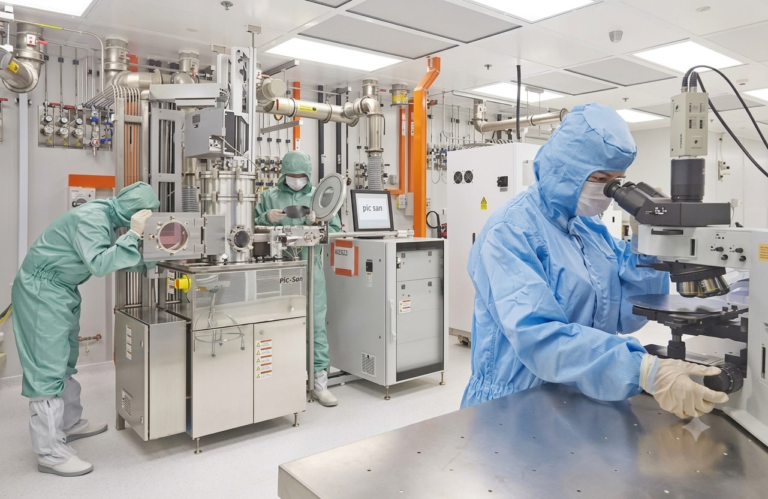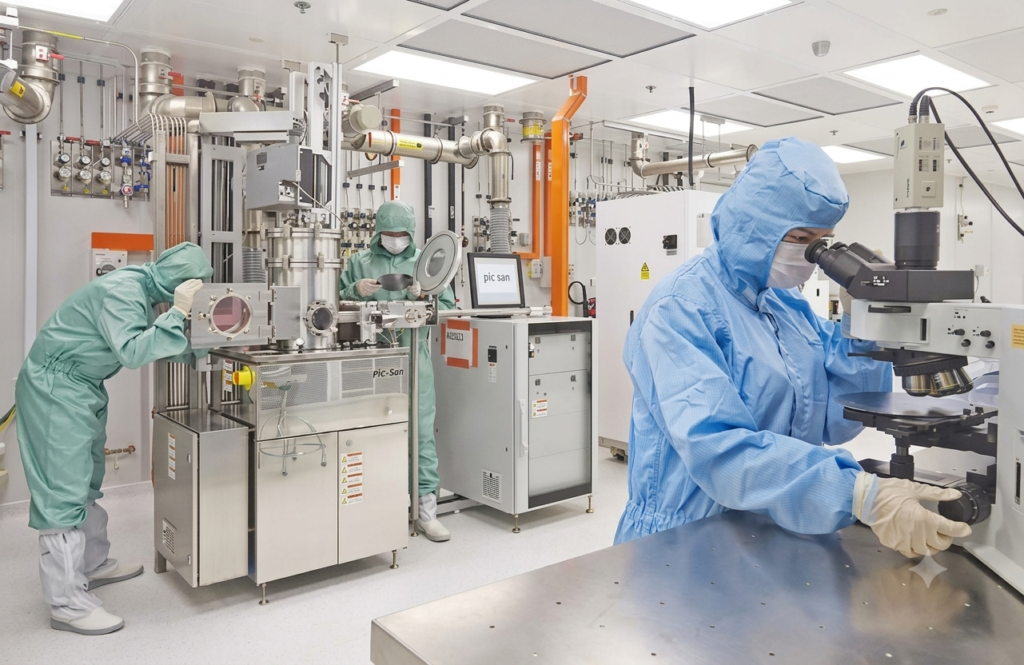
EPCM vs Turnkey for Chemical Plants: Which Model Works Best?
Setting up a chemical plant is not a simple construction job. It involves process engineering, safety systems, utilities, automation, workflow planning, and strict compliance standards. One wrong decision in the early stage can affect production efficiency for years.
This is why choosing the right project execution model becomes very important. Most companies today compare two approaches: EPCM and turnkey. Both are widely used in industrial projects, but they work in very different ways.
In this blog, we’ll break down EPCM vs turnkey in a simple way so you can understand which model is more suitable for chemical plant projects.
Understanding EPCM and Turnkey Models in Chemical Plant Projects
EPCM stands for Engineering, Procurement, and Construction Management. In this model, the consultant does not directly build the plant. Instead, they manage the entire project and coordinate all contractors, vendors, and engineering teams.
A professional EPCM Consultant typically handles:
- Engineering planning and design coordination
- Procurement and vendor selection support
- Budget tracking and cost control
- Construction supervision and monitoring
- Technical coordination between teams
- Project execution management
On the other side, a Turnkey Project Consultant takes full responsibility for delivering a complete ready-to-use plant. The contractor handles design, procurement, construction, and commissioning under one contract.
In simple terms:
- EPCM = client has more control and flexibility
- Turnkey = contractor handles everything end-to-end
How EPCM Project Execution Works in Chemical Plant Construction
In turnkey EPCM solutions, EPCM gives companies more involvement in decision-making. The consultant acts as a coordinator between different vendors, engineers, and contractors instead of doing everything in-house.
This becomes especially useful in chemical plants where multiple systems must work together smoothly, such as:
- Process units
- Utility systems
- HVAC and ventilation
- Safety systems
- Storage and handling systems
An experienced Engineering Consultant ensures that each system is properly aligned with the overall plant design and production goals.
One of the biggest advantages of EPCM is flexibility. If a company wants to change a vendor, upgrade equipment, or adjust design during execution, it is much easier compared to turnkey models.
This approach is often preferred in complex industrial projects where customization is important.
What Does a Turnkey Project Consultant Handle?
A Turnkey Project Consultant manages the entire project from start to finish. The client usually has a single point of contact, which simplifies communication and reduces coordination efforts.
In turnkey execution, the contractor is responsible for:
- Complete plant design
- Procurement of materials and equipment
- Construction and installation
- Utility setup and integration
- Testing and commissioning
- Final handover of the facility
This model works well when companies want a hassle-free approach with less internal coordination.
Many small and medium industrial setups prefer turnkey because it reduces the need for multiple vendors and technical discussions. However, it also means the client has less control over individual project decisions.
EPCM vs Turnkey for Chemical Plants: Key Differences Explained
When comparing both models, the main difference is control versus convenience.
In EPCM, the client stays more involved in decision-making. This helps in better customization, vendor flexibility, and cost transparency. It is often used for complex and large-scale chemical facilities.
In turnkey, the contractor manages everything, which makes the process simpler for the client. It is faster in execution but less flexible when it comes to changes during the project.
Many companies choose EPCM when:
- The plant is large or highly technical
- Custom process design is required
- Long-term expansion is planned
- Cost control and transparency are important
Turnkey is preferred when:
- The project is standard in design
- Fast execution is required
- Internal technical team is limited
- Simpler project structure is needed
A professional construction chemical consultant can help businesses evaluate which model fits their project requirements better.
The Role of Plant Engineering, MEP, and Industrial Design in Chemical Facilities
No matter which execution model is chosen, strong engineering support is essential for a chemical plant.
Proper Plant Engineering ensures smooth integration of all systems, including:
- Process flow optimization
- Utility planning
- Equipment layout
- Safety system design
- Maintenance access planning
An Industrial Architect plays an important role in designing safe and efficient plant layouts. Proper zoning, material flow, and space planning directly affect operational performance.
MEP systems are also critical. Many companies search for mep consultants near me because HVAC, electrical systems, plumbing, and utilities must be carefully designed to support continuous industrial operations.
Without proper coordination, chemical plants may face:
- Production delays
- Utility breakdowns
- Safety risks
- High maintenance costs
- Workflow inefficiencies
This is why engineering expertise is essential from the early design stage itself.
Collabtec supports chemical and industrial infrastructure projects with engineering planning, layout design, and project coordination services. With a practical and compliance-focused approach, Collabtec helps companies improve project efficiency and reduce execution risks.
Which Project Model Is Better for Chemical Plant Setup?
There is no single answer that fits every project. The right choice depends on complexity, budget, and long-term business goals.
EPCM is usually better when:
- The plant is complex and customized
- Multiple engineering systems are involved
- Flexibility and control are important
- Long-term scalability is planned
Turnkey works better when:
- The project is straightforward
- Faster delivery is required
- Simpler management is preferred
- Standard design is sufficient
Companies involved in regulated industries often compare chemical plant planning with GMP plant setup in India requirements to ensure compliance is maintained from the design stage itself.
Similarly, businesses exploring industrial infrastructure solutions also study how pharma turnkey project consultants in India manage large-scale compliant facilities using integrated execution models.
Ultimately, the best model is the one that aligns with technical complexity, operational needs, and future expansion plans.
Collabtec works closely with industrial clients to evaluate project requirements and recommend the most practical execution approach based on engineering and compliance needs.
Consult Collabtec for EPCM and Turnkey Chemical Plant Solutions
Both EPCM and turnkey models are widely used in chemical plant projects, but they serve different purposes. EPCM offers more control, flexibility, and transparency, while turnkey provides simplicity and faster execution.
Choosing the right model depends on how complex the plant is, how much control the company wants, and long-term operational goals.
Working with an experienced EPCM Consultant or Turnkey Project Consultant helps ensure better planning, smoother execution, and reduced project risks.
If you are planning a new chemical facility or upgrading an existing plant, Collabtec can help you evaluate the right execution model and guide you through engineering, design, and project management. With practical industry experience, Collabtec supports businesses in building efficient, compliant, and future-ready chemical plants through structured planning and expert coordination.
#Pharma #Engineering #Biopharma #cGMP #GxP #Cleanroom #ProcessEngineering #FacilityDesign
#API #Biologics #SterileManufacturing #Engineering #Manufacturing #IndustrialEngineering #ProjectManagement #Construction #EPCM #LifeSciences #Nutraceuticals #Healthcare
#R&D #QualityControl #labs #warehouse #collabtec