How to Get WHO-GMP Certification for Your Pharmaceutical Manufacturing Plant
Obtaining WHO-GMP certification is an important step for pharmaceutical manufacturers looking to demonstrate that their manufacturing processes, facilities, equipment, and quality systems meet recognized Good Manufacturing Practice standards.
However, certification is not achieved by documentation alone. The manufacturing facility itself must be appropriately planned, designed, equipped, and operated to support WHO-GMP compliance.
For companies planning a new GMP pharmaceutical plant, expanding an existing facility, or preparing for a regulatory inspection, understanding the certification process early can prevent expensive modifications and project delays.
What Is WHO-GMP Certification and Why Does It Matter?
WHO-GMP refers to Good Manufacturing Practices established by the World Health Organization to help ensure that pharmaceutical products are consistently manufactured and controlled according to appropriate quality standards.
For GMP pharmaceutical manufacturing, compliance covers several areas, including:
- Facility design and layout
- Equipment and manufacturing processes
- Personnel and hygiene
- Documentation and SOPs
- Quality control
- Cleaning and contamination control
- Storage and material handling
- Validation and qualification
WHO-GMP certification can strengthen a manufacturer’s credibility, particularly when supplying pharmaceutical products to regulated markets and international customers.
More importantly, GMP principles help create a manufacturing environment where product quality is considered at every stage of production.
What Are the Key Requirements for WHO-GMP Compliance?
Achieving WHO-GMP compliance requires coordination between the facility, people, processes, and quality systems. A pharmaceutical company should consider GMP requirements from the early stages of pharmaceutical plant setup, rather than treating them as a final inspection requirement.
1. Facility Layout and Zoning
The facility should provide appropriate segregation and controlled movement of personnel, materials, products, and waste. The layout should support efficient workflows while minimizing the risk of cross-contamination.
2. Cleanrooms and Environmental Control
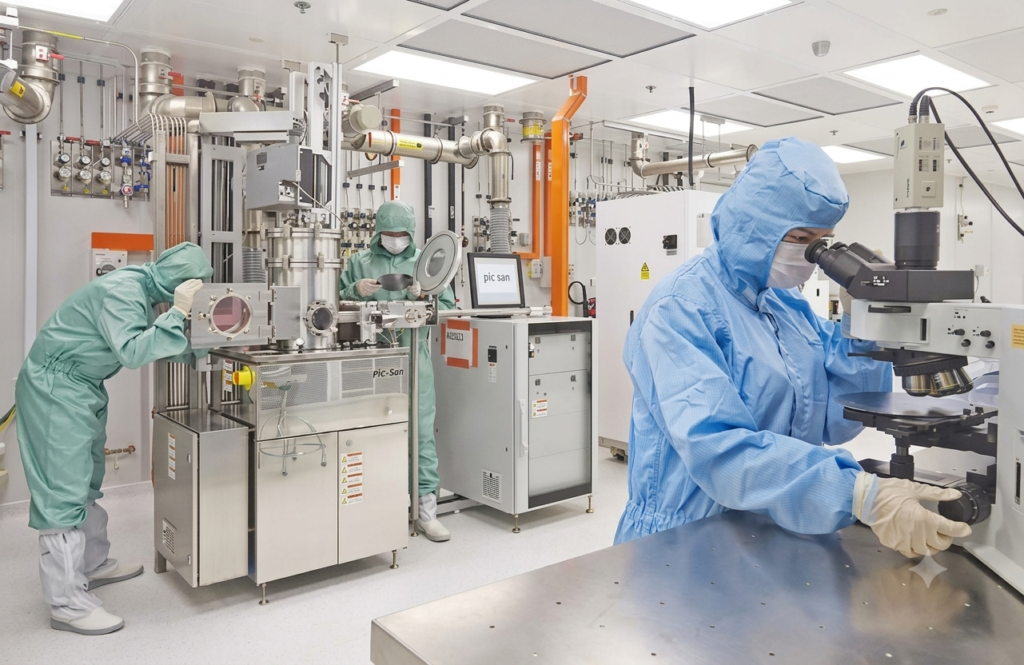
Where controlled environments are required, cleanrooms must be appropriately planned for the manufacturing process. Airflow, temperature, humidity, pressure differentials, cleaning, and personnel movement all need to be considered.
A Clean Room Consultant can help ensure that cleanroom requirements are incorporated into the overall facility design rather than added as an afterthought.
3. Equipment and Utilities
Manufacturing equipment and supporting utilities should be suitable for the intended processes. Depending on the facility, this may include purified water, WFI, compressed air, HVAC, clean steam, electrical systems, and other critical utilities.
4. Documentation and SOPs
GMP relies heavily on controlled documentation. SOPs, records, validation documents, maintenance procedures, cleaning procedures, and quality systems must be properly established and maintained.
5. Validation and Qualification
Critical equipment, systems, and processes may require appropriate qualification and validation to demonstrate that they perform consistently as intended.
What Is the WHO-GMP Certification Process?
The WHO-GMP certification process generally involves preparing the facility and quality systems, undergoing assessment or inspection, addressing observations, and maintaining compliance after certification.
A typical project can be approached through the following stages:
1. GMP Gap Assessment
The existing facility, design, systems, and documentation are reviewed against applicable GMP requirements. This helps identify areas that need improvement.
2. Facility and Documentation Preparation
Necessary facility modifications, engineering systems, procedures, SOPs, and documentation are developed or updated.
3. Implementation and Qualification
The required systems are installed, tested, qualified, and documented. Personnel are also trained on relevant procedures and GMP practices.
4. Inspection or Audit
The facility is assessed to determine whether the manufacturing environment and quality systems meet applicable requirements.
5. Corrective Actions
Any observations identified during the inspection need to be evaluated and addressed through appropriate corrective and preventive actions.
6. Certification and Continued Compliance
Certification is not the end of the process. Pharmaceutical manufacturers must continue monitoring their systems, maintaining documentation, training personnel, and ensuring ongoing GMP compliance.
How Does GMP Facility Design Support Pharmaceutical Plant Setup?
GMP facility design has a direct impact on how effectively a pharmaceutical plant can meet manufacturing and compliance requirements.
A well-planned GMP pharmaceutical plant should consider:
- Production area zoning
- Personnel and material movement
- Contamination and cross-contamination control
- Cleanroom requirements
- Equipment placement
- Storage and warehouse areas
- Laboratory facilities
- Utility distribution
- Waste management
- Maintenance access
- Future expansion
This is where plant engineering becomes particularly important. Engineering decisions made during the design stage influence the facility’s operational efficiency, reliability, maintainability, and ability to meet GMP expectations.
For a new pharmaceutical facility, involving an experienced engineering consultant early in the project can help identify potential design issues before they become expensive construction changes.
Benefits of Hiring a Pharma Plant Setup Consultant
Building a GMP-focused pharmaceutical facility involves multiple technical disciplines and regulatory considerations. Working with Collabtec, an experienced Pharma Plant Setup Consultant can make the process more structured and manageable.
1. Better GMP-Focused Planning
An experienced consultant can incorporate GMP requirements into the facility planning process from the beginning.
2. Reduced Design and Construction Risks
Early identification of layout, utility, cleanroom, and workflow issues can reduce the need for costly modifications later.
3. Improved Coordination
A Pharma Engineering Firm can coordinate architectural planning, engineering requirements, utilities, cleanrooms, and other facility components as one integrated project.
4. Better Project Cost and Timeline Control
Proper planning helps reduce rework, improve procurement decisions, and keep engineering and construction activities aligned.
5. Support for Future Expansion
A pharmaceutical plant should not only meet today’s production requirements. Proper planning can provide flexibility for additional equipment, production capacity, or new product lines in the future.
6. Smoother Regulatory Preparation
A facility designed with GMP requirements in mind is better positioned for inspections, qualification, validation, and ongoing compliance activities.
How Can Collabtec Support Your GMP Pharmaceutical Plant Project?
Planning a GMP-compliant pharmaceutical facility requires a combination of technical expertise, engineering coordination, and practical understanding of manufacturing requirements.
Collabtec supports pharmaceutical businesses with Pharmaceutical plant setup, facility planning, Plant Engineering, cleanroom consultancy, and engineering coordination. Its approach focuses on integrating facility requirements early so that manufacturing areas, utilities, workflows, and supporting infrastructure work together effectively.
As a Pharma engineering firm, Collabtec can assist businesses in translating GMP requirements into practical facility and engineering decisions. This can be particularly valuable for companies developing a new facility, expanding production capacity, or upgrading an existing pharmaceutical manufacturing plant.
From initial planning through engineering and project coordination, the objective is to create facilities that are efficient, scalable, and designed around the manufacturer’s operational requirements.
Plan Your GMP Pharmaceutical Facility with Collabtec
WHO-GMP certification is closely connected to the way a pharmaceutical facility is designed, built, operated, and maintained. Meeting GMP requirements therefore starts well before a regulatory inspection.
For manufacturers planning a new GMP pharmaceutical plant, the right approach is to consider compliance, facility design, engineering, utilities, cleanrooms, documentation, and future expansion from the beginning.
With the support of an experienced Pharma Plant Setup Consultant, businesses can reduce project risks and develop facilities that are better prepared for qualification, validation, inspection, and long-term manufacturing operations.
Collabtec brings together pharmaceutical facility planning, Plant Engineering, cleanroom consultancy, and engineering expertise to help manufacturers move from project requirements to practical, GMP-focused facility solutions.
#Pharma #Engineering #Biopharma #cGMP #GxP #Cleanroom #ProcessEngineering #FacilityDesign
#API #Biologics #SterileManufacturing #Engineering #Manufacturing #IndustrialEngineering #ProjectManagement #Construction #EPCM #LifeSciences #Nutraceuticals #Healthcare
#R&D #QualityControl #labs #warehouse #collabtec