Challenges in Pharmaceutical Plant Setup Across GCC Countries
The GCC pharmaceutical industry is moving toward greater local manufacturing, stronger supply capabilities, and increased investment in healthcare infrastructure. Countries such as Saudi Arabia, the UAE, and Qatar are creating opportunities for pharmaceutical companies looking to establish or expand manufacturing operations in the region.
However, setting up a pharmaceutical facility in the GCC involves much more than selecting a site and constructing a building. Regulatory requirements, climate conditions, utilities, cleanroom systems, equipment procurement, project coordination, and future expansion all need to be considered during the planning stage.
Understanding these challenges early can help manufacturers make better decisions and avoid costly changes later in the project.
Why Is Pharmaceutical Plant Setup in the GCC Becoming More Important?
The pharmaceutical industry in GCC countries is developing as governments and private-sector companies focus on strengthening local healthcare and manufacturing capabilities.
This creates opportunities for companies involved in formulations, APIs, biotechnology, medical products, and other pharmaceutical segments.
For businesses entering the region, however, each project has its own technical and regulatory requirements. A facility designed for one market may not necessarily be suitable for another without appropriate assessment and modifications.
A successful project therefore starts with understanding the local market, manufacturing process, regulatory expectations, infrastructure, and long-term business objectives.
What Are the Major Challenges in Pharmaceutical Plant Setup Across the GCC?
1. Navigating Country-Specific Regulatory Requirements
One of the first challenges is understanding the regulatory framework applicable to the specific GCC market.
While GMP principles provide a common foundation for pharmaceutical manufacturing, companies may still need to address country-specific requirements related to licensing, facility approvals, product registration, inspections, documentation, and other regulatory processes.
These requirements should be considered during the initial design stage.
Waiting until construction is underway to identify regulatory gaps can result in redesign, additional costs, and project delays.
An experienced consultant can help project teams identify applicable requirements early and coordinate them with facility planning and engineering decisions.
2. Designing Facilities for GCC Climate Conditions
The GCC climate presents another important consideration.
High temperatures, humidity in coastal areas, dust, and significant seasonal variations can influence the performance of pharmaceutical facilities. These conditions can have a direct impact on HVAC systems, environmental control, storage areas, building envelopes, and manufacturing spaces.
For example, HVAC systems need to be appropriately designed to maintain the required temperature, humidity, pressure, and air quality within controlled areas.
This makes climate-responsive pharmaceutical facility design particularly important.
At Collabtec, facility planning is approached by considering environmental conditions alongside manufacturing requirements, rather than treating climate control as a separate building service.
3. Managing HVAC, Utilities and Controlled Manufacturing Environments
Pharmaceutical manufacturing depends heavily on reliable utilities and environmental control systems.
Depending on the type of facility, this can include:
- HVAC systems
- Purified water and WFI systems
- Compressed air
- Clean steam
- Electrical infrastructure
- Process gases
- Drainage and waste systems
- Temperature and humidity monitoring
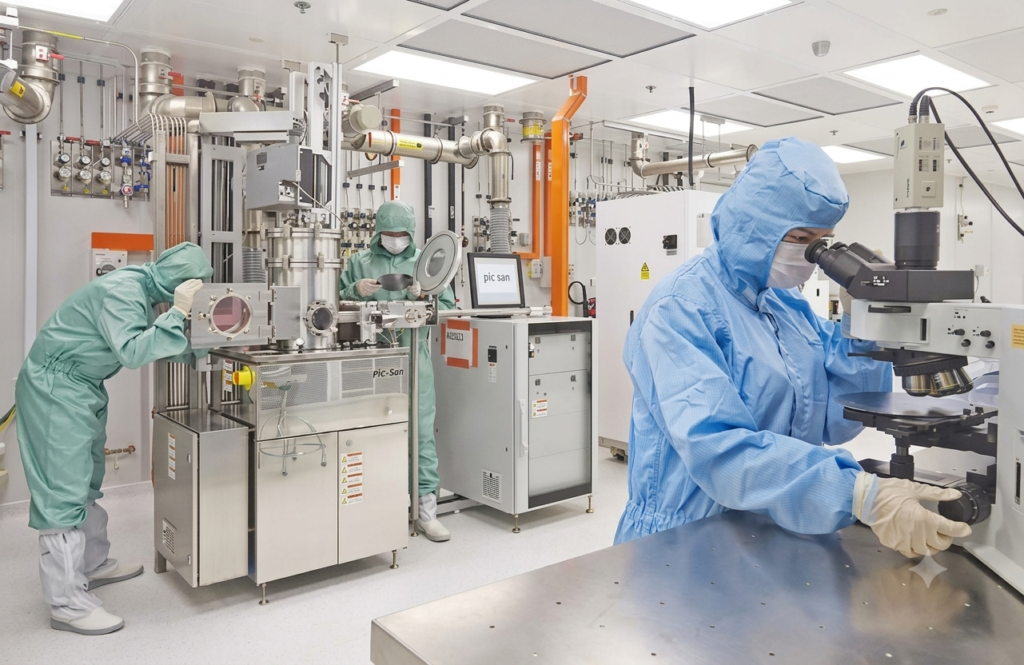
Cleanrooms also require careful planning of airflow, pressure differentials, personnel movement, material movement, cleaning, and contamination control.
These systems need to be coordinated with the production process and facility layout.
Poor utility planning can create operational bottlenecks and expensive modifications later. Early engineering coordination helps ensure that utilities have appropriate capacity and can support future production requirements.
4. Managing Equipment, Materials and Supply Chain Requirements
Pharmaceutical projects often involve specialized manufacturing and laboratory equipment, much of which may need to be sourced internationally.
This introduces additional considerations around:
- Equipment specifications
- Vendor selection
- Lead times
- Import logistics
- Installation requirements
- Utility connections
- Testing and commissioning
- Spare parts and maintenance
Equipment decisions can also influence building dimensions, room layouts, electrical loads, HVAC requirements, and utility demand.
For this reason, equipment planning should be coordinated with architectural and engineering design instead of being handled independently.
Collabtec will help integrate these requirements into the overall project planning process, helping ensure that facility infrastructure is aligned with the intended manufacturing operations.
5. Controlling Project Costs and Timelines
A pharmaceutical facility is a complex project involving multiple disciplines and stakeholders. Architecture, engineering, equipment suppliers, contractors, regulatory teams, and client representatives all need to work toward the same project objectives.
Without proper coordination, even small delays can affect subsequent activities.
For example, delayed equipment specifications can affect engineering drawings. Changes to engineering requirements can affect procurement or construction. Delays in one area can therefore create a chain reaction across the project.
This is why choosing an experienced Pharma Plant Setup Consultant can be valuable. A consultant can help establish project priorities, coordinate technical requirements, identify risks early, and maintain alignment between different project activities.
Country-Specific Considerations for Pharmaceutical Manufacturing in the GCC
Although the GCC represents a connected regional market, pharmaceutical projects still need to account for the requirements of the individual country.
– Pharmaceutical Plant Setup in Saudi Arabia
Saudi Arabia is becoming an important market for pharmaceutical manufacturing and healthcare investment. Companies considering pharmaceutical plant setup in Saudi Arabia need to evaluate local regulatory requirements, industrial infrastructure, utilities, workforce considerations, and long-term production plans.
The facility should also be planned around the specific products and manufacturing processes that will be operated at the site.
– Pharmaceutical Manufacturing in the UAE and Dubai
The UAE offers an established business and healthcare ecosystem, making pharmaceutical manufacturing in UAE an attractive opportunity for companies looking to establish regional operations.
For businesses considering a pharma plant setup in Dubai, location, infrastructure, logistics, regulatory approvals, and access to supporting services should all be evaluated during the feasibility and planning stages.
– Pharmaceutical Manufacturing in Qatar
Companies exploring pharmaceutical manufacturing in Qatar also need to assess local regulatory requirements, available infrastructure, utilities, supply chains, and the intended scale of manufacturing.
The right facility strategy should be developed around both current requirements and the company’s expected growth in the region.
How Can a Pharma Plant Setup Consultant Reduce Project Challenges?
An experienced consultant can help manufacturers manage the technical complexity of a new facility by bringing different project requirements together at an early stage.
This may include:
- Feasibility and project planning
- Facility layout development
- Engineering coordination
- Utility planning
- Cleanroom requirements
- Equipment integration
- Regulatory considerations
- Procurement coordination
- Construction support
- Testing and commissioning
The benefit is not simply having another party involved in the project. The right consultant helps connect decisions that would otherwise be made independently.
For companies undertaking a new pharmaceutical manufacturing facility setup, this integrated approach can reduce rework and improve overall project coordination.
Building a Future-Ready Pharmaceutical Facility in the GCC
A pharmaceutical facility should be designed for more than its immediate production requirements.
Manufacturers may increase capacity, introduce new products, add equipment, or modify processes as their business grows. Infrastructure should therefore provide reasonable flexibility wherever practical.
Future-ready planning can include expandable production areas, adaptable utilities, additional equipment space, flexible laboratories, efficient warehouses, and infrastructure that can accommodate increased demand.
This approach can help businesses avoid major disruptions when expansion becomes necessary.
Plan Your Pharmaceutical Facility Setup in the GCC With Collabtec
Successful pharmaceutical projects depend on making the right decisions before construction begins. Regulatory requirements, climate conditions, utilities, cleanrooms, equipment, workflows, and future expansion all need to be considered as part of one coordinated strategy.
Collabtec supports pharmaceutical businesses with facility planning, engineering, and project coordination for manufacturing projects. By combining technical planning with an understanding of operational requirements, the objective is to create efficient and practical facilities suited to the project’s specific needs.
Whether a company is evaluating pharmaceutical plant setup in GCC, planning a new facility in Saudi Arabia or the UAE, or exploring opportunities in other GCC markets, having the right engineering partner can make the planning and execution process significantly more structured.
The GCC offers strong opportunities for pharmaceutical manufacturing, but successful projects require careful preparation. With early planning, appropriate engineering expertise, and a facility designed around both current and future requirements, manufacturers can build a stronger foundation for long-term operations.
Collabtec can support businesses through this process with integrated engineering and facility planning expertise, helping turn pharmaceutical manufacturing requirements into practical, scalable project solutions.
#Pharma #Engineering #Biopharma #cGMP #GxP #Cleanroom #ProcessEngineering #FacilityDesign
#API #Biologics #SterileManufacturing #Engineering #Manufacturing #IndustrialEngineering #ProjectManagement #Construction #EPCM #LifeSciences #Nutraceuticals #Healthcare
#R&D #QualityControl #labs #warehouse #collabtec