Cleanroom Design for Pharma: Why Consultants Are Critical for GMP Compliance
In pharmaceutical manufacturing, even a small contamination issue can affect product quality, regulatory approvals, and patient safety. That is why cleanrooms have become one of the most important parts of modern pharma facilities.
Today’s pharmaceutical companies are expected to maintain strict hygiene standards, controlled environments, and GMP-compliant production systems. But building a cleanroom is not only about installing panels and HVAC systems. It requires proper planning, airflow design, utility coordination, workflow management, and regulatory understanding.
This is why many companies now work with experienced consultants during cleanroom projects. From engineering and layout planning to validation and compliance support, expert guidance helps avoid costly mistakes later.
In this blog, we’ll understand why cleanroom design matters in pharma manufacturing and why consultants play a major role in achieving GMP compliance.
Why Cleanroom Design Is Critical in Pharmaceutical Manufacturing
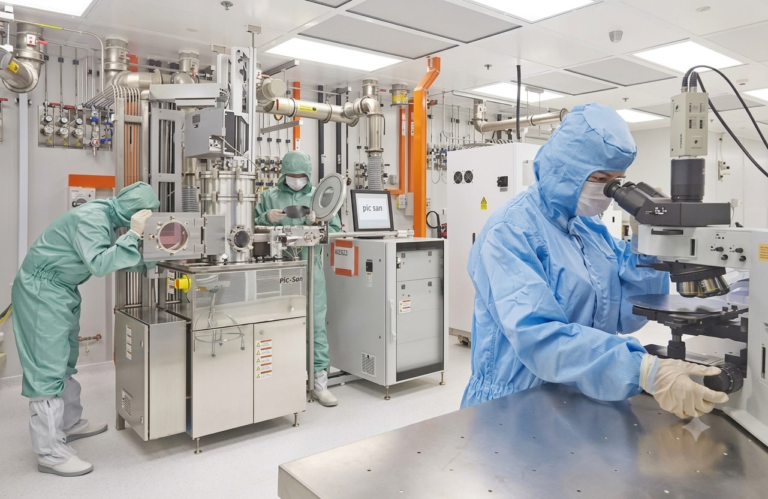
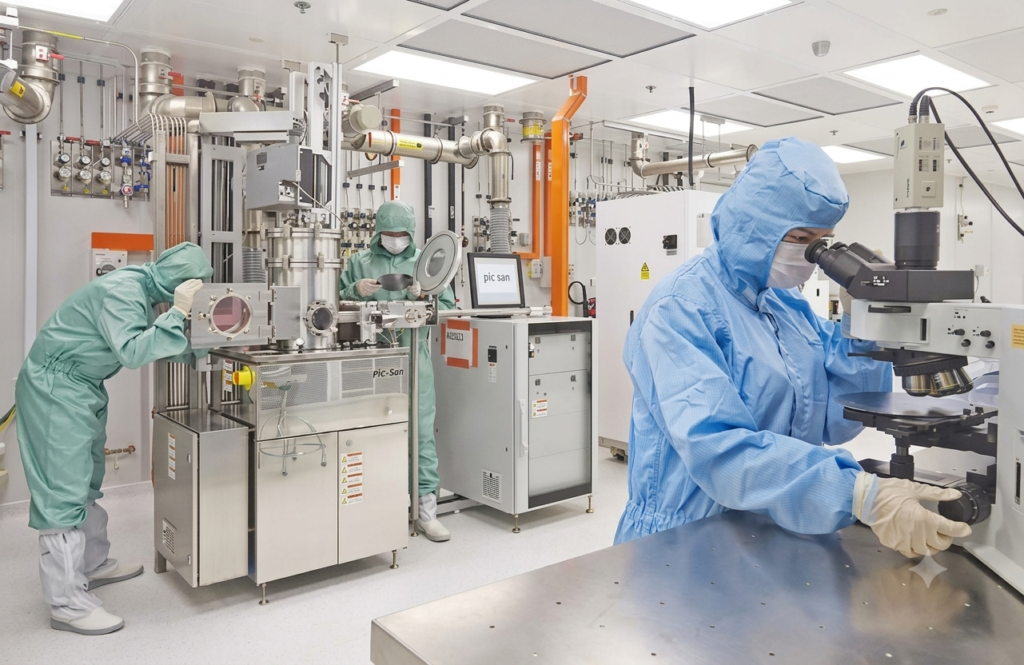
A pharmaceutical cleanroom is a controlled environment where air quality, humidity, pressure, and contamination levels are carefully managed. These environments help protect pharmaceutical products from contamination during manufacturing and packaging processes.
Poor cleanroom planning can create serious operational problems. Issues like incorrect airflow, improper personnel movement, or badly designed utility systems may lead to contamination risks and audit observations.
Modern pharmaceutical facilities also require smooth workflow planning. Materials, equipment, and personnel should move in a way that reduces contamination risks while maintaining operational efficiency.
This is where proper engineering and planning become important. An experienced Engineering Consultant helps businesses create cleanroom environments that support both compliance and daily production needs.
Many pharmaceutical companies today also prefer advanced EPCM GMP cleanroom construction because it improves coordination between engineering, procurement, utilities, and construction teams during project execution.
Understanding GMP Requirements for Pharma Cleanrooms
GMP, or Good Manufacturing Practices, sets the standards pharmaceutical companies must follow to ensure product quality and safety. Cleanrooms are a major part of GMP compliance because they directly affect contamination control.
Some important GMP requirements for pharma cleanrooms include:
- Controlled airflow systems
- HEPA filtration
- Pressure differentials
- Temperature and humidity control
- Proper material and personnel flow
- Validated HVAC systems
- Cleanable surfaces and finishes
Meeting these standards requires more than just construction work. Every detail inside the cleanroom must support safe manufacturing practices.
An experienced Pharma Consultant, like Collabtec helps businesses understand these compliance requirements from the early design stage itself. This reduces the risk of expensive modifications later.
Many companies also struggle with balancing compliance and operational efficiency. Over-designed systems can increase operating costs, while poor planning can affect audits and production quality. Good cleanroom design focuses on both practicality and compliance.
Businesses planning pharmaceutical facilities should also understand GMP expectations properly before starting any infrastructure project.
Why Hiring a Cleanroom Consultant Improves GMP Compliance
Cleanroom projects are far more complex than standard construction projects. Multiple technical systems like HVAC, utilities, electrical systems, cleanroom panels, process piping, and workflow layouts must work together properly to maintain GMP compliance.
Because of this, many pharmaceutical companies prefer hiring specialized consultants instead of relying only on contractors.
Hiring a professional EPCM Consultant for Pharma Projects can help improve GMP compliance through:
- Engineering coordination for smooth project execution
- Compliance planning based on GMP requirements
- Utility integration for reliable cleanroom performance
- Vendor management to maintain quality standards
- Cleanroom execution support during installation and setup
- Construction supervision to reduce project errors
- Validation preparation for regulatory readiness
Without proper planning, businesses may face problems such as:
- Airflow imbalance
- Contamination risks
- Maintenance difficulties
- Workflow bottlenecks
- Utility coordination issues
An experienced MEP consultant also plays an important role in cleanroom performance. HVAC systems, plumbing, electrical planning, and utility coordination directly affect environmental control inside the facility.
Many pharmaceutical companies now prefer structured EPCM project execution because it offers better transparency, technical coordination, and project control during cleanroom construction.
Collabtec supports pharmaceutical companies with cleanroom planning, engineering coordination, and GMP-focused infrastructure solutions. By combining practical engineering with compliance-focused planning, Collabtec helps businesses reduce project risks and improve long-term operational efficiency.
How EPCM GMP Cleanroom Construction Supports Efficient Pharma Operations
Pharmaceutical cleanrooms are not standalone spaces. They are part of a larger manufacturing ecosystem that includes utilities, labs, production areas, warehouses, and quality systems.
This is why EPCM-based project execution has become more common in pharmaceutical infrastructure projects.
With proper EPCM GMP cleanroom construction, businesses can improve:
- Project coordination
- Construction quality
- Utility integration
- Compliance readiness
- Workflow efficiency
- Long-term maintainability
Unlike traditional execution models, EPCM allows better coordination between technical teams while giving companies more flexibility during the project lifecycle.
Many businesses also compare EPCM with turnkey execution before selecting the right project model. In fact, choosing between an EPCM approach and a Turnkey Project Consultant model depends on project size, customization needs, and operational goals.
Cleanroom projects especially benefit from strong engineering coordination because even small design errors can create operational challenges later.
Businesses planning pharmaceutical infrastructure should also understand what EPCM is and how it differs from other project execution models before starting a cleanroom project.
The Role of Plant Engineering, MEP, and Lab Design in Cleanroom Planning
A cleanroom cannot function properly without good engineering support behind it. Utility systems, process workflows, HVAC planning, and maintenance access all affect daily operations.
Strong Plant Engineering improves:
- Airflow management
- Utility performance
- Equipment integration
- Maintenance efficiency
- Energy optimization
- Production reliability
Similarly, a skilled Lab architect and warehouse design consultant helps plan laboratory spaces in a way that supports safety, workflow efficiency, and contamination control.
Pharmaceutical projects also require close coordination between civil work, utilities, process systems, and cleanroom infrastructure. A trusted Pharma engineering firm helps ensure that all these systems work together properly.
Without proper engineering coordination, businesses often face problems like utility failures, workflow confusion, poor space utilization, and higher maintenance costs later. These issues may not appear immediately during construction, but they can affect daily operations and GMP compliance once production starts.
That is why modern pharmaceutical facilities require experienced engineering support from the beginning of the project itself. A well-planned cleanroom not only supports compliance but also improves operational efficiency and long-term reliability.
Collabtec works with pharmaceutical companies to create cleanroom environments that balance compliance, performance, and practical workflow requirements. By combining engineering expertise with GMP-focused planning, Collabtec helps businesses build pharmaceutical facilities designed for smooth and efficient operations.
Choosing the Right Pharma Engineering Firm for Cleanroom Projects
Selecting the right consultant or engineering partner is one of the most important decisions during a pharmaceutical infrastructure project. Cleanroom facilities require technical expertise, compliance understanding, and proper execution planning.
Before choosing a consultant, businesses should evaluate:
- Pharmaceutical industry experience
- GMP and cleanroom expertise
- Engineering and utility planning capabilities
- Validation support
- Project coordination experience
- Understanding of workflow optimization
An experienced Engineering Consultant understands not only regulatory requirements but also the practical challenges companies may face after production starts.
Whether it is a greenfield manufacturing plant, laboratory expansion, or cleanroom upgrade project, proper planning always helps improve long-term operational performance.
Conclusion
Cleanroom design plays a major role in pharmaceutical manufacturing quality, safety, and compliance. From airflow systems and utilities to workflow planning and contamination control, every detail affects overall plant performance.
Working with an experienced EPCM Consultant helps pharmaceutical companies manage cleanroom projects more efficiently while improving compliance readiness and operational reliability.
As pharmaceutical standards continue to evolve, businesses need infrastructure that supports both current production requirements and future expansion goals. With proper planning, engineering coordination, and compliance-focused execution, Collabtec helps pharma companies build cleanroom facilities designed for long-term performance and GMP compliance.
#Pharma #Engineering #Biopharma #cGMP #GxP #Cleanroom #ProcessEngineering #FacilityDesign
#API #Biologics #SterileManufacturing #Engineering #Manufacturing #IndustrialEngineering #ProjectManagement #Construction #EPCM #LifeSciences #Nutraceuticals #Healthcare
#R&D #QualityControl #labs #warehouse #collabtec