Sustainable Manufacturing Facility Design for the Clean Technology Industry
The rapid growth of the clean technology sector is transforming how modern manufacturing facilities are designed and built. Industries such as renewable energy, advanced materials, life sciences, and battery technology require production environments that prioritize efficiency, environmental responsibility, and long-term operational flexibility.
Sustainable manufacturing facility design focuses on reducing energy consumption, optimizing resource utilization, and creating infrastructure that supports future technological advancements. Instead of traditional factory models, organizations are adopting smarter facility planning strategies that combine architecture, engineering, and environmental performance.
To achieve this, companies often collaborate with experienced engineering consultants and plant engineering specialists who understand the complex requirements of modern industrial infrastructure. Firms like Collabtec help businesses design and develop high-performance manufacturing environments that support both productivity and sustainability goals.
The Role of Sustainable Facility Design in Clean Technology Manufacturing
Clean technology manufacturing requires highly controlled, efficient, and adaptable facilities. Sustainable facility design ensures that production environments minimize environmental impact while maintaining operational reliability.
A well-designed manufacturing facility considers multiple factors, including energy efficiency, optimized production layouts, responsible material selection, and intelligent utility infrastructure. These elements help reduce operating costs while supporting sustainable industrial practices.
For industries such as pharmaceuticals & biotechnology, chemical or cleantech, and electronics manufacturing, facility design also plays a role in regulatory compliance. Manufacturing environments must meet strict standards related to safety, environmental impact, and product quality.
This is where experienced plant setup consultants and industrial architects become essential. By carefully planning building layouts, utilities, and workflow processes, they ensure that manufacturing facilities support both operational efficiency and environmental responsibility.
Collabtec works with organizations across multiple sectors to develop facility strategies that balance sustainability with long-term industrial performance.
Core Design Strategies for Sustainable Clean Technology Facilities
Designing a sustainable manufacturing plant involves a combination of architectural planning, engineering expertise, and advanced infrastructure design. Several key strategies are commonly used to create efficient and environmentally responsible facilities.
One of the most important strategies is energy-efficient infrastructure design. High-performance insulation, smart lighting systems, and advanced HVAC technologies significantly reduce energy consumption while maintaining the environmental conditions required for production.
Another critical aspect is integrated plant engineering. Efficient production layouts reduce unnecessary movement of materials and equipment within the facility. This improves productivity while lowering energy usage associated with internal logistics.
Water management and waste reduction are also essential components of sustainable manufacturing. Recycling systems, efficient water treatment infrastructure, and responsible waste management practices help minimize environmental impact.
Digital monitoring technologies are increasingly used as well. Smart sensors and energy monitoring platforms allow facility managers to track resource usage and identify opportunities for efficiency improvements.
Through careful planning and collaboration with experienced engineering consultants and plant engineering experts, organizations can implement these strategies effectively and create manufacturing facilities that support sustainable growth.
Role of an EPCM Consultant in Designing Sustainable Manufacturing Facilities
Developing a modern manufacturing facility requires coordination between multiple engineering disciplines, contractors, and technology providers. Managing this complexity is one of the primary responsibilities of an EPCM consultant.
EPCM stands for Engineering, Procurement, and Construction Management. An EPCM consultant oversees the entire project lifecycle, ensuring that facility design, equipment procurement, and construction activities align with the project’s technical and sustainability objectives.
During the design phase, EPCM professionals evaluate engineering requirements, infrastructure needs, and sustainability targets. They work closely with architects, plant engineers, and contractors to develop solutions that improve efficiency and reduce long-term operating costs.
Procurement management is another important responsibility. Selecting energy-efficient equipment, sustainable construction materials, and reliable technology systems plays a key role in achieving environmental performance goals.
Organizations such as Collabtec provide integrated EPCM consulting services that help businesses navigate the complexities of industrial facility development. By combining project management expertise with technical engineering knowledge, Collabtec supports companies in delivering manufacturing projects efficiently while incorporating sustainable design principles.
Working with an experienced EPCM or turnkey project consultant can significantly reduce project risks while ensuring that sustainability considerations are integrated throughout the facility development process.
Industrial Architect and MEP Consultant Approaches to Green Factory Design
Architectural and infrastructure planning are critical components of sustainable manufacturing facilities. Industrial architects and MEP consultants collaborate to design factories that are energy efficient, functional, and adaptable to future operational requirements.
Industrial architects focus on optimizing building layouts, maximizing natural light, and designing structures that support efficient workflow. Proper building orientation and strategic placement of windows or skylights can reduce the need for artificial lighting while improving workplace conditions.
Meanwhile, MEP consultants design the systems that power and support the facility. These include electrical distribution networks, HVAC systems, water supply, plumbing infrastructure, and process utilities required for manufacturing operations.
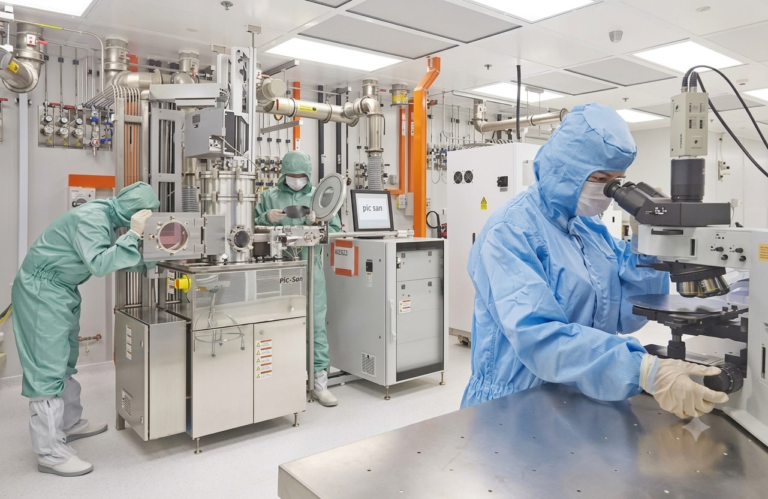
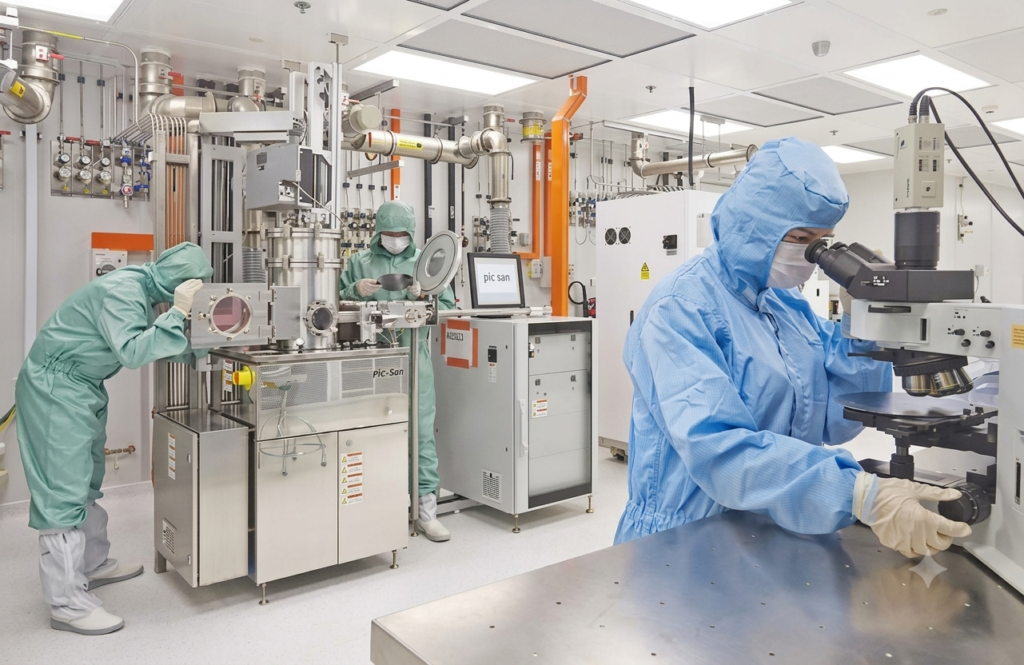
In industries that require highly controlled environments, specialized expertise is also necessary. Facilities involved in pharmaceuticals, biotechnology, and electronics manufacturing may require support from a clean room consultant or a lab design consultant to ensure proper contamination control and regulatory compliance.
Organizations like Collabtec bring together multidisciplinary expertise including industrial architects, MEP consultants, and laboratory design specialists to deliver integrated facility solutions for complex manufacturing environments.
Benefits of Sustainable Facility Design for Modern Manufacturing Plants
Adopting sustainable design principles provides significant advantages for organizations operating modern manufacturing facilities.
Key benefits include:
- Reduced operating costs through energy-efficient systems, optimized utilities, and improved resource management.
- Improved regulatory compliance by meeting environmental and sustainability standards required across many industries.
- Enhanced operational efficiency through better facility layouts, streamlined workflows, and intelligent infrastructure design.
- Lower environmental impact due to reduced energy consumption, responsible material usage, and effective waste management practices.
- Stronger brand reputation and ESG alignment, which is increasingly important for investors, partners, and regulatory bodies.
- Future-ready infrastructure that allows facilities to scale and adapt as manufacturing technologies evolve.
With support from experienced engineering consultants and warehouse planning specialists, organizations can design facilities that maximize these advantages while ensuring long-term operational success.
Partner with Collabtec for Sustainable Manufacturing Facility Development
Designing and developing a sustainable manufacturing facility requires expertise across architecture, engineering, project management, and industrial infrastructure planning.
Collabtec provides comprehensive consulting services that support facility development from concept to completion. As an experienced engineering consultant and EPCM consultant, the company helps organizations design manufacturing environments that balance operational performance with sustainability goals.
Collabtec works with organizations across diverse industries including pharmaceuticals, life sciences, biotechnology, advanced manufacturing, clean technology, laboratories, and industrial warehousing.
Their team includes specialists in plant engineering, industrial architecture, MEP consulting, clean room design, laboratory planning, and warehouse planning, among other various expert services for your facility development.
By combining multidisciplinary expertise with a collaborative approach, Collabtec helps companies create efficient and future-ready manufacturing facilities.
Whether planning a new facility or upgrading existing infrastructure, partnering with Collabtec ensures that industrial projects are delivered with the highest standards of engineering excellence and sustainable design.
#Pharma #Engineering #Biopharma #cGMP #GxP #Cleanroom #ProcessEngineering #FacilityDesign
#API #Biologics #SterileManufacturing #Engineering #Manufacturing #IndustrialEngineering #ProjectManagement #Construction #EPCM #LifeSciences #Nutraceuticals #Healthcare
#R&D #QualityControl #labs #warehouse #collabtec