Top 10 Questions to Ask Before Choosing Your Pharma Project Delivery Model
When companies start planning a pharmaceutical facility, most conversations revolve around production capacity, equipment, and regulatory approvals. Those things are obviously important, but there’s another decision that often gets less attention in the early stage, the project delivery model.
In simple terms, the delivery model decides how the project will actually be executed. Who will design the plant? Who manages procurement? Who coordinates contractors during construction?
For pharmaceutical projects, this choice can have a big impact on timelines, costs, and even regulatory compliance later on.
That’s why many companies prefer to work with an experienced pharma plant setup consultant or engineering consultant before finalizing the approach. Getting this decision right early often saves a lot of trouble later.
Before choosing a delivery model, it helps to ask a few practical questions.
What is a Pharma Project Delivery Model?
A pharma project delivery model is simply the framework used to plan and execute a pharmaceutical facility project.
It defines how responsibilities are shared between the client, engineering teams, contractors, and suppliers.
For example, in some projects a single contractor handles everything, design, procurement, and construction. In other cases, the client works with an EPCM consultant who manages engineering and construction supervision while multiple contractors handle the work.
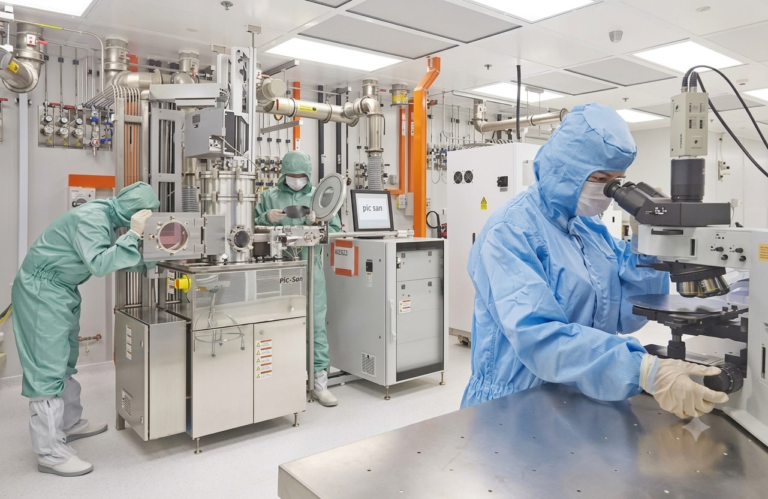
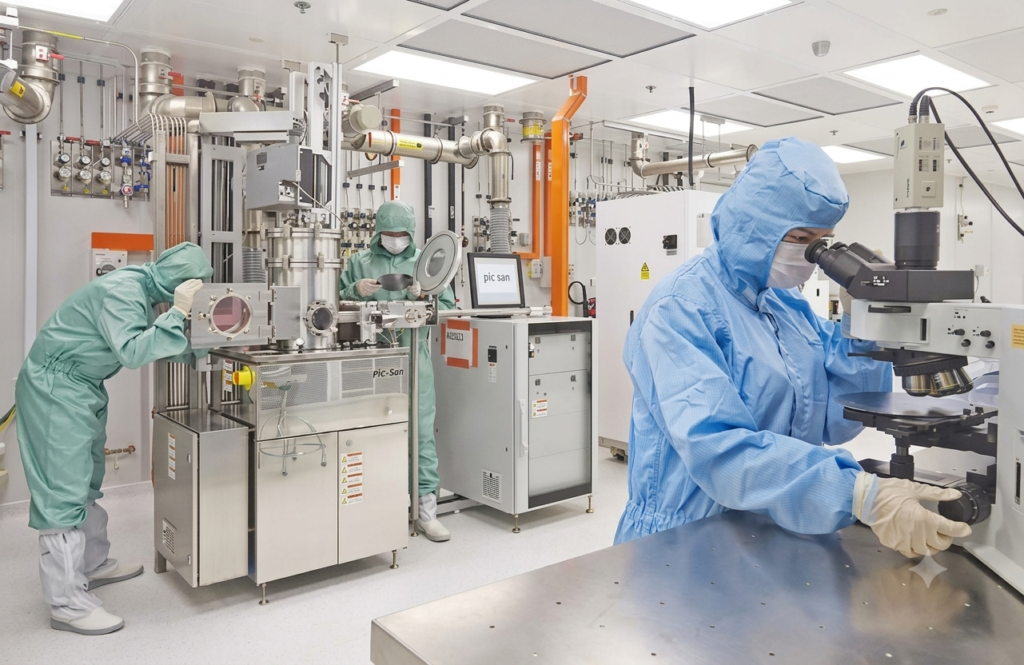
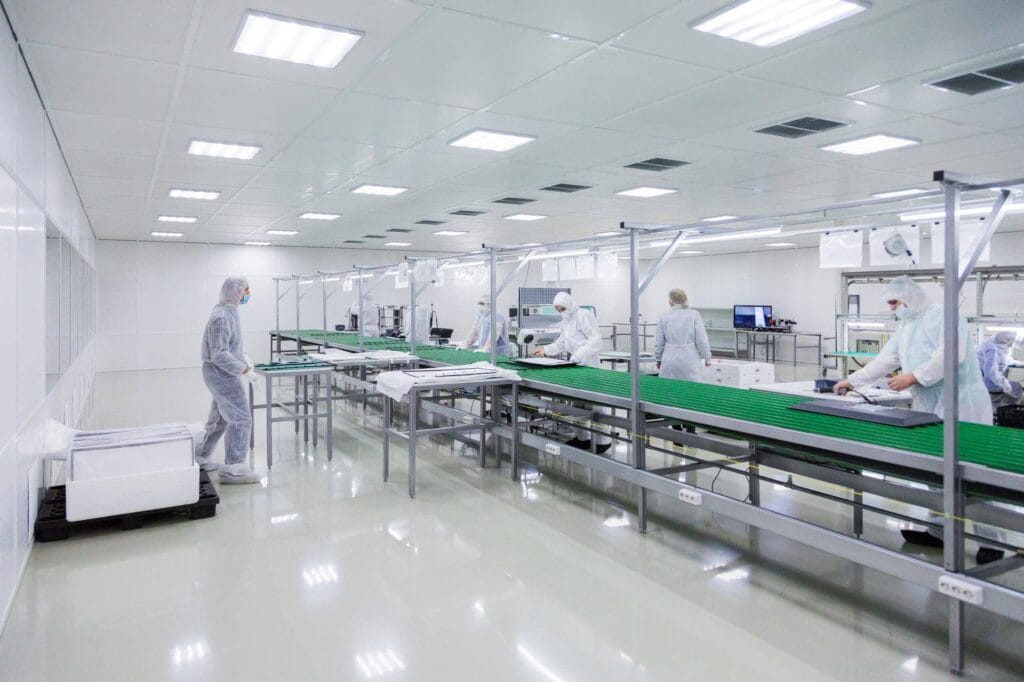
Pharmaceutical facilities are rarely simple buildings. They usually involve cleanrooms, laboratories, specialized utilities, HVAC systems, and controlled production areas. Because of this complexity, companies often work with specialists such as clean room consultants, lab design consultants, industrial architects, and MEP consultants.
Engineering firms like Collabtec help companies structure these projects properly so that design, procurement, and construction stay aligned with regulatory and operational needs.
Which Project Delivery Model Works Best for Pharma Plant Setup?
There isn’t a universal answer here. The right model depends on the size of the facility, the complexity of the process, and how much control the company wants during the project.
One common option is the EPC model. In this setup, one contractor takes responsibility for engineering, procurement, and construction. From the client’s perspective, it can feel simpler because there’s only one main contract to manage.
Another widely used approach is EPCM. Here, an EPCM consultant manages the engineering design, procurement coordination, and construction supervision, while different contractors execute the work.
Some companies also choose a turnkey model, where the contractor delivers a fully operational facility ready for production.
For projects involving specialized infrastructure, especially pharmaceutical plants, laboratories, and cleanroom environments, EPCM is often preferred. It allows companies to bring in experts such as plant engineering consultants, clean room specialists, and lab architects when needed.
Firms like Collabtec frequently help organizations evaluate these options before construction begins.
10 Questions to Ask Before Choosing Your Pharma Project Delivery Model
Before locking in a project structure, it’s worth stepping back and looking at the bigger picture. These questions usually help clarify which approach will work best.
- What is the main goal of the project?
Some companies prioritize speed, while others focus more on cost control or long-term flexibility. - How complex will the facility be?
Projects involving multiple production lines, laboratories, or cleanrooms usually require more engineering coordination. - How much control does the company want during execution?
Some delivery models allow direct involvement in vendor selection and procurement decisions. - Does the project require specialized infrastructure?
Cleanrooms, research labs, and controlled environments often require experienced clean room consultants and lab design consultants. - Who will manage procurement?
Equipment and supplier selection can significantly affect both timelines and budgets. - How will plant utilities be designed and integrated?
HVAC, process utilities, electrical systems, and automation all need to work together - Does the engineering partner have pharma industry experience?
Pharmaceutical facilities follow strict regulatory guidelines, so industry knowledge matters. - How will the construction process be supervised?
Proper oversight helps ensure the project stays aligned with the design. - How will costs and timelines be tracked?
Clear project management processes reduce surprises later. - Can the consultant support the project through commissioning
Working with a partner who stays involved until completion often makes the process smoother.
Why Choosing the Right Pharma Project Delivery Model Matters
The delivery model chosen at the start influences almost every stage of the project.
When responsibilities are clearly defined, coordination between architects, engineers, contractors, and suppliers becomes much easier. That alone can reduce delays.
In pharmaceutical projects, compliance is another major factor. Cleanroom layouts, production workflows, and environmental controls must all meet strict regulatory expectations.
When the right engineering expertise is involved early, these requirements are easier to address.
Experienced plant setup consultants, industrial architects, and MEP consultants often help identify potential design issues before construction even begins.
Companies like Collabtec regularly support organizations through this planning phase, helping them structure projects in a way that balances engineering requirements, budgets, and timelines.
Benefits of Choosing the Right Project Delivery Approach
A well-chosen delivery model usually brings a few clear advantages.
First, project coordination improves. Everyone involved understands their role, which reduces confusion during execution.
Second, companies gain better visibility over costs and procurement decisions.
Third, it becomes easier to bring in specialized expertise. Pharmaceutical facilities often require collaboration between plant engineering experts, clean room consultants, warehouse planning specialists, and lab design consultants.
Finally, the right approach gives companies flexibility. As project requirements evolve, adjustments can be made without disrupting the entire process.
Partner with Collabtec for Reliable Pharma Project Engineering and Execution
Planning a pharmaceutical facility is a complex process. Engineering design, procurement planning, and construction activities all need to work together.
Choosing the right delivery model is one of the first steps in making that happen.
With experience in pharma plant engineering, EPCM consulting, and industrial facility development, Collabtec works with organizations to plan and execute infrastructure projects across sectors like pharmaceuticals, chemicals, cleantech, and manufacturing.
For companies planning a new plant, laboratory, or industrial facility, working with an experienced pharma engineering firm and EPCM consultant can make the entire process far more manageable.
#Pharma #Engineering #Biopharma #cGMP #GxP #Cleanroom #ProcessEngineering #FacilityDesign
#API #Biologics #SterileManufacturing #Engineering #Manufacturing #IndustrialEngineering #ProjectManagement #Construction #EPCM #LifeSciences #Nutraceuticals #Healthcare
#R&D #QualityControl #labs #warehouse #collabtec