Why Hire an EPCM Consultant for Pharma Projects? Benefits & Process Explained
The pharmaceutical industry is becoming more advanced every year. Modern manufacturing plants now require cleanrooms, utility systems, automation, strict GMP compliance, and carefully planned workflows. Because of this, pharma companies are paying more attention to project planning and execution than ever before.
Building or upgrading a pharmaceutical facility is not just a construction project. It involves engineering, compliance, validation, process planning, HVAC systems, utilities, and coordination between multiple teams. This is why many businesses now prefer working with an experienced EPCM Consultant for pharmaceutical projects.
An EPCM approach helps companies manage projects in a more organized and flexible way while improving quality and operational efficiency. In this blog, we’ll understand how EPCM works, its benefits, and why it has become a preferred project model in pharmaceutical manufacturing.
What Does an EPCM Consultant Do in Pharmaceutical Projects?
EPCM stands for Engineering, Procurement, and Construction Management. In this model, the consultant manages the entire project while coordinating different contractors, suppliers, and technical teams.
An experienced Engineering Consultant helps pharma companies with:
- Facility planning
- Engineering coordination
- Vendor management
- Budget monitoring
- Compliance planning
- Construction supervision
- Validation support
Unlike traditional construction models, EPCM gives companies better visibility and control during project execution. This becomes especially important in pharmaceutical projects where cleanroom standards, workflow planning, and utilities must meet strict GMP requirements.
A professional Pharma Consultant also ensures that every stage of the project supports future production goals and regulatory expectations. Businesses should also understand What Is EPCM & How Is It Different From Other Models? before choosing the right project execution approach for their pharmaceutical facility.
Why Pharma Companies Prefer EPCM Project Execution for Modern Manufacturing Facilities
Pharmaceutical manufacturing projects involve multiple systems working together. HVAC, purified water systems, electrical systems, automation, process piping, and cleanrooms all need proper coordination.
This is one of the biggest reasons why companies now prefer EPCM project execution over conventional project approaches.
With EPCM, businesses get:
- Better project transparency
- Flexible vendor selection
- Improved budget control
- Faster problem-solving
- Easier project monitoring
- Better coordination between teams
In many traditional models, companies depend completely on one contractor. But with EPCM, the consultant manages the project while the company still maintains greater control over decision-making.
For pharmaceutical businesses planning long-term manufacturing infrastructure, this flexibility becomes extremely useful.
Many companies also compare EPCM with turnkey execution before starting a project. In fact, EPCM vs turnkey has become one of the biggest discussions in pharmaceutical infrastructure planning today.
Key Benefits of Hiring an EPCM Consultant for Pharma Plant Setup
Hiring an experienced EPCM Consultant can reduce many common project challenges. Pharmaceutical facilities require technical accuracy because even small mistakes in design or utilities can affect production quality later.
Some major benefits of EPCM support include:
– Better Compliance Planning
Pharmaceutical facilities must follow GMP and regulatory guidelines from the early design stage itself. EPCM teams help ensure that layouts, cleanrooms, utilities, and workflows are aligned with compliance standards.
– Improved Cost Control
Project delays and redesign work can increase costs quickly. EPCM consultants help manage timelines, procurement, and contractor coordination more efficiently.
– Technical Coordination
A pharmaceutical plant includes multiple engineering systems working together. Strong coordination between civil, HVAC, electrical, and process engineering teams helps avoid operational issues later.
– Scalability for Future Expansion
Modern pharma facilities are often planned for future expansion. EPCM planning allows companies to scale production more smoothly in the future.
Collabtec works closely with pharmaceutical companies to simplify complex infrastructure projects through structured planning and engineering coordination. By focusing on compliance and operational efficiency, Collabtec helps businesses reduce project risks and improve execution quality.
You can also explore our guide on how to choose your pharma project delivery model.
How EPCM GMP Cleanroom Construction Improves Compliance and Efficiency
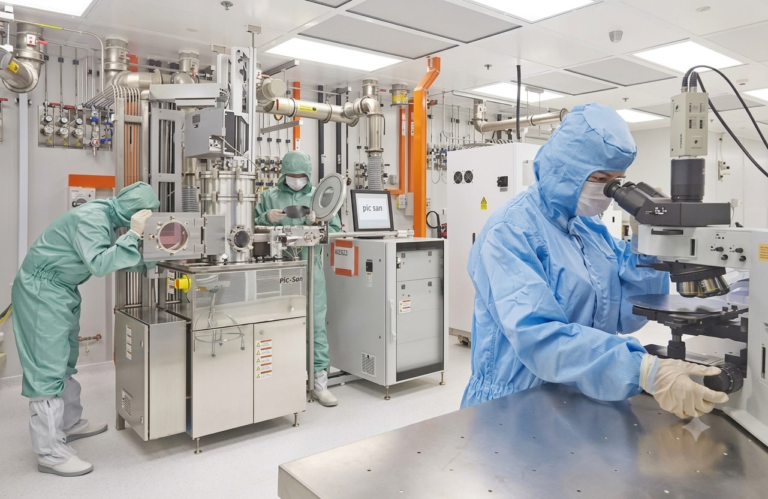
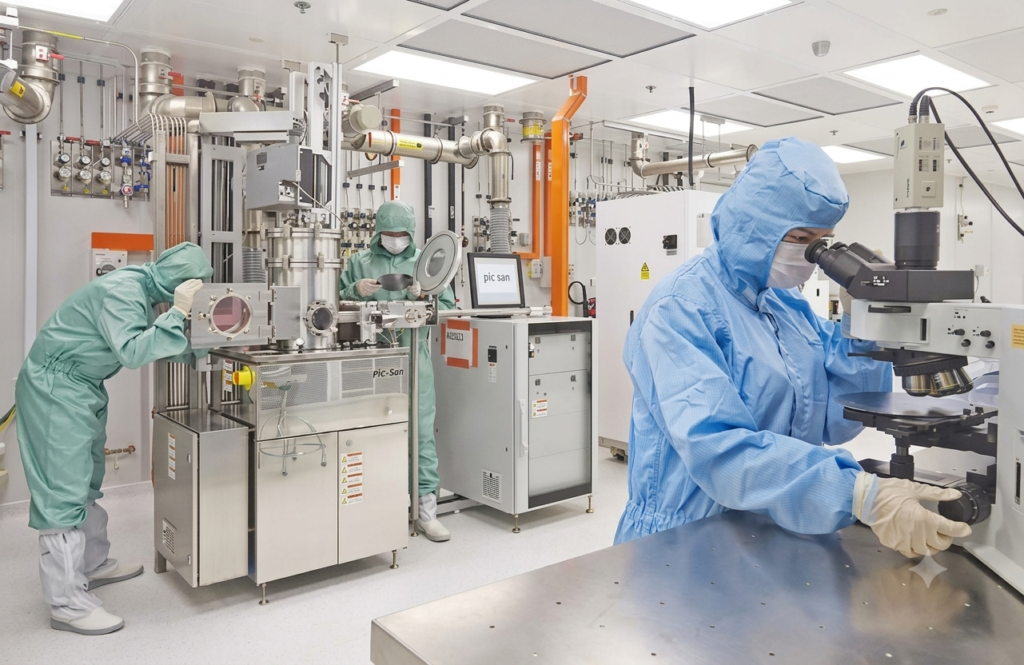
Cleanrooms are one of the most critical parts of pharmaceutical manufacturing facilities. Poor cleanroom planning can lead to contamination risks, workflow problems, and regulatory observations.
This is where proper EPCM gmp cleanroom construction becomes important.
EPCM teams help coordinate:
- HVAC systems
- Pressure differentials
- Air filtration systems
- Material movement
- Personnel flow
- Temperature and humidity controls
Every cleanroom area must support both compliance and practical day-to-day operations. Even small layout errors can create operational inefficiencies later.
An experienced MEP consultant also plays an important role during cleanroom projects by coordinating electrical systems, plumbing, utilities, and HVAC infrastructure.
Today, pharmaceutical businesses are focusing more on energy-efficient cleanroom systems that improve both compliance and operational reliability.
The Role of Plant Engineering, MEP, and Lab Design in EPCM Projects
Good infrastructure planning is not only about construction. The real focus should be on how the facility performs after operations begin.
Strong Plant Engineering improves:
- Production flow
- Utility efficiency
- Equipment performance
- Maintenance access
- Worker safety
- Long-term operational reliability
An experienced Lab design consultant helps create practical layouts for testing labs, R&D spaces, and quality control areas. Proper workflow planning reduces confusion and improves productivity.
Similarly, MEP planning is extremely important in pharmaceutical facilities because utilities directly affect manufacturing quality.
Without proper engineering coordination, companies often face:
- Workflow bottlenecks
- Utility failures
- Space utilization problems
- Maintenance difficulties
- Compliance risks
This is why modern pharmaceutical projects require specialized engineering expertise from the early planning stage itself.
EPCM vs Turnkey Project Consultant: Which Model Is Better for Pharma Projects?
Both EPCM and turnkey models are commonly used in pharmaceutical projects, but the right choice depends on project goals, budget flexibility, and management preferences.
A Turnkey Project Consultant usually handles the entire project under one contract. This can simplify communication, but companies may have less flexibility in vendor selection and project control.
In EPCM, the consultant manages the project while different contractors and suppliers work under coordinated supervision. This gives businesses greater transparency and customization options.
Many pharmaceutical companies now prefer EPCM for:
- Large-scale manufacturing plants
- Multi-phase expansion projects
- Specialized cleanroom facilities
- Export-focused production units
However, turnkey models may still work well for smaller or faster-execution projects.
Collabtec supports pharmaceutical businesses with project planning, cleanroom coordination, engineering management, and compliance-focused execution solutions. With practical industry experience, Collabtec helps companies choose the right project strategy based on their operational and regulatory goals.
Conclusion
Pharmaceutical manufacturing projects have become more complex than before. From cleanrooms and utilities to GMP compliance and workflow optimization, every detail matters during project execution.
Working with an experienced EPCM Consultant helps pharmaceutical companies improve planning, reduce project risks, and maintain better control throughout the project lifecycle.
Whether it is a new manufacturing facility, cleanroom expansion, or modernization project, EPCM offers flexibility, technical coordination, and long-term operational advantages.
As pharmaceutical infrastructure continues to evolve, businesses need engineering-focused project execution models that support both compliance and future scalability. With structured planning and industry-focused expertise, Collabtec helps pharma companies build facilities designed for performance, efficiency, and long-term growth.
#Pharma #Engineering #Biopharma #cGMP #GxP #Cleanroom #ProcessEngineering #FacilityDesign
#API #Biologics #SterileManufacturing #Engineering #Manufacturing #IndustrialEngineering #ProjectManagement #Construction #EPCM #LifeSciences #Nutraceuticals #Healthcare
#R&D #QualityControl #labs #warehouse #collabtec