GMP Facility Design Checklist by Pharma Plant Setup Consultant
Designing a pharmaceutical manufacturing facility is a long-term engineering decision, not just a construction project. Every layout choice, airflow system, and utility line directly impacts product quality, regulatory compliance, and operational cost.
That is why companies increasingly work with Collabtec, a Pharma plant setup consultant, who translates GMP requirements into practical, buildable facility systems that are efficient today and scalable for tomorrow.
This checklist breaks down the essential elements of GMP facility design based on real-world engineering and execution practices followed in modern pharmaceutical projects.
Why GMP Facility Design Matters in Pharmaceutical Manufacturing
A pharmaceutical facility must operate on one core principle: consistency. Every batch must meet the same quality standards, regardless of scale or production cycle.
A properly planned GMP facility design ensures:
- Controlled production environments
- Reduced contamination risks
- Repeatable manufacturing processes
- Regulatory compliance readiness
- Efficient material and people movement
Unlike general industrial buildings, pharma facilities cannot afford design errors. Even small gaps in planning can lead to audit failures or expensive redesigns later.
This is why a Pharma engineering firm like Collabtec plays a critical role in ensuring compliance is built into the design from the very beginning.
GMP Facility Design Checklist for New Pharmaceutical Plants
Below is a practical checklist used in real pharmaceutical facility planning and execution projects.
1. Facility Layout and Process Flow Planning
The foundation of any GMP facility is its layout. Poor flow design creates inefficiencies, delays, and contamination risks.
A well-designed layout ensures:
- Clear separation of raw material, production, and finished goods areas
- Defined movement paths for personnel and materials
- Reduced cross-contamination risk
- Logical process sequencing
- Future expansion flexibility
This is where Plant Engineering becomes critical. Collabtec focuses on designing facilities as controlled flow systems, not just physical spaces.
A good Pharma plant setup consultant also evaluates future production changes so the layout does not become a limitation when scaling operations.
2. Clean Room Design and Contamination Control
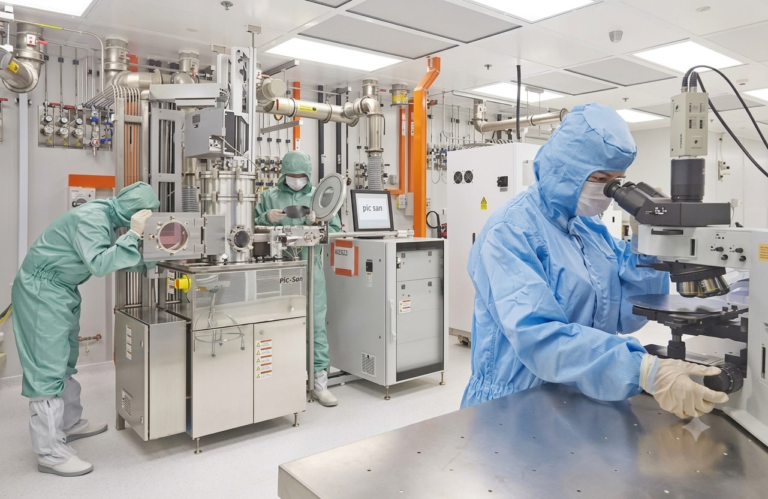
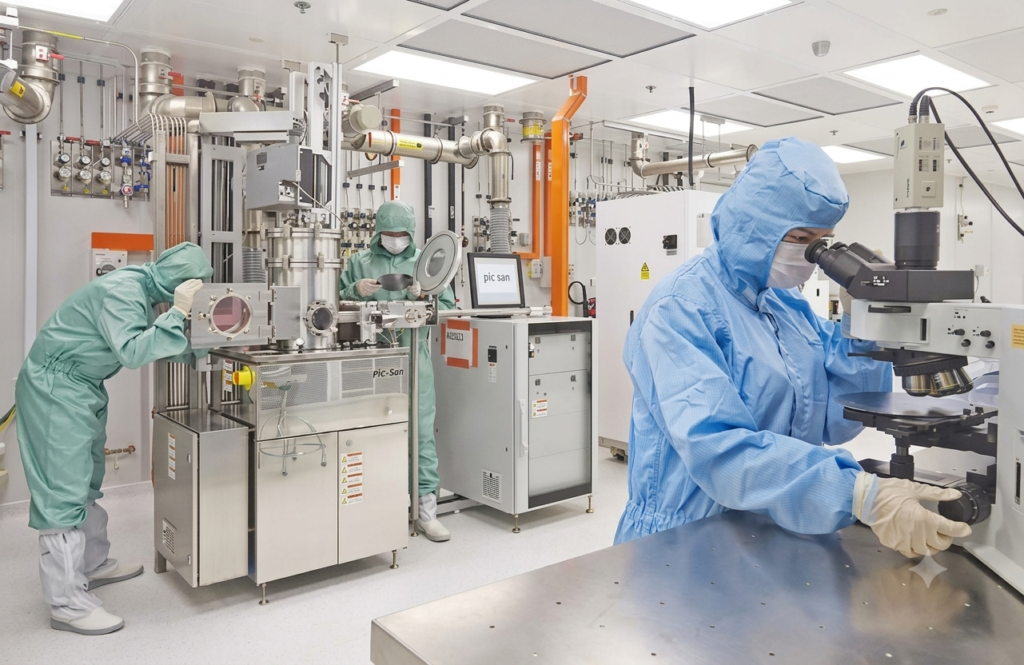
Cleanrooms are the heart of GMP compliance. Every pharmaceutical product depends on controlled environmental conditions during manufacturing.
Key cleanroom requirements include:
- GMP-based classification (Grade A, B, C, D)
- Controlled airflow direction and pressure cascade
- Temperature and humidity stability
- Particle and contamination control strategy
- Controlled entry and exit protocols
A Clean Room Consultant ensures HVAC and airflow systems are designed to protect critical processes while maintaining energy efficiency. In many projects handled by Collabtec, HVAC becomes the most critical system influencing both compliance and operating cost.
3. HVAC, Utilities and MEP System Planning
No pharmaceutical facility can operate without stable utilities. These systems define reliability and efficiency.
Key systems include:
- HVAC systems for environmental control
- Electrical distribution and backup systems
- Purified Water (PW) and WFI systems
- Compressed air and process gases
- Drainage and waste management systems
A skilled MEP consultant ensures all systems are fully integrated without design clashes. Collabtec emphasizes early-stage utility coordination to avoid expensive rework during execution.
Poor utility planning often leads to instability and high operational costs, making this one of the most critical design stages.
4. Material Handling and Storage Areas
Material movement inside a pharma facility must be controlled and traceable. Poor handling design increases contamination risk and inefficiency.
A proper design includes:
- Segregated storage for raw materials and finished goods
- Controlled temperature storage zones where required
- Logical movement paths for materials
- Easy access for inspection and QA processes
A Pharma plant setup consultant like Collabtec ensures that storage and handling systems support both compliance and operational speed.
5. Quality Control and Laboratory Space Planning
Laboratories are essential for validation and quality assurance in pharma manufacturing.
Key lab areas include:
- Quality Control (QC) laboratories
- Quality Assurance (QA) areas
- Microbiology testing zones
- R&D or formulation support labs
A well-integrated lab design ensures:
- Smooth workflow between production and testing
- Contamination-free sample handling
- Proper segregation of sensitive areas
- GMP-compliant documentation flow
Collabtec integrates lab planning into overall facility design to ensure labs are not isolated units but part of the production ecosystem.
6. Safety, Compliance and Regulatory Readiness
Regulatory compliance is the backbone of pharma operations. Without it, production cannot begin.
A GMP-compliant facility must support:
- Audit-ready documentation systems
- Equipment qualification (IQ/OQ/PQ readiness)
- Controlled access systems
- Safety and emergency protocols
A Pharma Consultant ensures compliance is embedded into design decisions from the start, reducing approval delays and regulatory risks.
7. Future Expansion and Scalability Considerations
One of the most common failures in pharma facility design is ignoring future growth.
A well-planned facility should include:
- Expansion-ready layout zones
- Modular utility systems
- Flexible cleanroom configurations
- Reserved space for future equipment
Collabtec focuses heavily on scalability planning so facilities can grow without expensive reconstruction or downtime.
EPCM vs Turnkey Approach for GMP Facility Development
Execution strategy is just as important as design.
An EPCM Consultant manages engineering, procurement, and construction coordination while allowing flexibility in design changes and vendor selection. This model is ideal for complex pharma facilities.
A Turnkey Project Consultant, on the other hand, delivers a complete facility under a single contract, suitable for faster and more standardized projects.
Collabtec supports both EPCM and turnkey models depending on project complexity, timeline, and risk profile.
Common GMP Facility Design Mistakes to Avoid
Many pharmaceutical projects face issues due to avoidable mistakes:
- Poor layout planning and inefficient flow
- Under-designed HVAC systems
- Lack of scalability planning
- Utility system bottlenecks
- Weak integration between architecture and engineering
Collabtec addresses these risks early through integrated planning and cross-disciplinary coordination.
How a Pharma Plant Setup Consultant Ensures Project Success
A successful GMP facility is built through structured engineering, not guesswork.
A Pharma plant setup consultant helps in GMP by:
- Converting GMP requirements into practical facility design
- Coordinating architecture, HVAC, and utilities
- Ensuring regulatory compliance from day one
- Supporting EPCM and turnkey execution strategies
- Designing scalable, future-ready facilities
With experience across pharma, CleanTech, and industrial projects, Collabtec ensures facilities are built for performance, compliance, and long-term efficiency.
Conclusion
A GMP pharmaceutical facility is a precision-engineered system where every design decision impacts quality, cost, and compliance.
From layout planning to cleanroom design, from utilities to regulatory readiness, every element must work together seamlessly.
Working with a Pharma plant setup consultant like Collabtec ensures that GMP requirements are not only met but implemented intelligently for long-term operational success.
With expertise in Plant Engineering, MEP systems, and execution models like EPCM and turnkey, Collabtec helps pharmaceutical companies build facilities that are compliant today and scalable for tomorrow.
#Pharma #Engineering #Biopharma #cGMP #GxP #Cleanroom #ProcessEngineering #FacilityDesign
#API #Biologics #SterileManufacturing #Engineering #Manufacturing #IndustrialEngineering #ProjectManagement #Construction #EPCM #LifeSciences #Nutraceuticals #Healthcare
#R&D #QualityControl #labs #warehouse #collabtec