Pharmaceutical Manufacturing Facility Setup in GCC Countries: Role of Pharma Engineering Consultants
The pharmaceutical industry across the Gulf Cooperation Council (GCC) is entering a new phase of growth. Countries such as Saudi Arabia, the UAE, Qatar, Oman, Kuwait, and Bahrain are investing heavily in local pharmaceutical manufacturing to strengthen healthcare infrastructure, reduce dependence on imports, and improve medicine accessibility.
As these investments continue, the demand for efficient pharmaceutical manufacturing facility setup has also increased. Developing a compliant manufacturing plant requires more than construction, it involves strategic planning, engineering expertise, regulatory compliance, and specialized facility design.
This is where experienced pharma engineering consultants play a vital role. From planning the facility layout to designing cleanrooms and coordinating utilities, they help businesses develop manufacturing plants that are efficient, scalable, and ready for commercial production.
Why GCC Countries Are Investing in Pharmaceutical Manufacturing Facilities
The GCC region has recognized pharmaceutical manufacturing as a strategic industry. Government initiatives focused on healthcare security, economic diversification, and local production are encouraging investments in new manufacturing facilities.
Several factors are driving this growth:
- Increasing demand for locally manufactured medicines
- Expansion of healthcare infrastructure
- Reduced reliance on pharmaceutical imports
- Government support for industrial development
- Growing investment in biotechnology and life sciences
As a result, companies planning a pharmaceutical manufacturing facility setup are looking for engineering partners who understand both international standards and the unique requirements of pharmaceutical manufacturing.
Key Requirements for Pharmaceutical Manufacturing Facility Setup in GCC Countries
Every successful pharmaceutical project begins with careful planning. A well-designed facility supports efficient manufacturing, simplifies regulatory compliance, and allows future expansion without major structural changes.
Experienced pharmaceutical plant design consultants typically focus on several critical areas during the planning stage.
1. Strategic Site Selection
Choosing the right location involves evaluating land availability, logistics, utility access, workforce availability, and future expansion opportunities.
2. GMP-Compliant Facility Design
Facility layouts should support logical movement of personnel, materials, equipment, and products while minimizing contamination risks and improving operational efficiency.
3. Utility and Infrastructure Planning
Reliable utilities such as HVAC systems, purified water, compressed air, clean steam, electrical infrastructure, and process utilities are essential for pharmaceutical operations.
4. Production Capacity Planning
Facilities should be designed to meet current manufacturing requirements while allowing additional production lines or process upgrades as business needs grow.
5. Regulatory Readiness
Design decisions should consider applicable GMP requirements and local regulatory expectations from the earliest stages of the project to reduce future modifications and approval delays.
Proper planning not only improves project execution but also reduces long-term operational costs.
How Pharma Engineering Consultants Support Successful Facility Development
Building a pharmaceutical manufacturing plant involves multiple engineering disciplines working together. Coordinating these activities without proper planning often leads to delays, redesigns, and unnecessary costs.
At Collabtec, our experienced pharma engineering consultants provide technical guidance throughout the project lifecycle, ensuring every stage, from planning and engineering to commissioning, supports the client’s manufacturing objectives.
Their responsibilities typically include:
- Project feasibility studies
- Facility planning and layout development
- Detailed Plant Engineering
- Utility planning and infrastructure design
- Equipment coordination
- Procurement & Construction supervision
- Testing and commissioning support
An experienced Engineering Consultant also works closely with project stakeholders to ensure engineering decisions align with production goals, compliance requirements, and future operational needs.
By integrating engineering disciplines early in the project, businesses can avoid many of the challenges that arise during construction and commissioning.
Why Cleanroom Design Is Critical for Pharmaceutical Manufacturing Plants
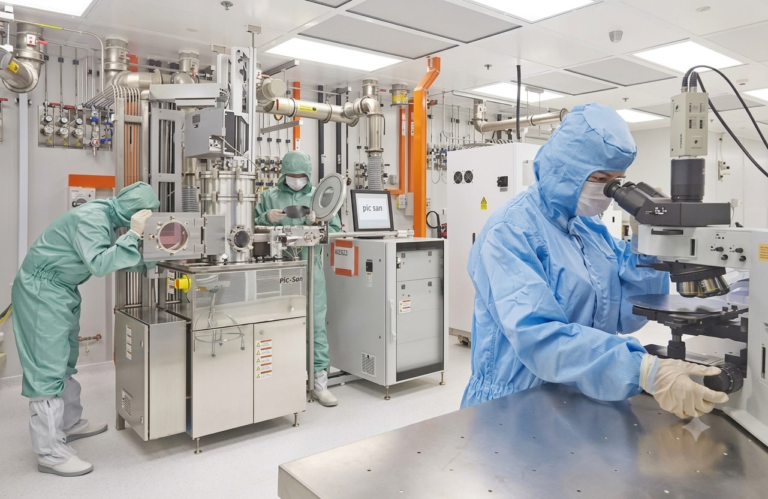
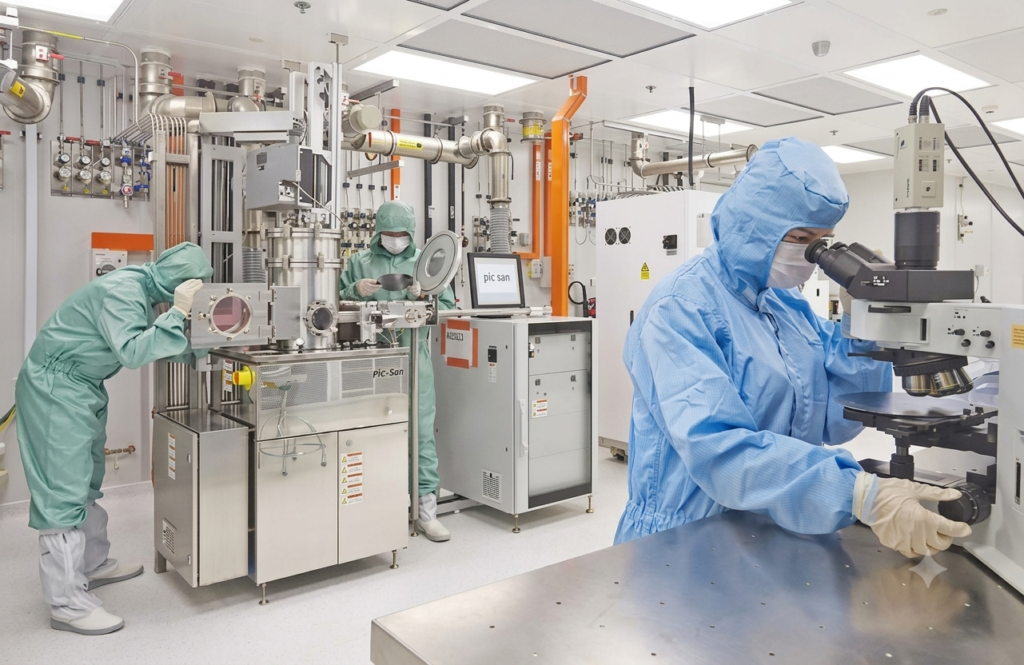
Cleanrooms are one of the most important components of a Pharmaceutical manufacturing plant. They help maintain controlled environmental conditions that protect products, processes, and personnel from contamination.
An experienced Clean Room Consultant considers several factors while designing pharmaceutical cleanrooms, including:
- Air cleanliness and filtration
- Pressure differential control
- Temperature and humidity management
- Material and personnel movement
- Cleanroom zoning
- HVAC integration
A properly designed cleanroom supports product quality, regulatory compliance, and efficient manufacturing operations while reducing contamination risks throughout the facility.
Early cleanroom planning also helps prevent costly design changes during later project stages.
Common Challenges During Pharmaceutical Manufacturing Facility Setup
Even well-funded pharmaceutical projects can face delays if important engineering considerations are overlooked during planning.
Some of the most common challenges include:
– Managing Regulatory Compliance
Meeting pharmaceutical manufacturing standards requires careful planning from the design stage through commissioning.
– Coordinating Multiple Engineering Disciplines
Architecture, structural engineering, utilities, process equipment, and cleanroom systems must work together as one integrated facility.
– Utility Planning
Insufficient planning for utilities such as HVAC, purified water, compressed air, and electrical systems can affect production efficiency and future expansion.
– Climate Considerations
GCC countries experience high ambient temperatures, making energy-efficient HVAC systems and utility infrastructure particularly important for pharmaceutical operations.
– Future Expansion
Manufacturing requirements evolve over time. Facilities designed with flexibility can accommodate capacity expansion and new production technologies without major disruptions.
With the support of Collabtec’s experienced engineering professionals, businesses can minimize project risks, streamline execution, and build manufacturing facilities that are ready for future growth.
Partner with Collabtec for Pharmaceutical Manufacturing Facility Setup
Developing a pharmaceutical manufacturing facility requires the right combination of engineering expertise, industry knowledge, and careful project planning.
At Collabtec, we support pharmaceutical projects through integrated engineering solutions that combine facility planning, Plant Engineering, utility coordination, cleanroom design, and regulatory-focused infrastructure development. Our approach helps clients create manufacturing facilities that are efficient, compliant, and designed for long-term growth.
As experienced pharmaceutical plant design consultants and a trusted pharma engineering firm, we work closely with clients to understand their production goals and translate them into practical engineering solutions. Whether supporting a new facility or expanding an existing one, our team focuses on delivering coordinated designs that simplify execution and improve operational efficiency.
For organizations seeking turnkey pharmaceutical engineering consultants, Collabtec provides comprehensive engineering support tailored to the specific needs of pharmaceutical manufacturing projects. Depending on project requirements, we can also support clients through an EPCM Consultant approach, ensuring flexibility in project delivery while maintaining engineering excellence.
With experience across pharmaceutical, healthcare, laboratory, and industrial sectors, Collabtec helps businesses build future-ready manufacturing facilities that meet today’s operational needs while preparing for tomorrow’s growth.
#Pharma #Engineering #Biopharma #cGMP #GxP #Cleanroom #ProcessEngineering #FacilityDesign
#API #Biologics #SterileManufacturing #Engineering #Manufacturing #IndustrialEngineering #ProjectManagement #Construction #EPCM #LifeSciences #Nutraceuticals #Healthcare
#R&D #QualityControl #labs #warehouse #collabtec