How Plant Setup Consultants Improve ROI on Manufacturing Projects
Setting up a manufacturing facility is a major investment. From land and infrastructure to equipment, utilities, engineering, construction, and commissioning, every decision can influence how efficiently the facility operates once production begins.
While businesses often focus on controlling the initial project cost, return on investment (ROI) depends on much more than the amount spent during construction. Poor planning, inefficient layouts, project delays, excessive utility consumption, and limited scope for expansion can increase costs long after the facility becomes operational.
This is where experienced Plant Setup Consultants can add value. By bringing planning, engineering, and project coordination together from the early stages, consultants can help manufacturers make better decisions that support both project efficiency and long-term business performance.
What Does a Plant Setup Consultant Do for a Manufacturing Project?
A Plant setup consultant supports manufacturers in planning and developing the infrastructure required for a new facility or expansion project.
Depending on the project scope, their responsibilities may include:
- Feasibility and project planning
- Facility and layout planning
- Process and equipment coordination
- Utility planning
- Engineering design
- Vendor and contractor coordination
- Project execution support
- Commissioning and handover
A Manufacturing project consultant looks at the facility as a complete system rather than focusing on individual components.
For example, production equipment cannot be planned independently of utilities, building services, material movement, maintenance access, or the overall plant layout. Coordinating these elements early can prevent expensive changes later.
Why Does Manufacturing Project Planning Matter for ROI?
Good Manufacturing project planning has a direct impact on both capital expenditure and future operating costs.
A poorly planned facility may require additional construction work, equipment relocation, utility modifications, or layout changes during execution. These changes can increase the project budget and delay production.
On the other hand, early planning allows manufacturers to evaluate different options before construction begins.
This can include deciding:
- How much production space is actually required
- Where equipment should be positioned
- How materials will move through the facility
- What utilities are needed
- How much infrastructure should be installed initially
- Where future expansion can take place
The objective is not simply to spend less. It is to ensure that every major investment contributes to the facility’s intended operational performance.
6 Ways Plant Setup Consultants Improve Manufacturing Project ROI
1. Optimizing Plant Layout and Space Utilization
Space is one of the most important resources in a manufacturing facility.
An inefficient layout can increase material movement, create unnecessary travel for employees, reduce productivity, and make future expansion difficult.
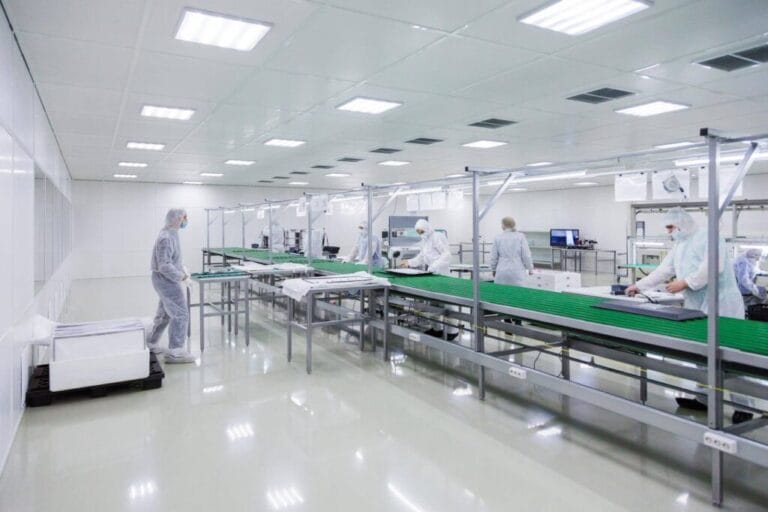
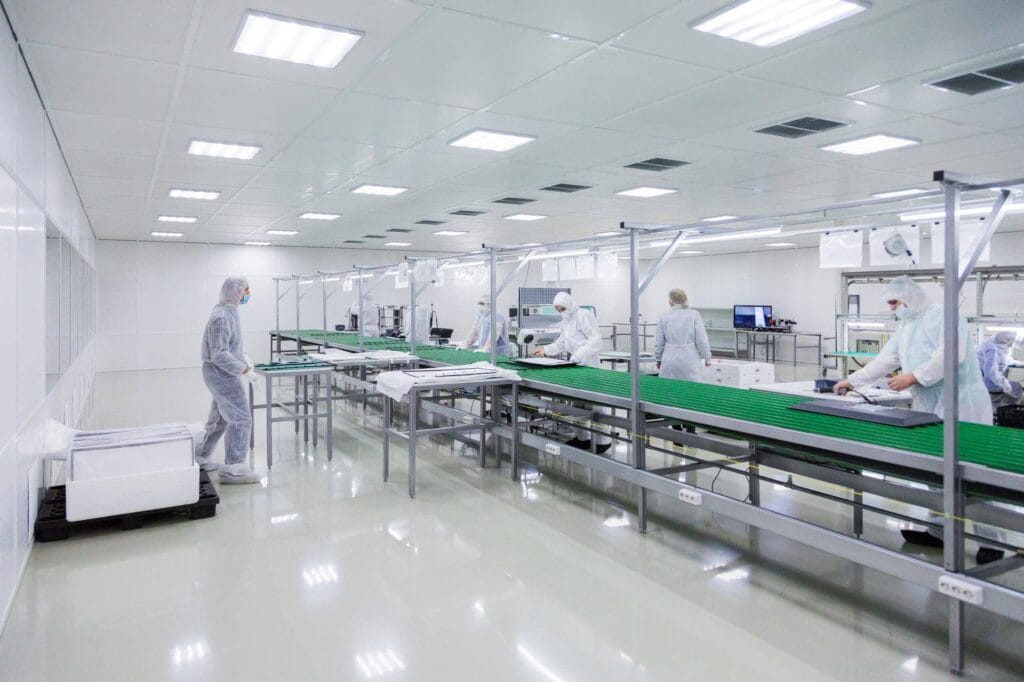
Through effective Plant Engineering and layout planning, consultants can help organize production areas, storage, utilities, laboratories, support spaces, and circulation routes more efficiently.
A well-planned layout can improve workflow while reducing unnecessary construction and operational requirements.
2. Reducing Engineering Changes and Project Rework
Changes become significantly more expensive once construction or installation is already underway.
A change to one system can affect several other parts of the project. For example, modifying equipment specifications may require changes to electrical systems, HVAC, utilities, structural elements, or room layouts.
An experienced Engineering Consultant can coordinate these requirements during the design stage and identify potential conflicts before they reach construction.
Fewer design changes can mean less rework, better schedule control, and more predictable project costs.
3. Improving Equipment and Utility Planning
Manufacturing equipment represents a significant portion of the investment in many industrial projects. However, equipment performance also depends on the infrastructure supporting it.
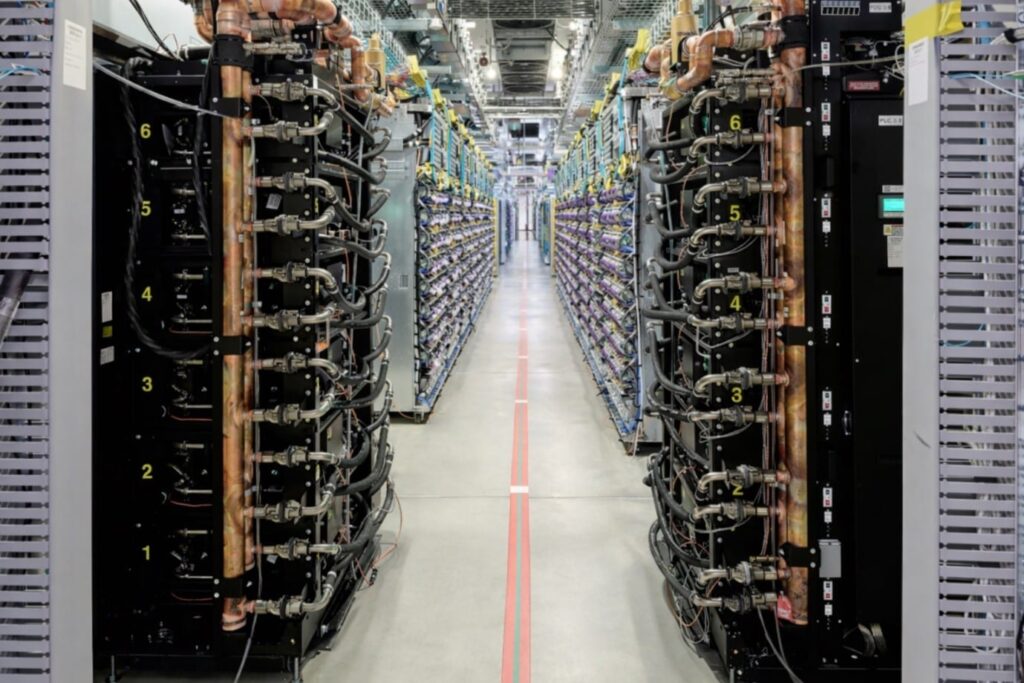
Utility requirements may include electricity, water, compressed air, HVAC, process gases, steam, drainage, or other services depending on the manufacturing process.
Plant Engineering helps connect equipment requirements with the supporting infrastructure.
Proper planning also prevents two common problems: installing insufficient capacity or spending unnecessarily on oversized systems.
The right balance can help control capital investment while ensuring that production requirements are reliably supported.
4. Preventing Costly Project Delays
Time is directly connected to ROI.
Every month a facility remains under construction or commissioning can potentially delay production, revenue generation, and the recovery of the initial investment.
A Manufacturing project consultant can help coordinate engineering activities, procurement requirements, contractors, vendors, and project milestones.
Better coordination does not eliminate every project risk, but it can make it easier to identify dependencies and address issues before they become major delays.
For large or technically complex facilities, an Industrial project consultant can also help maintain alignment between different project teams.
5. Designing Facilities for Lower Operating Costs
ROI should not be evaluated only at the point of project completion.
A facility may have a reasonable construction cost but become expensive to operate because of inefficient utilities, poor workflow, excessive maintenance requirements, or inadequate infrastructure planning.
Facility design should therefore consider lifecycle costs.
For example, efficient utility systems, practical equipment placement, maintainable infrastructure, and optimized workflows can contribute to lower operating and maintenance costs over time.
This is especially important for facilities that are expected to operate for decades.
6. Planning for Future Expansion and Capacity Growth
Manufacturing businesses rarely remain static.
Production volumes may increase, new product lines may be introduced, or additional equipment may be required as the business grows.
Planning for these possibilities during the initial project can make future expansion significantly easier.
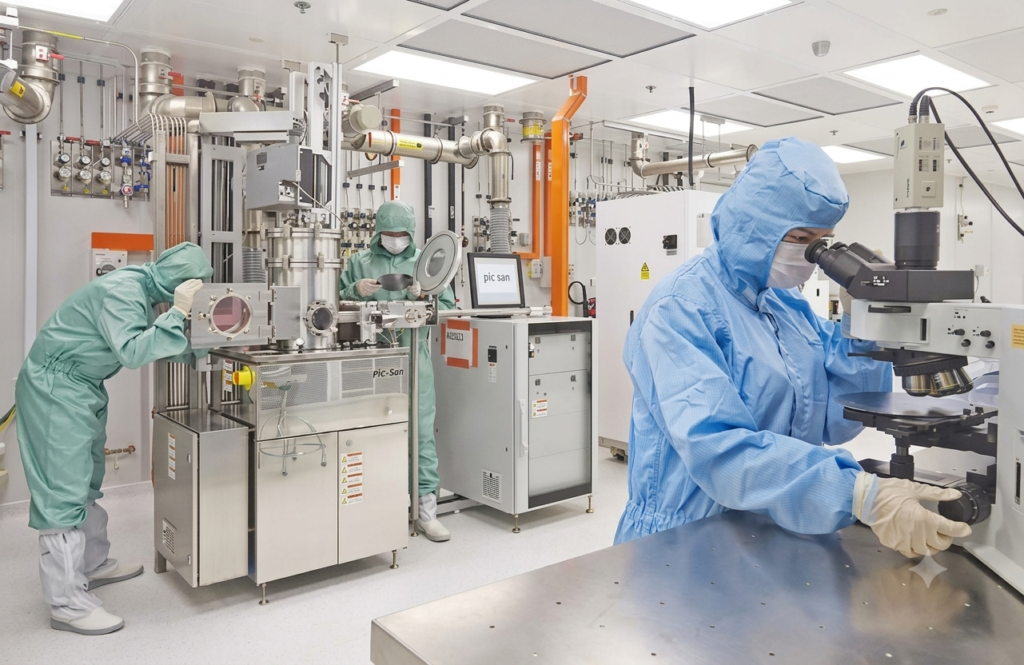
For a Pharmaceutical plant setup, for example, future requirements may include additional manufacturing areas, laboratories, storage capacity, utilities, or controlled environments.
A consultant can help identify where flexibility is worth building into the initial design so that future growth does not require extensive reconstruction.
How Can Consultants Balance Initial Investment With Long-Term ROI?
The lowest project cost does not necessarily deliver the highest ROI.
Choosing an inexpensive system or reducing infrastructure without considering long-term requirements can create higher maintenance, energy, modification, or operational costs later.
A better approach is to evaluate the total value of the investment.
This includes:
- Initial capital cost
- Construction and installation cost
- Energy consumption
- Maintenance requirements
- Equipment lifecycle
- Productivity
- Facility flexibility
- Future expansion
- Expected operational life
An experienced consultant can help manufacturers compare these factors before major project decisions are finalized.
Why Integrated Engineering Matters for Manufacturing Project ROI
Manufacturing projects involve multiple technical disciplines. Architecture, process requirements, mechanical systems, electrical infrastructure, utilities, equipment, and construction all need to work together.
An integrated approach reduces the risk of different teams making decisions in isolation.
Depending on the project structure, manufacturers may work with an EPCM Consultant or choose a Turnkey Project Consultant for a more integrated delivery model.
The important consideration is ensuring that engineering and execution remain aligned with the project’s production objectives.
For companies in regulated industries, this becomes even more important. A Pharma engineering firm must consider operational requirements alongside facility, utility, quality, and compliance considerations.
How Collabtec Helps Manufacturers Improve Project Value
Collabtec supports manufacturers with facility planning, engineering, and project coordination aimed at creating practical and efficient manufacturing environments.
Its approach brings together Plant Engineering, facility requirements, utilities, workflows, and project objectives during the planning stage. This helps manufacturers make informed decisions before construction and procurement commitments are finalized.
For pharmaceutical businesses, Collabtec can also support projects involving Pharma plant setup consultant requirements, helping align facility infrastructure with manufacturing and operational needs.
The focus is not simply on reducing upfront costs. It is on creating facilities that provide better value throughout their operating lifecycle.
Build a More Cost-Efficient Manufacturing Project With Collabtec
A successful manufacturing project should deliver more than a completed building. It should provide an efficient environment that supports production, controls operating costs, accommodates growth, and delivers value over its useful life.
Experienced Plant Setup Consultants can contribute to this outcome by improving planning, coordinating engineering requirements, reducing rework, managing project risks, and considering future expansion from the beginning.
For manufacturers planning a new facility, expansion, or modernization project, Collabtec brings engineering and project planning expertise together to help turn investment into long-term operational value.
The right decisions made during the planning stage can continue to deliver benefits long after construction is complete.
#Pharma #Engineering #Biopharma #cGMP #GxP #Cleanroom #ProcessEngineering #FacilityDesign
#API #Biologics #SterileManufacturing #Engineering #Manufacturing #IndustrialEngineering #ProjectManagement #Construction #EPCM #LifeSciences #Nutraceuticals #Healthcare
#R&D #QualityControl #labs #warehouse #collabtec