Pharma Manufacturing Plant Setup: Step-by-Step Guide for India
India’s pharmaceutical industry is growing faster than ever. From generic medicines to advanced formulations, Indian pharma companies are supplying products across the world. But behind every successful pharmaceutical product is a properly planned manufacturing facility.
Setting up a pharma manufacturing plant is a long process that needs technical planning, regulatory approvals, cleanroom systems, utilities, and quality-focused infrastructure. Even a small mistake during planning can create operational problems later.
That is why many companies today prefer working with an experienced pharma plant setup consultant right from the beginning. Expert guidance helps businesses avoid delays, manage compliance requirements, and build facilities that support long-term growth.
In this guide, we’ll look at the complete process of setting up a pharmaceutical manufacturing plant in India and understand why proper planning matters.
Understanding the Basics of Pharma Manufacturing Plant Setup in India
A pharmaceutical plant is very different from a standard industrial building. Every section inside the facility must be planned carefully to maintain hygiene, product quality, and smooth workflow.
The setup process usually starts with:
- Project planning
- Land selection
- Facility layout design
- Utility planning
- Cleanroom setup
- Equipment installation
- Validation and approvals
Many businesses focus only on machinery in the early stages. But in reality, infrastructure planning plays an equally important role. Poor space planning can affect production flow, material movement, and even future expansion.
This is where experienced Plant Setup Consultants become valuable. They help businesses plan facilities in a practical way while keeping GMP requirements and production efficiency in mind.
India is also becoming a major global manufacturing hub for pharmaceuticals. As export demand increases, companies are expected to maintain higher compliance and quality standards than before.
Key Regulatory Approvals Required for Pharmaceutical Plant Setup
Before a pharmaceutical manufacturing unit can start operations, several approvals are required from regulatory authorities. These approvals ensure that the facility meets safety and quality standards.
Some important approvals include:
- GMP certification
- CDSCO approvals
- State FDA licenses
- Pollution control clearances
- Fire and safety approvals
- Environmental permissions
Regulatory compliance is one of the biggest challenges during plant setup. In many cases, delays happen because layouts, utilities, or documentation do not meet required standards.
Companies planning a new facility should also understand current GMP expectations in India. Understanding GMP Requirements for Pharmaceutical Manufacturing Facilities in India helps with explaining important compliance requirements in a simple way.
Working with a knowledgeable Pharma Consultant can make the approval process much smoother. Consultants help coordinate documentation, technical planning, and regulatory preparation from the early stages itself.
Why Hiring a Pharma Plant Setup Consultant Is Essential for GMP Compliance
A pharma manufacturing project involves many moving parts. Architects, engineers, HVAC teams, equipment suppliers, validation experts, and contractors all work together during the setup process. Without proper coordination, projects can quickly become delayed or expensive.
An experienced pharma consultant in Mumbai helps businesses manage these challenges more efficiently.
A consultant usually supports:
- Facility planning
- GMP-focused layouts
- Utility and HVAC coordination
- Compliance documentation
- Cleanroom planning
- Project management
- Validation preparation
Many pharmaceutical companies today prefer working with professional pharmaceutical project consultants because they bring industry-specific experience that general contractors may not have.
For example, cleanroom airflow, personnel movement, and material transfer planning are extremely important in pharma manufacturing. These details directly affect contamination control and audit readiness.
Collabtec works with pharmaceutical companies to develop facilities that are practical, compliant, and scalable. From engineering support to project coordination, Collabtec helps businesses simplify complex setup processes while maintaining GMP standards.
Companies planning export-focused facilities should also understand EU GMP readiness requirements, as international compliance planning plays an important role in pharmaceutical exports and global market approvals.
Step-by-Step Process of Setting Up a Pharmaceutical Manufacturing Plant
Setting up a pharmaceutical plant takes careful planning at every stage. While every project is different, the overall process usually follows a structured approach.
1. Project Planning and Feasibility
The first step is understanding production goals, product types, investment budgets, and compliance requirements. Businesses also evaluate location advantages, utilities, and future expansion possibilities during this stage.
2. Facility Layout and Design
Plant layout affects almost everything inside the facility, workflow, hygiene, safety, and operational efficiency.
Experienced pharmaceutical plant design consultants focus on creating layouts that support:
- Smooth material movement
- Proper zoning
- Cleanroom separation
- Easy maintenance access
- Compliance-ready operations
A well-designed layout can save businesses from major operational problems later.
3. Utility and Cleanroom Planning
Utilities are the backbone of pharmaceutical manufacturing. HVAC systems, purified water systems, compressed air, electrical systems, and temperature controls must work reliably every day.
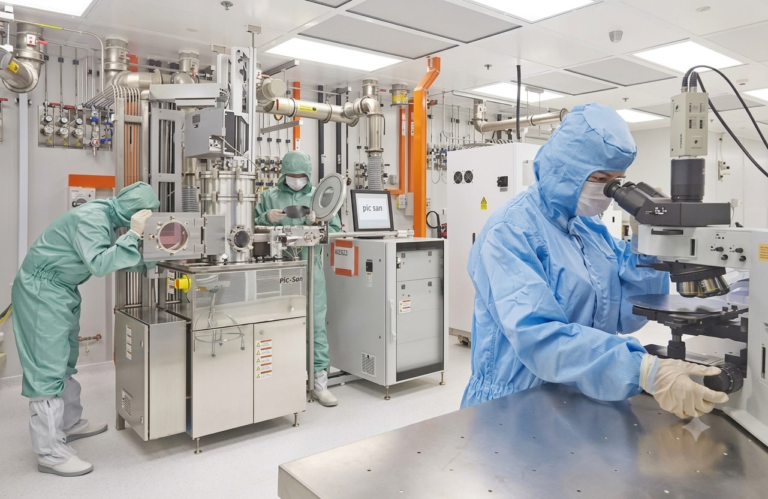
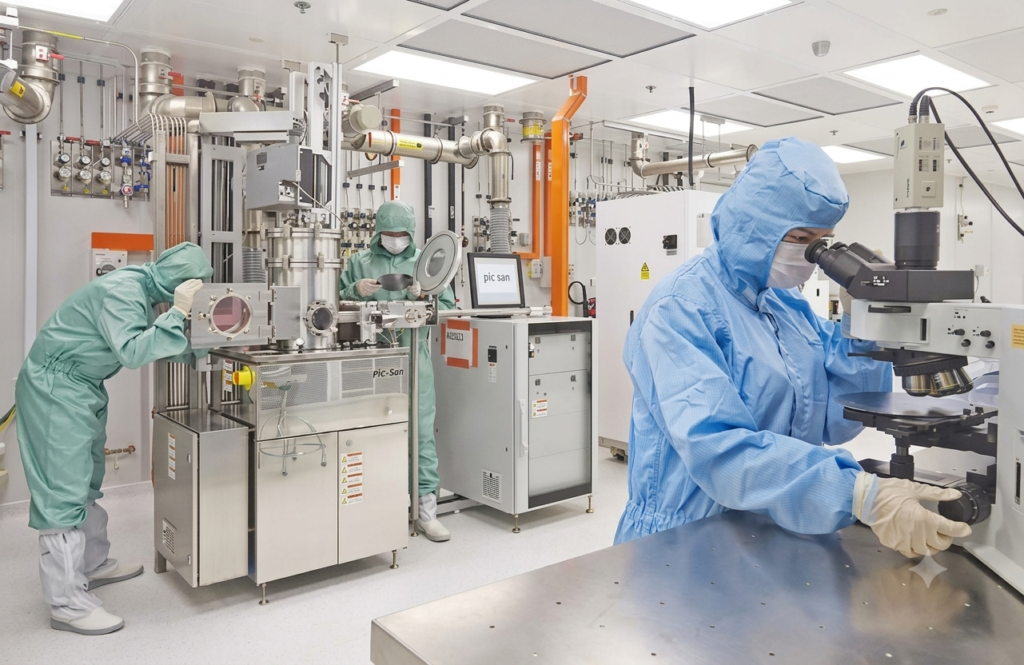
Cleanroom planning is especially critical because pharmaceutical products require controlled environments to prevent contamination.
4. Equipment Installation and Validation
Once infrastructure is ready, manufacturing equipment is installed and tested. Validation ensures that machines and systems perform consistently according to regulatory standards.
5. Documentation and Compliance Preparation
Documentation is a major part of pharma manufacturing. SOPs, validation reports, workflow documents, and quality procedures are prepared before commercial production begins.
Many businesses today also evaluate EPCM-based execution for better coordination and project control. In fact, “EPCM vs Turnkey Projects in Pharma” has become a major discussion point for pharmaceutical companies trying to choose the right project delivery model for their facility setup.
How Pharmaceutical Plant Design Consultants Improve Efficiency and Compliance
Good facility design is not just about appearance. In pharmaceutical manufacturing, design directly affects compliance, productivity, and product quality.
Poorly planned facilities often face issues like:
- Workflow confusion
- Cross-contamination risks
- Space shortages
- Maintenance difficulties
- Audit observations
This is why experienced Lab design consultant teams focus heavily on workflow planning and utility coordination.
Modern pharma facilities require close coordination between production areas, HVAC systems, electrical systems, and cleanroom environments. A skilled Pharma engineering firm helps ensure that all these systems work together properly.
Strong Plant Engineering also improves:
- Production consistency
- Equipment performance
- Energy efficiency
- Safety management
- Long-term operational reliability
Businesses looking to improve pharmaceutical workflow planning can also refer to
Lab Design Guidelines for Pharma: MEP & Workflow Planning Explained
Choosing the Right Pharma Engineering Firm for Long-Term Success
Choosing the right consulting and engineering partner can make a huge difference in project success. The right team helps businesses avoid common setup mistakes and improve overall project execution.
Before selecting a consultant, companies should evaluate:
- Pharma industry experience
- GMP expertise
- Engineering capabilities
- Cleanroom knowledge
- Validation support
- Project execution approach
A reliable consulting partner should also understand future operational needs, not just current construction requirements.
Collabtec supports pharmaceutical businesses with complete project planning, engineering coordination, and compliance-focused infrastructure solutions. As an experienced partner for pharmaceutical facility projects, Collabtec helps companies build manufacturing environments that meet both operational and regulatory expectations.
Whether it is a new greenfield facility or an expansion project, proper planning always leads to better long-term results.
Conclusion
Setting up a pharmaceutical manufacturing plant in India is a detailed process that requires technical expertise, compliance planning, and proper engineering support. From facility layouts and cleanrooms to utilities and documentation, every stage affects future operations.
Working with an experienced pharma plant setup consultant helps businesses reduce risks, improve compliance readiness, and create facilities designed for long-term success.
As the pharmaceutical industry continues to grow, companies need manufacturing facilities that are efficient, scalable, and audit-ready. With practical engineering support and industry-focused planning, Collabtec helps pharmaceutical businesses develop modern facilities that support both quality and growth.
#Pharma #Engineering #Biopharma #cGMP #GxP #Cleanroom #ProcessEngineering #FacilityDesign
#API #Biologics #SterileManufacturing #Engineering #Manufacturing #IndustrialEngineering #ProjectManagement #Construction #EPCM #LifeSciences #Nutraceuticals #Healthcare
#R&D #QualityControl #labs #warehouse #collabtec