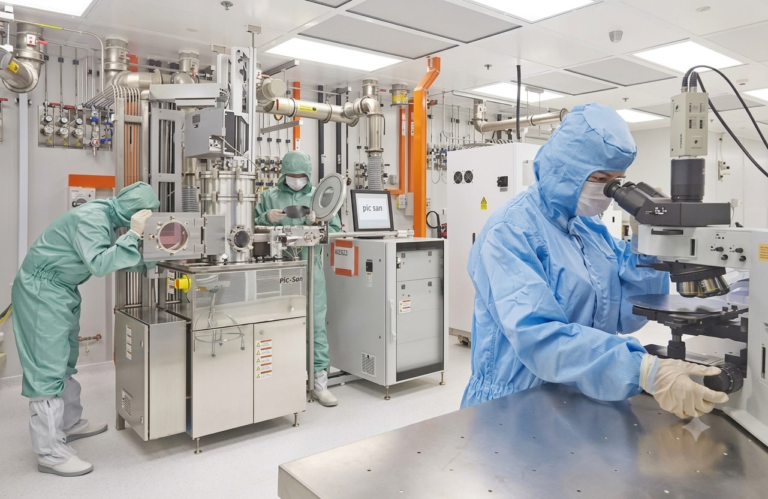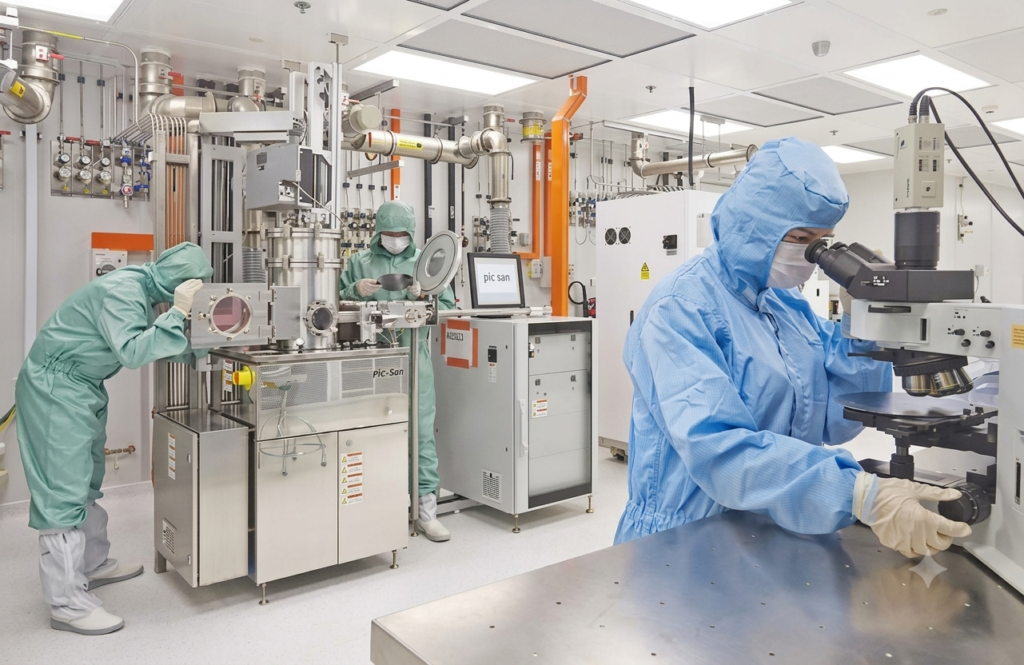
Solar Manufacturing Plant Design: How Plant Engineering Consultants Plan Cell & Module Facilities
As demand for renewable energy continues to grow, manufacturers are investing in facilities for solar cells, modules, and related components. But establishing a competitive production facility involves much more than installing manufacturing equipment. The building, process flow, utilities, infrastructure, safety systems, and future expansion plans must work together.
This is where solar manufacturing plant design becomes important. A well-planned facility can improve production flow, optimize space, support quality control, and make future capacity expansion easier.
From site planning and equipment layouts to utilities and engineering coordination, every stage requires careful manufacturing facility planning. Working with an experienced Plant Engineering Consultant can help manufacturers develop a facility that is practical, scalable, and aligned with operational requirements.
What Is Solar Manufacturing Plant Design?
Solar manufacturing plant design is the process of planning the physical facility, production areas, utilities, infrastructure, and supporting spaces required to manufacture solar products efficiently.
Depending on the manufacturing scope, a facility may be designed for solar cell production, module assembly, or multiple stages of the solar manufacturing value chain. Each process has different equipment, environmental, electrical, material-handling, and utility requirements.
A typical solar manufacturing facility design considers:
- Production and process areas
- Equipment positioning and accessibility
- Raw material and finished-goods movement
- Warehousing and storage
- Quality control and testing areas
- Utility and engineering services
- HVAC and environmental requirements
- Employee and administrative areas
- Fire and life-safety systems
- Maintenance and service access
- Future expansion requirements
The objective is to create an industrial facility design where people, materials, equipment, utilities, and information can move efficiently without unnecessary interference or delays.
What Are the Key Steps to Set Up a Solar Manufacturing Plant?
Setting up a solar manufacturing plant involves several interconnected planning and engineering stages. Addressing these requirements early can help avoid costly modifications during construction or production ramp-up.
1. Market and Feasibility Assessment
The process begins with understanding the intended product, production capacity, technology, target market, investment requirements, and expected growth.
A feasibility assessment can help determine the appropriate facility size, production model, equipment requirements, infrastructure needs, and potential expansion strategy.
2. Site Selection and Infrastructure Planning
Site selection should consider land availability, connectivity, power supply, water availability, logistics, workforce access, local regulations, and environmental factors.
The site master plan should also allow sufficient space for production buildings, warehouses, utilities, roads, loading areas, parking, fire access, and future expansion.
3. Production Process and Equipment Planning
The manufacturing process determines much of the facility’s design. Equipment footprints, process sequences, maintenance clearances, material movement, and production capacity must be evaluated before finalizing the layout.
For a solar cell manufacturing plant, process requirements can differ significantly from those of a module assembly facility. Understanding these differences is essential for effective plant planning.
4. Facility Layout and Utility Design
The facility layout should support a logical flow of raw materials through production, inspection, packaging, and finished-goods storage.
Utilities must then be planned around the process and equipment requirements. These may include electrical power, HVAC, water, compressed air, exhaust systems, process gases where applicable, drainage, fire protection, and other building services.
5. Regulatory, Safety and Environmental Requirements
The design should account for applicable building, electrical, fire, environmental, occupational safety, and manufacturing requirements.
Early integration of these considerations helps reduce design changes later and supports a safer operating environment.
6. Installation, Commissioning and Production Readiness
After construction and equipment installation, systems need to be inspected, tested, commissioned, and prepared for operations.
Engineering coordination between the building, utilities, equipment suppliers, and production teams is particularly important during this stage.
How Are Solar Cell Manufacturing Plants Designed for Efficient Production?
A solar cell manufacturing plant requires careful coordination between process engineering and facility planning. The layout should reflect the actual manufacturing sequence rather than simply placing equipment wherever sufficient floor space is available.
An effective design considers:
– Process flow: Equipment should generally follow the manufacturing sequence to reduce unnecessary movement and handling.
– Material flow: Raw materials, work-in-progress, and finished products should have clearly planned movement routes to reduce congestion and cross-traffic.
– Equipment layout: Equipment footprints, maintenance access, operator movement, service connections, and replacement requirements should be considered during planning.
– Functional zoning: Production, quality control, storage, utilities, maintenance, offices, and support areas should be appropriately positioned based on their operational relationships.
– Environmental requirements: Temperature, humidity, ventilation, cleanliness, and other environmental conditions should be established according to the manufacturing process and equipment requirements.
– Expansion planning: Additional production lines, equipment, storage, or utilities may be required as capacity increases. Designing for expansion from the beginning can reduce disruption later.
The same principle applies to a solar module manufacturing plant, although its layout and infrastructure requirements may differ based on the assembly process, equipment, automation level, and production capacity.
What Engineering & Utility Requirements Does a Solar Manufacturing Facility Need?
Engineering systems form the backbone of a reliable manufacturing facility. A Solar plant engineering strategy should be developed alongside the production layout instead of being treated as a separate activity.
Key systems may include:
1. Electrical Engineering
Solar manufacturing facilities can have substantial electrical loads because of production equipment, HVAC systems, automation, lighting, utilities, and other infrastructure. Power distribution should therefore be planned according to present and anticipated loads.
2. HVAC and Environmental Control
HVAC requirements depend on the manufacturing process, equipment, material sensitivity, worker requirements, and environmental conditions. Appropriate temperature, humidity, ventilation, and filtration strategies should be incorporated where required.
3. Water and Process Utilities
Water requirements can vary considerably between solar manufacturing processes. Utility planning should account for process demand, quality requirements, storage, treatment, drainage, and water conservation opportunities.
4. Compressed Air, Exhaust and Other Services
Certain production equipment may require compressed air, exhaust, vacuum, gases, or specialized services. Their routing, capacity, redundancy, accessibility, and maintenance requirements should be incorporated into the facility design.
5. Fire, Safety and Emergency Systems
Fire detection, suppression, emergency access, evacuation routes, safety systems, and hazardous-area considerations should be integrated into the facility from the design stage.
This multidisciplinary approach allows Plant Engineering to support both operational reliability and long-term facility performance.
What Is the Role of Industrial Architects & Plant Engineering Consultants in Solar Facility Design?
Designing a large manufacturing facility requires coordination across architecture, process planning, structural engineering, MEP systems, utilities, safety, and construction.
An Industrial Architect focuses on the building’s functional planning, zoning, circulation, space utilization, and integration with the production process. At the same time, a Plant Engineering Consultant coordinates the engineering systems needed to support manufacturing operations.
An experienced Engineering Consultant can help integrate:
- Process and equipment planning
- Architectural and structural design
- MEP engineering
- Utility systems
- HVAC and environmental controls
- Material and personnel movement
- Fire and safety infrastructure
- Warehouse and logistics planning
- Future capacity expansion
For larger projects, manufacturers may also work with an EPCM Consultant or Turnkey Project Consultant, depending on the preferred project delivery model and level of execution support required.
The advantage of integrated planning is that engineering decisions are made with the production process in mind. This can help prevent issues such as inadequate utility capacity, inefficient material movement, insufficient maintenance access, or layouts that become difficult to expand.
Partner With Collabtec’s Plant Engineering Experts for a Scalable Solar Manufacturing Facility
A solar manufacturing facility needs more than a well-designed building. It requires coordinated planning of the manufacturing process, equipment, utilities, infrastructure, safety systems, and future capacity requirements.
Collabtec brings together architecture, engineering, MEP, utilities, facility planning, and project execution capabilities to support complex manufacturing environments.
Whether the requirement involves a new solar manufacturing facility, expansion of an existing plant, or detailed engineering for production infrastructure, the right design approach can create a facility that is efficient today and adaptable for tomorrow.
Planning a solar manufacturing plant? Partner with Collabtec’s plant engineering and facility design experts to develop a scalable manufacturing environment aligned with your production goals.
#Pharma #Engineering #Biopharma #cGMP #GxP #Cleanroom #ProcessEngineering #FacilityDesign
#API #Biologics #SterileManufacturing #Engineering #Manufacturing #IndustrialEngineering #ProjectManagement #Construction #EPCM #LifeSciences #Nutraceuticals #Healthcare
#R&D #QualityControl #labs #warehouse #collabtec