Cleanroom Design Across Industries: How Pharma, Semiconductor & Solar Facilities Differ
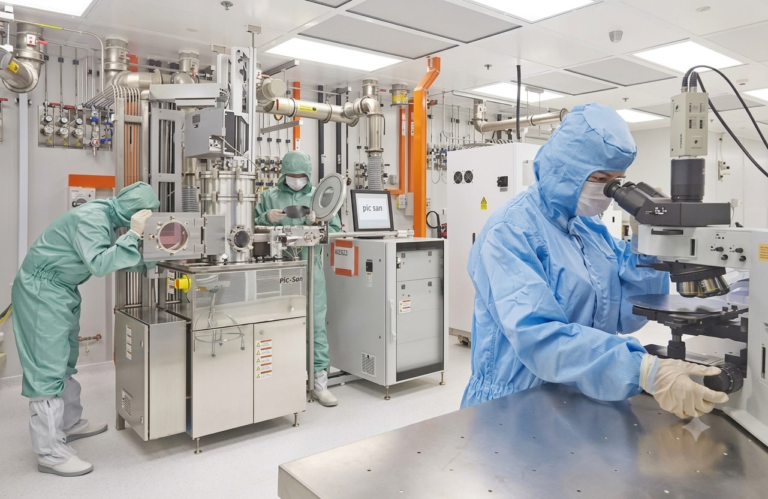
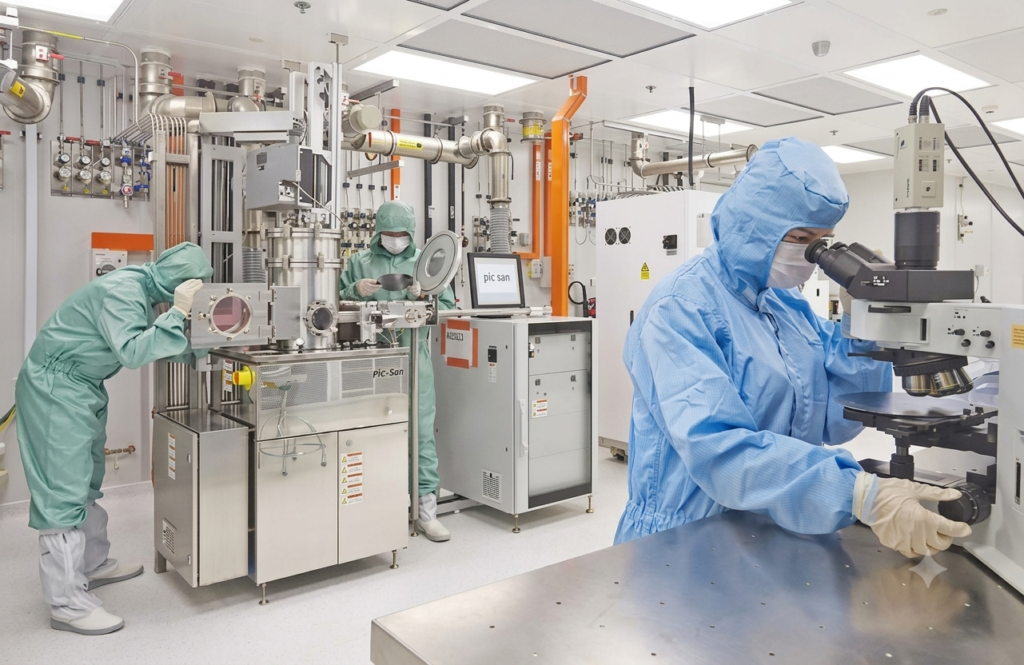
Cleanrooms are controlled environments designed to minimize airborne particles, contamination, and other environmental variables that can affect sensitive manufacturing processes. However, a cleanroom is not designed the same way for every industry.
The requirements for a pharmaceutical facility can differ significantly from those of a semiconductor or solar manufacturing facility. Product sensitivity, manufacturing processes, equipment, environmental conditions, regulatory requirements, and contamination risks all influence the final design.
Effective cleanroom design therefore begins with understanding the process rather than simply selecting a cleanroom classification. An experienced Cleanroom design consultant can integrate process requirements with architecture, HVAC, utilities, MEP systems, and overall facility planning.
What Is Cleanroom Design? Key Principles Across Manufacturing Industries
Cleanroom design is the planning and engineering of a controlled environment where airborne particles and environmental conditions are maintained within defined limits appropriate to the manufacturing process.
Depending on the application, cleanroom planning can address:
- Airborne particle control
- Temperature and humidity
- Airflow patterns and filtration
- Pressure differentials
- Personnel and material movement
- Equipment positioning
- Cleaning and maintenance
- Utilities and service integration
- Fire and life-safety requirements
A Cleanroom consultant first evaluates the manufacturing process, product sensitivity, equipment requirements, and applicable standards before determining the appropriate design strategy.
Pharmaceutical facilities typically focus on contamination control and GMP requirements, while semiconductor facilities can require extremely precise particle and environmental control. Solar manufacturing requirements depend on the specific production process and technology.
This process-driven approach is central to Collabtec’s cleanroom planning methodology, where cleanroom requirements are considered alongside architecture, engineering, utilities, and operational workflows.
How Does Cleanroom Design Differ for Pharma, Semiconductor & Solar Facilities?
Although all three industries may require controlled environments, the purpose and level of environmental control can vary considerably.
– Pharmaceutical Cleanroom Design: Focus on GMP & Contamination Control
In pharmaceutical manufacturing, cleanroom design is closely connected to product quality and contamination prevention.
A GMP cleanroom design may consider:
- Appropriate cleanroom zoning and classification
- Pressure differentials between areas
- Personnel and material segregation
- HVAC and filtration systems
- Temperature and humidity control
- Cleaning and sanitization
- Environmental monitoring
- Cross-contamination prevention
A Pharmaceutical cleanroom consultant helps translate manufacturing and GMP requirements into practical layouts, HVAC strategies, material flows, and controlled environments.
For pharmaceutical projects, Collabtec integrates cleanroom planning with MEP systems, utilities, laboratories, warehouses, and production areas rather than treating the cleanroom as an isolated space.
– Semiconductor Cleanroom Design: Precision Particle & Environmental Control
Semiconductor manufacturing is highly sensitive to particles and environmental variations. Even small contaminants can affect manufacturing processes and product yield.
Semiconductor cleanroom planning may therefore emphasize:
- Extremely low particle levels
- Airflow uniformity
- High-efficiency filtration
- Precise temperature and humidity control
- Equipment integration
- Vibration considerations
- Material and personnel movement
- Process-specific environmental requirements
The cleanroom is closely integrated with manufacturing equipment and supporting infrastructure. Cleanroom engineering is therefore critical to coordinate HVAC, electrical systems, structural requirements, equipment services, and process infrastructure.
– Solar Manufacturing Cleanroom Design: Process-Specific Requirements
Solar manufacturing facilities can have different environmental requirements depending on the production stage and technology.
Not every solar manufacturing facility requires the same cleanroom conditions. Requirements should be established based on the process, materials, equipment, contamination sensitivity, and quality objectives.
A solar manufacturing facility may require consideration of:
- Particle and dust control
- Temperature and humidity
- Process-specific environmental conditions
- Equipment and utility integration
- Material movement
- Production workflow
- Future capacity expansion
This approach helps manufacturers avoid unnecessary infrastructure while providing the environmental control required for sensitive production stages.
What Are the Key Requirements for Pharmaceutical Cleanroom Design?
Pharmaceutical facilities require careful integration of facility planning, GMP principles, HVAC, utilities, and operational workflows. A Pharma clean room consultant typically evaluates several key areas.
1. GMP Zoning and Classification
Different manufacturing activities may require different environmental conditions. The layout should establish appropriate zoning and separation based on product and process requirements.
2. HVAC and Airflow
HVAC is one of the most important systems in a pharmaceutical cleanroom. The design should address filtration, airflow, temperature, humidity, pressure relationships, and air-change requirements according to the intended application.
3. Personnel and Material Flow
Personnel and materials should move through planned routes to reduce contamination risks. Airlocks, changing areas, material transfer arrangements, and controlled access may be incorporated depending on facility requirements.
4. Cleanroom Construction and Finishes
Walls, ceilings, floors, doors, and other surfaces should be selected with cleaning, durability, maintenance, and contamination control in mind.
5. Utilities and Services
Cleanrooms require appropriate electrical, plumbing, HVAC, process utilities, monitoring, and other services. These should be integrated without compromising the cleanroom envelope or creating difficult-to-maintain spaces.
A coordinated approach to cleanroom engineering ensures that architectural and engineering decisions support the manufacturing process.
What Is the Role of Cleanroom Consultants & Plant Engineering Experts?
Cleanroom projects involve multiple disciplines, and poor coordination can result in design conflicts, inefficient layouts, or costly modifications during construction.
A Cleanroom engineering consultant helps coordinate the controlled environment with the wider manufacturing facility. Responsibilities may include:
- Understanding process requirements
- Developing cleanroom layouts and zoning
- Planning equipment locations
- Designing HVAC and MEP systems
- Coordinating utilities
- Planning personnel and material flows
- Integrating monitoring and control systems
- Supporting compliance requirements
- Coordinating construction and commissioning
- Planning future expansion
A Plant Engineering Consultant can connect cleanroom requirements with broader facility infrastructure, including electrical systems, utilities, building services, production areas, warehouses, and laboratories.
An Engineering Consultant can coordinate different engineering disciplines to ensure the facility functions as an integrated manufacturing environment.
For larger projects, an EPCM Consultant may support engineering, procurement, and project coordination, while a Turnkey Project Consultant may be appropriate when broader execution support is required.
Collabtec’s multidisciplinary approach combines cleanroom design with plant engineering, MEP, utilities, architecture, and facility planning. This helps align the controlled environment with the operational requirements of the complete manufacturing facility.
What Are the Benefits & Key Considerations When Selecting a Cleanroom Consultant?
Choosing the right consultant can significantly influence the efficiency and long-term performance of a controlled manufacturing facility.
Benefits of Choosing the Right Consultant
A capable cleanroom consultant can help manufacturers achieve:
- Better contamination-control strategies
- Efficient space utilization
- Optimized personnel and material movement
- Proper HVAC and utility integration
- Reduced design conflicts and rework
- Better regulatory readiness
- Easier maintenance and operation
- Improved scalability for future expansion
The consultant should understand how cleanroom requirements interact with the rest of the industrial facility.
What Should You Consider When Selecting a Consultant?
Before selecting a Cleanroom design consultant, consider:
Industry experience: Look for experience relevant to your specific manufacturing process.
Multidisciplinary expertise: Cleanroom design should coordinate architecture, HVAC, MEP, utilities, structural requirements, and process planning.
Regulatory knowledge: The consultant should understand applicable standards and regulatory expectations.
Engineering capabilities: Strong Plant engineering and facility-planning capabilities can help integrate the cleanroom with wider manufacturing infrastructure.
Project execution experience: Experience with construction coordination, commissioning, qualification, and handover can support smoother implementation.
Scalability: The consultant should consider future equipment, capacity, technology changes, and expansion requirements during initial design.
An Industrial Architect also plays an important role in ensuring that cleanrooms, production areas, warehouses, utilities, and supporting spaces work together as part of an efficient industrial facility design.
Planning a High-Performance Cleanroom? Partner With Collabtec’s Cleanroom Engineering Experts
Cleanroom requirements vary significantly between pharmaceutical, semiconductor, solar, and other advanced manufacturing environments. The right design starts with understanding the process and integrating environmental controls, architecture, engineering, utilities, equipment, and workflow around it.
Collabtec provides multidisciplinary design and engineering support for complex manufacturing environments, including cleanrooms, laboratories, MEP systems, utilities, plant engineering, and industrial facility planning.
Whether developing a new pharmaceutical cleanroom, upgrading an existing controlled environment, or planning a specialized manufacturing facility, an integrated engineering approach can help create a facility that is efficient, maintainable, and prepared for future requirements.
Planning a cleanroom facility? Partner with Collabtec’s cleanroom engineering and plant engineering experts to develop a facility designed around your process, quality, and operational requirements.
#Pharma #Engineering #Biopharma #cGMP #GxP #Cleanroom #ProcessEngineering #FacilityDesign
#API #Biologics #SterileManufacturing #Engineering #Manufacturing #IndustrialEngineering #ProjectManagement #Construction #EPCM #LifeSciences #Nutraceuticals #Healthcare
#R&D #QualityControl #labs #warehouse #collabtec