Medical Device Plant Setup in India: How to Choose the Right Engineering Partner
India’s medical device industry requires manufacturing facilities that support product quality, efficient production and applicable regulatory requirements. Whether a business plans to manufacture diagnostic equipment, surgical instruments, implants or other medical devices, the facility must be designed around its products, processes and intended production capacity.
A successful medical device plant setup in India involves more than constructing a factory. It requires careful planning of production workflows, equipment placement, utilities, environmental controls and future expansion. Choosing the right engineering partner early can help businesses coordinate these requirements and identify potential challenges before construction begins.
What Should You Consider Before Setting Up a Medical Device Manufacturing Plant in India?
The first step is to understand the product being manufactured and the processes involved. Different medical devices have different requirements for assembly, testing, packaging, storage and environmental control. These differences influence the facility layout, equipment selection and infrastructure investment.
Before beginning a medical device manufacturing plant setup, consider the following factors:
- Product and production requirements: Define the device category, manufacturing process, production volume and testing requirements.
- Site selection: Evaluate available infrastructure, accessibility, utilities, workforce availability and scope for expansion.
- Facility layout: Plan production, inspection, storage, packaging and support areas according to operational needs.
- Budget and timeline: Account for design, construction, equipment, utility installations, testing and commissioning.
- Future scalability: Consider whether the facility can accommodate additional equipment, production lines or changing product requirements.
Businesses should also establish the applicable regulatory and quality requirements at the beginning of the project. Addressing these factors early helps align design decisions with operational objectives and reduces the likelihood of expensive changes during execution.
How Do You Choose the Right Medical Device Plant Engineering Consultant?
A medical device plant engineering consultant should understand how manufacturing processes, building infrastructure and quality requirements interact. The right partner helps translate the project brief into a practical facility plan while coordinating the architectural and engineering disciplines involved.
When evaluating potential consultants, look beyond general construction experience. Consider whether the team can:
- Understand your product, production process and equipment requirements.
- Coordinate facility layouts with electrical, mechanical and plumbing systems.
- Identify relevant regulatory considerations and involve suitable specialists where necessary.
- Manage communication between the client, designers, equipment suppliers and contractors.
- Explain project scope, responsibilities, timelines and potential technical constraints.
Experience with regulated manufacturing environments can be valuable, particularly when the project involves controlled conditions, specialised utilities or detailed quality requirements. However, the consultant’s capabilities should be assessed against the specific medical device category and project scope.
Businesses looking for medical device manufacturing consultants in India should also clarify which services are included in the engagement. Facility design, engineering coordination, procurement support and construction management may be delivered under different arrangements.
What Infrastructure Does a Medical Device Manufacturing Facility Need?
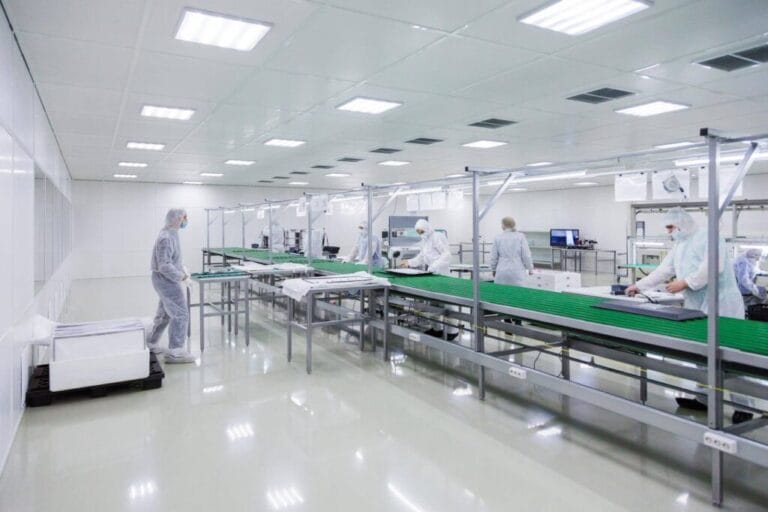
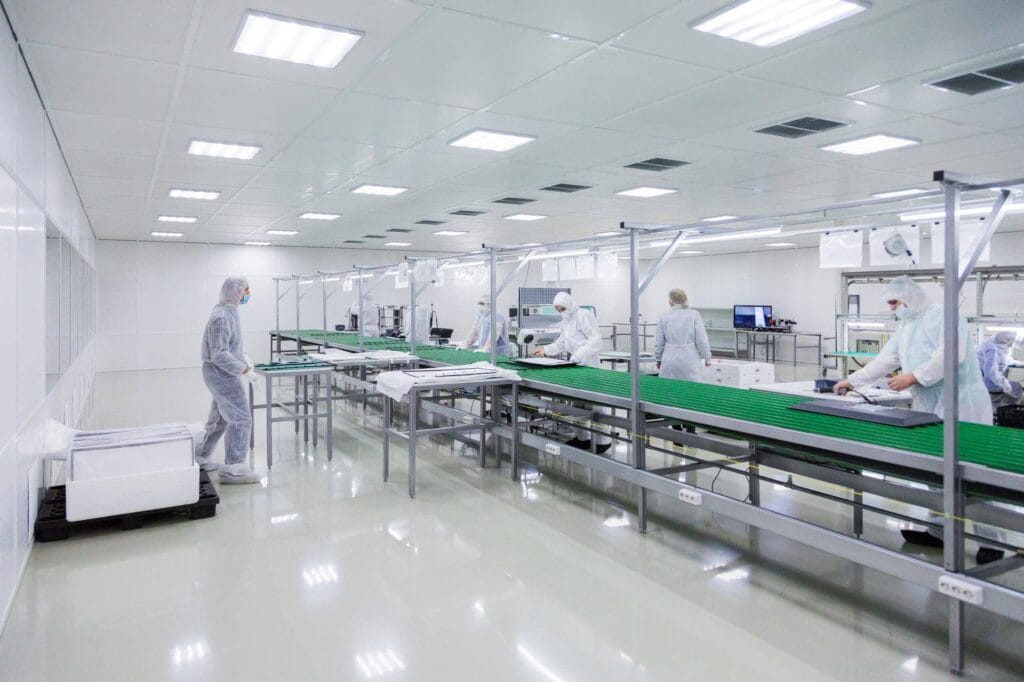
Effective medical device manufacturing facility design begins with a layout that supports the movement of materials, personnel and finished products. The infrastructure must also accommodate equipment requirements, inspection activities and the environmental conditions needed for the manufacturing process.
Important considerations include:
- Production layout: Organise assembly, processing, inspection, packaging and storage areas to support efficient workflows.
- Equipment planning: Allow suitable space for installation, operation, maintenance and future equipment additions.
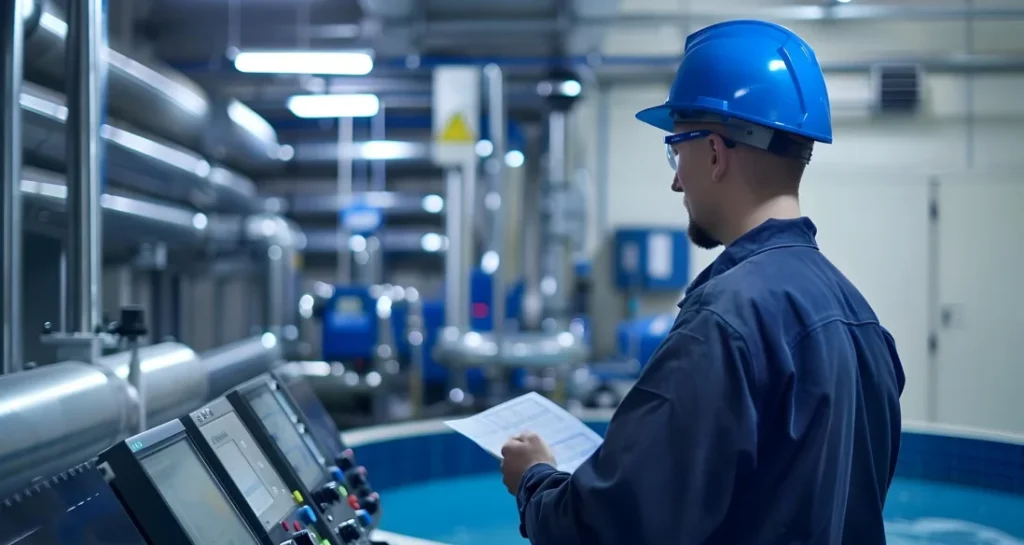
- Mechanical and electrical systems: Assess ventilation, temperature control, electrical loads, lighting and backup power requirements.
- Water and drainage: Plan services according to the actual process and the facility’s operational needs.
- Controlled environments: Determine whether cleanrooms or other environmental controls are required based on product characteristics, manufacturing processes and applicable standards.
- Safety and maintenance: Provide suitable access, emergency provisions and arrangements for equipment servicing.
An experienced MEP consultant can help coordinate building services with the facility layout and equipment specifications. These systems should be considered early, since changes to ventilation, electrical distribution or utility routes can affect both cost and construction schedules.
Cleanrooms are not necessary for every medical device manufacturing facility. Their need depends on factors such as sterility requirements, contamination risks, product specifications and applicable regulatory expectations.
For additional context on controlled environments, explore cleanroom design across pharmaceutical, semiconductor and solar facilities. Although requirements vary by industry, understanding how cleanroom design responds to different processes can help inform early facility discussions.
What Regulatory Requirements Should You Consider for Medical Device Manufacturing in India?
Regulatory planning should begin before the facility design is finalised. In India, medical devices are regulated under the applicable framework of the Medical Devices Rules, 2017, along with relevant amendments and requirements administered by the Central Drugs Standard Control Organisation (CDSCO) and other competent authorities, as applicable.
The precise requirements depend on the device category, risk classification, manufacturing activities and intended market. Businesses should confirm the approvals, licences and quality-system obligations relevant to their specific products rather than assuming that every medical device follows an identical process.
Facility planning should consider how the premises will support quality and operational controls, including:
- Appropriate production and storage arrangements.
- Suitable environmental conditions where required.
- Equipment installation, maintenance and testing.
- Material identification, handling and traceability.
- Inspection, quality control and documentation activities.
- Cleaning, waste management and personnel safety.
An engineering partner can help incorporate relevant facility requirements into the design process. Regulatory interpretation and product-specific compliance decisions should be confirmed with appropriately qualified regulatory professionals and the relevant authorities.
How Does Collabtec Help with Medical Device Plant Setup and Engineering?
Selecting an engineering partner is an important step in aligning facility design with manufacturing objectives. Collabtec brings a design and engineering perspective to industrial facility planning, helping businesses evaluate the infrastructure and coordination needs of their projects.
Depending on the agreed project scope, the following areas can be considered during planning:
- Integrated facility planning: Aligning the proposed layout with production workflows, equipment requirements and operational priorities.
- Engineering and utility coordination: Considering electrical, HVAC, plumbing and other building services alongside the facility layout.
- Cleanroom and environmental planning: Evaluating controlled-environment requirements based on the product, process and applicable standards.
- Project coordination: Identifying potential conflicts between design disciplines and coordinating requirements before they affect implementation.
- Scalable facility design: Considering future equipment additions, increased capacity and changes in manufacturing requirements.
Early coordination across these areas can help project owners make informed decisions about facility requirements, priorities and implementation. The exact services and responsibilities should be established according to the project brief.
With Collabtec, businesses can discuss their facility planning and engineering requirements to determine an appropriate approach for their proposed manufacturing project.
Planning a Medical Device Plant in India? Discuss Your Project with Collabtec
A well-planned medical device manufacturing facility brings production workflows, equipment, infrastructure and quality requirements together from the beginning. Choosing an engineering partner who understands these connections can help businesses make better-informed decisions throughout the planning process.
Collabtec can help you explore the design and engineering considerations relevant to your project. If you are planning a new facility or evaluating manufacturing infrastructure requirements, connect with Collabtec to discuss your project scope and the support needed to move forward.
#Pharma #Engineering #Biopharma #cGMP #GxP #Cleanroom #ProcessEngineering #FacilityDesign
#API #Biologics #SterileManufacturing #Engineering #Manufacturing #IndustrialEngineering #ProjectManagement #Construction #EPCM #LifeSciences #Nutraceuticals #Healthcare
#R&D #QualityControl #labs #warehouse #collabtec