Pharmaceutical Plant Design Consultants in Africa: How to Select a Project Partner
Setting up a pharmaceutical manufacturing facility in Africa requires careful planning, technical expertise and an understanding of the requirements of the country where the plant will operate. From selecting the right site to planning production areas, utilities and quality control systems, every decision can influence project costs, timelines and long-term operational efficiency.
Choosing experienced pharmaceutical plant design consultants in Africa can help businesses coordinate these requirements before construction begins. The right project partner should understand pharmaceutical manufacturing processes, applicable regulatory expectations and the engineering systems needed to support a functional facility.
For companies evaluating their options, Collabtec offers a starting point for exploring pharmaceutical facility planning and engineering support for projects in Africa.
What Should You Consider Before Setting Up a Pharmaceutical Plant in Africa?
A pharmaceutical plant should be designed around the products it will manufacture, its intended production capacity and the markets it plans to serve. A facility producing tablets, capsules, sterile products or liquid formulations may have very different space, environmental control and utility requirements.
Before starting the design process, project owners should evaluate several factors:
- Product and process requirements: Identify the dosage forms, manufacturing stages, equipment and production volumes the facility must support.
- Site and infrastructure: Assess land suitability, transport access, electricity reliability, water availability, drainage and other essential services.
- Regulatory requirements: Identify the national approvals and applicable Good Manufacturing Practice (GMP) requirements relevant to the intended products and markets.
- Budget and timeline: Account for design, construction, equipment, utilities, validation and commissioning rather than focusing only on building costs.
- Future expansion: Consider whether the facility can accommodate additional production lines or changes in manufacturing capacity.
Because regulatory frameworks and infrastructure conditions differ across African countries, project requirements should be assessed for the specific location. Businesses can also explore pharmaceutical plant setup in Africa and efficient facility design to understand the broader planning considerations.
What Do Pharmaceutical Plant Design Consultants in Africa Bring to a Project?
An experienced pharma engineering consultant helps translate manufacturing requirements into a coordinated facility design. This involves more than preparing architectural drawings; the team must consider how production processes, equipment, utilities, personnel and materials will work together.
Key responsibilities may include facility layout development, equipment planning, engineering coordination, utility design and support during project implementation. Depending on the agreed scope, consultants may also assist with procurement coordination, construction oversight and commissioning.
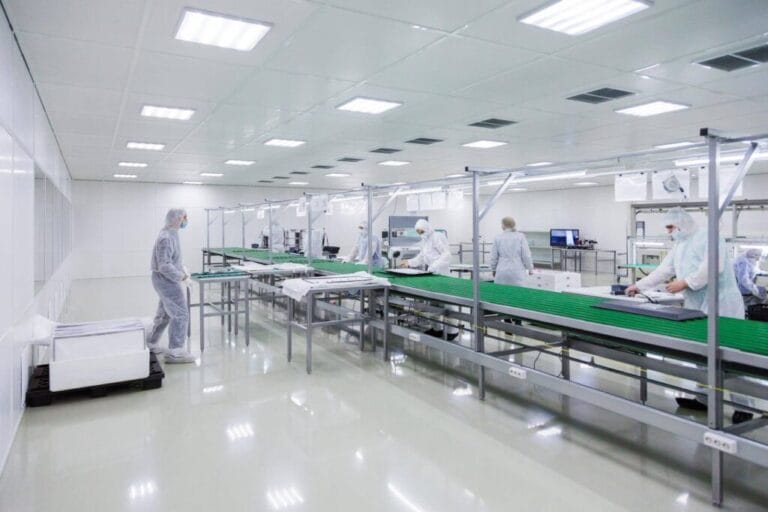
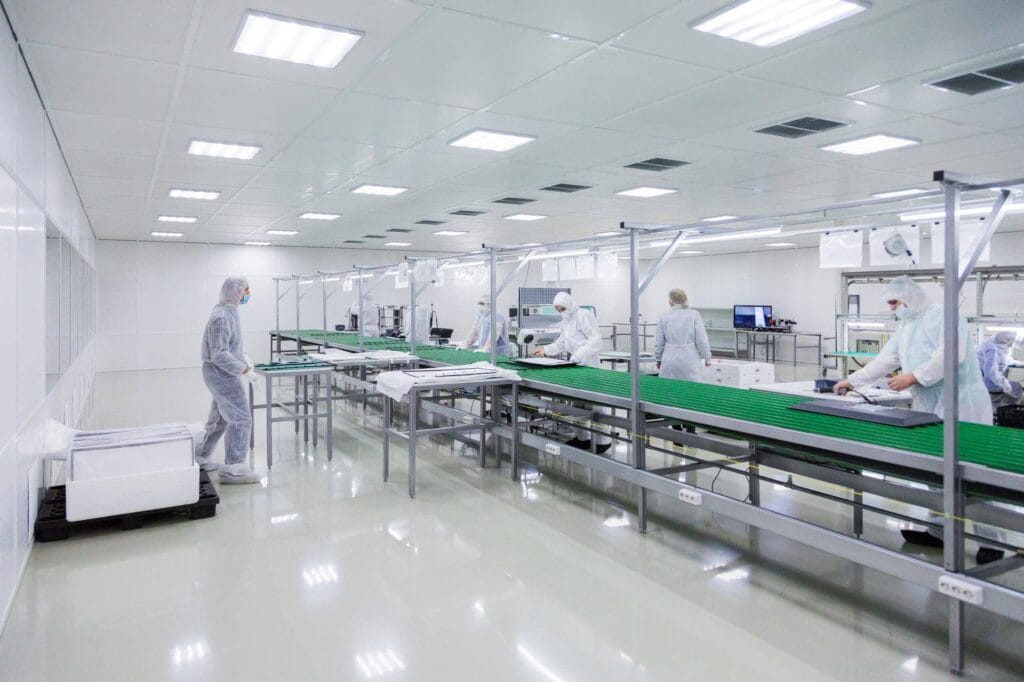
Effective pharmaceutical facility design should consider the movement of raw materials, personnel, in-process materials and finished products. Suitable zoning and workflow planning can help reduce unnecessary movement, support cleaning procedures and minimise the risk of cross-contamination.
Engineering coordination is equally important. HVAC systems, electrical distribution, water systems, drainage and other utilities should be planned according to the facility’s actual manufacturing processes and equipment requirements.
When evaluating a project partner, ask how the team coordinates these disciplines and identifies design issues before they affect construction. You can also review utility planning in pharmaceutical facilities to understand why service requirements need to be considered early in the design process.
How Do You Choose the Right Pharma Engineering Partner in Africa?
Selecting a pharma engineering firm requires evaluating its technical capabilities, project approach and ability to coordinate with the stakeholders involved. A consultant may have strong architectural expertise, but pharmaceutical projects also require an understanding of production workflows, utilities, quality requirements and engineering interfaces.
Consider the following when comparing potential partners:
- Relevant experience: Look for experience with pharmaceutical or similarly regulated manufacturing facilities and projects comparable to yours.
- Technical coordination: Check how the team integrates architectural design, process requirements, MEP systems and equipment layouts.
- Regulatory awareness: Confirm that the consultant can identify the applicable national requirements and coordinate with qualified local specialists where needed.
- Project communication: Establish how design changes, project milestones, risks and responsibilities will be managed.
- Scope clarity: Confirm which services are included, what the client must provide and who is responsible for approvals, procurement and implementation.
A reliable pharma project partner in Africa should also explain the assumptions behind its proposed design, identify project dependencies and communicate potential constraints early.
Collabtec approaches industrial facility planning through an integrated design and engineering perspective, helping businesses evaluate the technical requirements that shape their projects. When assessing any consultant, ensure the proposed scope matches your facility’s specific needs rather than relying on general capability statements alone.
How Can You Plan a GMP-Compliant Pharmaceutical Facility for African Markets?
GMP considerations should be addressed during the early design stages rather than treated as a final inspection requirement. The applicable expectations depend on the country, product category, intended markets and relevant regulatory authorities.
A GMP-compliant pharmaceutical facility may require carefully planned production zones, suitable environmental controls, appropriate material and personnel flows, cleanable surfaces and defined arrangements for storage and waste handling. Requirements will vary depending on whether the plant manufactures non-sterile products, sterile medicines or other pharmaceutical products.
Project teams should also assess:
- HVAC and environmental control requirements for relevant production areas.
- Water quality and other utility specifications based on the manufacturing process.
- Equipment placement, maintenance access and cleaning requirements.
- Separation of activities where contamination or mix-ups could occur.
- Documentation, quality control and operational support areas.
The facility design should be reviewed against the applicable national regulations and relevant GMP framework before major construction decisions are finalised. Where necessary, local regulatory specialists should help confirm approval pathways and country-specific requirements.
For a practical reference during early planning, explore Collabtec’s GMP facility design checklist for pharmaceutical manufacturing projects. It can complement project-specific reviews, but should not replace advice on the regulations applicable to the target country.
EPCM vs Turnkey: Which Project Delivery Model Is Right for Your Pharma Plant?
The project delivery model affects how responsibilities, procurement, coordination and execution are managed. Two common approaches to consider are Engineering, Procurement and Construction Management (EPCM) and turnkey delivery.
With an EPCM Consultant, the client generally retains greater involvement in procurement and construction contracts, while the consultant coordinates engineering and project management services according to the agreed scope. This can offer flexibility but requires the client to remain actively involved in key decisions and interfaces.
A Turnkey Project Consultant typically coordinates a more integrated delivery scope, with the exact responsibilities depending on the contract. This may simplify coordination for the client, but the project scope, exclusions, acceptance criteria and change-order terms must be clearly defined.
Neither model is automatically better. The right choice depends on the client’s internal expertise, desired level of control, risk allocation, budget and project complexity.
Before deciding, review EPCM vs turnkey models for pharmaceutical projects to compare their responsibilities and potential advantages in greater detail.
Planning a Pharmaceutical Plant in Africa? Partner with Collabtec
Selecting the right project partner can help bring facility design, engineering requirements, regulatory considerations and execution planning together from the beginning. A structured approach also makes it easier to identify constraints before they lead to expensive changes.
Collabtec can help businesses explore the design and engineering considerations involved in pharmaceutical facility projects. If you are planning a new plant or evaluating an existing facility, connect with Collabtec’s pharmaceutical plant setup team in Africa to discuss your project requirements and the support appropriate to your scope.
#Pharma #Engineering #Biopharma #cGMP #GxP #Cleanroom #ProcessEngineering #FacilityDesign
#API #Biologics #SterileManufacturing #Engineering #Manufacturing #IndustrialEngineering #ProjectManagement #Construction #EPCM #LifeSciences #Nutraceuticals #Healthcare
#R&D #QualityControl #labs #warehouse #collabtec