Pharmaceutical Plant Setup in Africa: How Pharma Engineering Consultants Ensure Efficient Facility Design
Africa’s pharmaceutical manufacturing sector is gaining attention as countries across the continent look to strengthen local medicine production, improve supply-chain resilience, and reduce dependence on imported pharmaceutical products. This growth is creating opportunities for companies planning new manufacturing facilities as well as those looking to expand or modernize existing plants.
However, pharmaceutical plant setup in Africa involves more than selecting a site and installing production equipment. Local infrastructure, utilities, regulatory expectations, climate, logistics, workforce requirements, and GMP considerations all need to be addressed during facility planning.
This is where experienced pharma engineering consultants can add significant value. By coordinating process requirements with architecture, MEP, utilities, cleanrooms, and facility infrastructure, consultants can help create pharmaceutical facilities that are efficient, compliant, and prepared for future growth.
What Are the Key Considerations for Pharmaceutical Plant Setup in Africa?
Every pharmaceutical project has different production requirements, but facilities in Africa can face additional planning considerations related to infrastructure, logistics, utilities, and local operating conditions.
1. Market and Production Requirements
The first step is defining what the facility will manufacture and at what capacity. Tablets, capsules, liquids, injectables, biological products, and other pharmaceutical products can have significantly different facility and utility requirements.
The production strategy determines the required manufacturing areas, equipment, warehouses, quality-control laboratories, personnel facilities, and support infrastructure.
2. Site Selection and Infrastructure
Site selection should consider access to roads, ports, airports, raw materials, utilities, skilled workers, and distribution networks.
The availability and reliability of electricity, water, telecommunications, waste management, and other infrastructure should also be assessed before finalizing the site.
3. Regulatory and GMP Requirements
A pharmaceutical facility must be designed around applicable national regulations and the standards required for its target markets. GMP principles should be incorporated from the early design stages rather than addressed after construction.
This includes appropriate zoning, material and personnel movement, contamination control, environmental conditions, cleaning requirements, documentation, and quality-control provisions.
4. Climate and Environmental Conditions
Africa includes a wide range of climatic conditions. Temperature, humidity, dust, water availability, and local environmental conditions can influence HVAC design, building envelope requirements, equipment selection, storage conditions, and utility planning.
Therefore, pharmaceutical facility design should be adapted to the specific location rather than relying on a standard facility template.
How Do Pharma Engineering Consultants Plan Efficient Pharmaceutical Facilities in Africa?
An experienced Pharma engineering consultant begins by understanding the manufacturing process and translating it into a functional facility layout.
The objective is to ensure that the building supports production instead of creating unnecessary movement, congestion, or operational bottlenecks.
– Process and Facility Zoning
Different activities should be appropriately separated according to their function and contamination-control requirements. Production, raw-material storage, packaging, quality control, utilities, personnel areas, and finished-goods storage should be organized around the manufacturing process.
– Material and Personnel Flow
Material and personnel movement should be planned carefully. Unnecessary crossing of raw materials, personnel, waste, and finished products can increase operational and contamination risks.
A well-planned layout creates logical movement routes while maintaining the required segregation between different areas.
– Equipment Planning
Equipment footprints, operating clearances, maintenance access, utility connections, and future replacement requirements should be considered before finalizing the layout.
This is particularly important for facilities expecting automation or future capacity expansion.
– Future Expansion
Pharmaceutical manufacturing requirements can change as demand grows. A scalable facility design can reserve space and utility capacity for additional production lines, warehouses, laboratories, or support systems.
Good pharmaceutical facility design by Collabtec therefore considers not only the initial production capacity but also the company’s longer-term manufacturing strategy.
What Engineering & Utility Systems Are Essential for African Pharma Manufacturing Plants?
Utilities are critical to pharmaceutical manufacturing. A facility can have an excellent production layout but still experience operational problems if its utility infrastructure is inadequate or unreliable.
A pharmaceutical plant engineering approach typically evaluates the following systems.
1. HVAC and Environmental Control
HVAC systems play an important role in controlling temperature, humidity, pressure relationships, ventilation, and filtration where required.
The design should reflect the specific process and environmental requirements of each area rather than applying identical conditions throughout the facility.
2. Electrical Infrastructure
Reliable power is particularly important for pharmaceutical manufacturing. Electrical design should consider production equipment, HVAC systems, laboratories, lighting, automation, storage, utilities, and emergency requirements.
Where local grid reliability is a concern, the facility may require appropriate backup and power-management strategies.
3. Water and Process Utilities
Water systems should be planned according to manufacturing and cleaning requirements. Depending on the products and processes involved, facilities may require treated or purified water systems and appropriate storage and distribution arrangements.
4. Cleanrooms and Controlled Environments
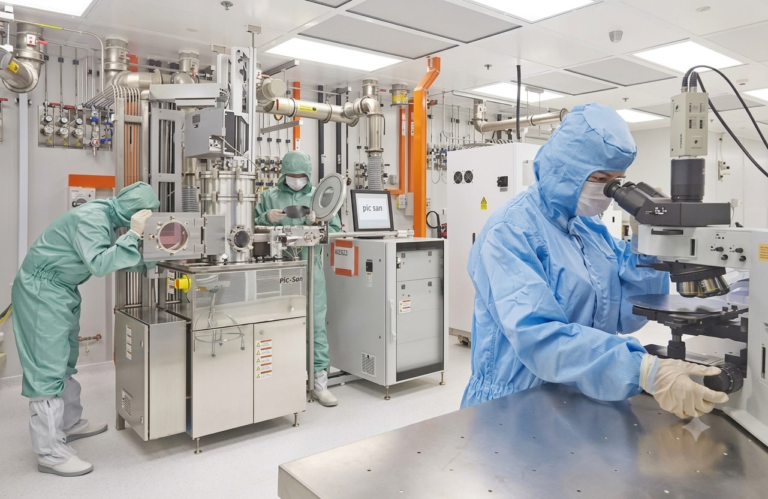
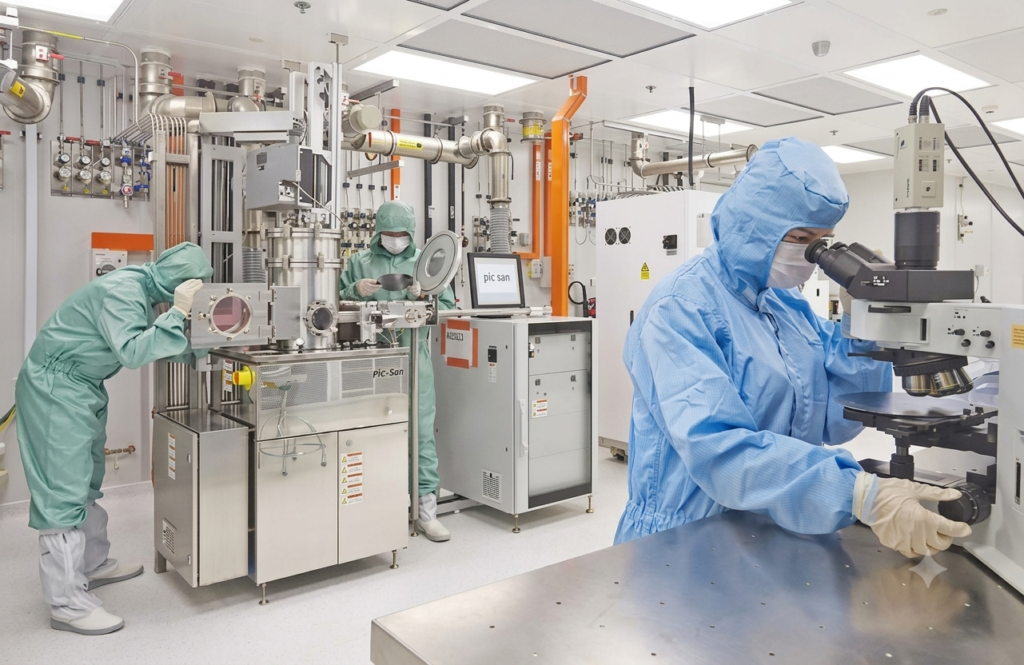
Where the manufacturing process requires controlled environments, cleanroom design should address airflow, pressure differentials, filtration, materials, cleaning, personnel movement, and environmental monitoring.
A Clean Room Consultant can help integrate these requirements into the overall facility design.
5. Fire, Safety and Waste Management
Fire protection, emergency access, evacuation routes, occupational safety, hazardous-material handling, and pharmaceutical waste management should be considered during the initial design stage.
How Does GMP-Compliant Facility Design Improve Pharmaceutical Manufacturing in Africa?
GMP-oriented design helps create a manufacturing environment where product quality and contamination control are considered throughout the facility.
Instead of treating GMP compliance as a checklist at the end of construction, the design should incorporate quality and operational requirements from the beginning.
Key considerations include:
- Appropriate segregation and zoning
- Controlled personnel and material movement
- Suitable environmental conditions
- Cleanable and maintainable surfaces
- Adequate storage arrangements
- Logical production workflows
- Appropriate HVAC and utility systems
- Quality-control and testing facilities
- Cleaning and sanitation provisions
- Documentation and validation considerations
A facility designed around these principles can support more consistent operations and make future qualification, validation, and regulatory readiness more manageable.
Why Hire a Pharma Engineering Consultant for Pharmaceutical Plant Setup in Africa?
A pharmaceutical manufacturing facility involves multiple disciplines that need to work together. Architecture, process engineering, structural design, HVAC, electrical systems, plumbing, utilities, cleanrooms, fire protection, and production equipment cannot be planned independently.
This is where a Pharma engineering consultant provides value.
An integrated Engineering Consultant can coordinate:
- Process and equipment planning
- Architectural and structural design
- MEP engineering
- Cleanroom planning
- HVAC and utility systems
- Warehouse and material-flow planning
- Regulatory and GMP considerations
- Construction and installation coordination
- Commissioning and project readiness
- Future expansion planning
An Industrial Architect can ensure that the building layout supports manufacturing workflows, while a Plant Engineering Consultant can coordinate the technical infrastructure required to operate the facility.
For larger projects, companies may also consider an EPCM Consultant or Turnkey Project Consultant, depending on the selected project delivery model and the level of design, procurement, construction, and execution support required.
The right consulting approach can help identify design conflicts early, improve coordination between disciplines, and reduce the risk of expensive changes during construction.
Planning a Pharmaceutical Plant in Africa? Partner With Collabtec’s Pharma Engineering Experts
Successful pharmaceutical plant setup in Africa requires a combination of process understanding, engineering expertise, regulatory awareness, and practical facility planning.
Collabtec provides integrated architecture and engineering support for pharmaceutical and other regulated manufacturing environments. Its multidisciplinary capabilities cover facility planning, cleanrooms, laboratories, MEP, utilities, warehouses, and plant engineering.
Whether a project involves a new pharmaceutical manufacturing facility, expansion of an existing plant, or modernization of production infrastructure, early engineering involvement can help create a facility that is efficient, scalable, and aligned with manufacturing objectives.
Planning a pharmaceutical manufacturing facility in Africa? Partner with Collabtec’s pharma engineering experts to develop a practical, future-ready facility designed around your production and compliance requirements.
#Pharma #Engineering #Biopharma #cGMP #GxP #Cleanroom #ProcessEngineering #FacilityDesign
#API #Biologics #SterileManufacturing #Engineering #Manufacturing #IndustrialEngineering #ProjectManagement #Construction #EPCM #LifeSciences #Nutraceuticals #Healthcare
#R&D #QualityControl #labs #warehouse #collabtec