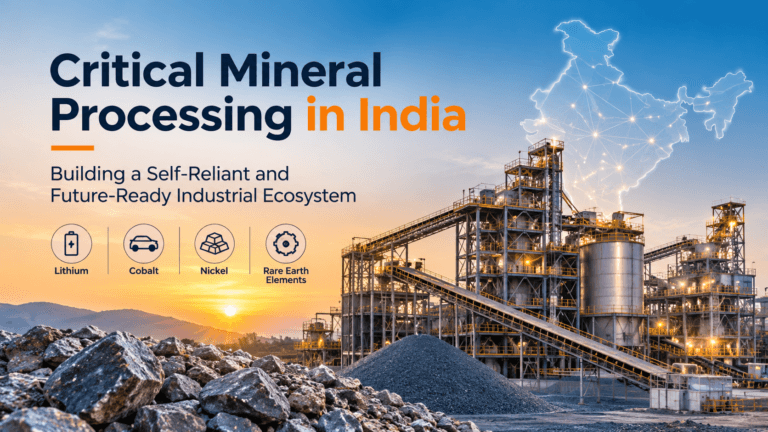
Critical Mineral Processing in India: The Role of Plant Engineering and EPCM Consultants
India’s transition towards electric mobility, renewable energy, advanced electronics and defence manufacturing is increasing the demand for critical minerals such as lithium, nickel and cobalt. These minerals are essential for manufacturing lithium-ion batteries, energy storage systems, electronic components and several advanced industrial technologies. However, India’s dependence on imported refined materials highlights the need to strengthen domestic processing capabilities.
Recognising this requirement, the Union Cabinet approved the ₹2,814 crore Capex Support Scheme to Promote Critical Mineral Processing in November 2026. The scheme aims to encourage domestic processing infrastructure through capital subsidies for setting up lithium and nickel processing facilities, with cobalt recovery also expected from nickel processing.
While government incentives can encourage investment, establishing these facilities requires more than financial support. It involves careful infrastructure planning, engineering coordination, utility integration and effective project execution. This is where Plant Engineering, Engineering Consultants and EPCM Consultants become important in developing India’s critical mineral processing infrastructure.
Why Does India Need Advanced Critical Mineral Processing Infrastructure?
Critical minerals play an important role in India’s industrial and technological development. Lithium, nickel and cobalt are widely used in battery manufacturing, electric vehicles, renewable energy storage, electronics and defence applications.
Despite growing demand, India remains substantially dependent on imports for refined intermediates and high-purity materials. Developing domestic processing facilities can help address this gap by increasing local value addition, improving supply chain resilience and reducing exposure to international supply disruptions.
The recently approved government scheme provides 30% capital subsidy on eligible investments for establishing four processing plants: two lithium processing facilities and two nickel processing facilities. The initiative will operate from FY 2026–27 to FY 2030–31.
This development creates opportunities for industrial infrastructure investment. However, processing facilities require specialised layouts, coordinated building services, appropriate utilities, environmental considerations and well-planned operational areas.
Businesses entering this sector must consider these requirements during the initial project planning stage. Engaging an experienced Engineering Consultant can help translate project requirements into practical infrastructure plans while considering investment, operational efficiency and future expansion.
What Goes into Planning a Critical Mineral Processing Plant?
Setting up a critical mineral processing facility involves several interconnected engineering and infrastructure requirements. Unlike conventional industrial buildings, these facilities must accommodate specialised equipment, material movement, utility systems and operational safety requirements.
Some important considerations include:
- Site Selection and Master Planning
The location of a processing facility influences logistics, raw material availability, transportation, utilities and future expansion. Industrial master planning helps organise production areas, storage facilities, administrative spaces, internal roads and supporting infrastructure.
- Architectural and Civil Engineering
An effective industrial layout must accommodate equipment dimensions, structural loads, material handling systems and operational workflows. An experienced Industrial Architect considers these requirements while developing functional and adaptable facility layouts.
- MEP Engineering and Utility Planning
Mechanical, Electrical and Plumbing (MEP) systems are essential for supporting industrial operations. Power distribution, ventilation, HVAC, water supply, drainage, fire protection and other utility requirements must be planned according to the facility’s technical specifications.
- Safety and Environmental Considerations
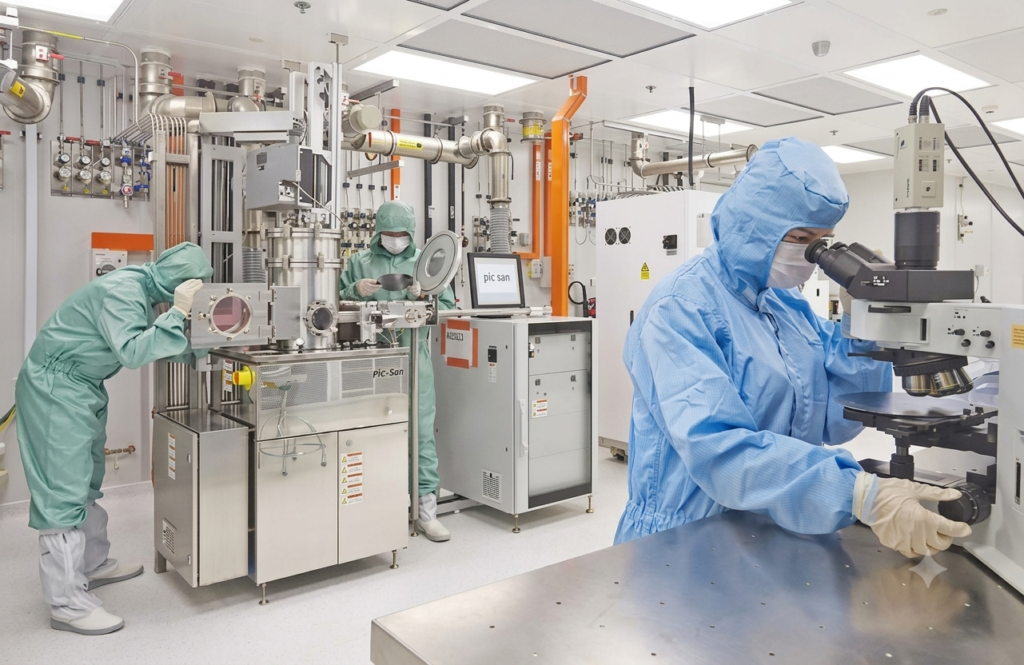
Mineral processing facilities may involve chemicals, heat, dust and industrial waste. Therefore, engineering plans should account for appropriate ventilation, fire and life safety systems, waste management infrastructure and applicable environmental requirements.
These elements must be coordinated from the beginning to avoid design conflicts, infrastructure gaps and unnecessary project modifications during construction.
How Do Plant Engineering and EPCM Consultants Support These Projects?
Developing a large industrial facility requires coordination between multiple engineering disciplines, contractors, equipment suppliers and project stakeholders. A structured project delivery approach helps maintain technical consistency, cost control and execution timelines.
A Plant Engineering Consultant supports the development of industrial facilities through different stages of the project lifecycle.
Front-End Engineering Design (FEED): FEED establishes the technical foundation of a project. It includes site master planning, conceptual layouts, equipment planning, utility estimation and preliminary engineering assessments. This stage helps define project requirements before detailed design and construction begin.
Detailed Engineering: Once the initial plans are established, detailed engineering covers architectural, civil, structural, mechanical, electrical, HVAC, piping and utility systems. Coordinating these disciplines helps ensure that the proposed infrastructure supports the facility’s operational requirements.
MEP Coordination: Industrial facilities depend on properly integrated building services. An experienced MEP Consultant helps coordinate electrical infrastructure, ventilation, HVAC, plumbing, fire safety and other essential systems to support efficient facility operations.
EPCM Project Management: An EPCM Consultant coordinates Engineering, Procurement and Construction Management activities. This includes technical documentation, vendor coordination, procurement assistance, construction monitoring, budget control and project progress management.
An integrated EPCM approach can improve communication between project stakeholders, reduce execution gaps and provide better visibility across project milestones.
For businesses seeking a more consolidated delivery model, a Turnkey Project Consultant can also coordinate design, engineering, procurement, construction and commissioning under a single project delivery framework, depending on the agreed scope.
Building Future-Ready Industrial Facilities with Integrated Engineering
The success of a critical mineral processing facility depends not only on its initial construction but also on how efficiently it performs throughout its operational life.
Infrastructure should be designed with future production requirements, maintenance accessibility, energy consumption and expansion possibilities in mind. Sustainable design strategies and efficient utility planning can also contribute to optimised capital and operational expenditure.
Digital engineering tools, including Building Information Modelling (BIM), can further improve coordination between architectural and engineering disciplines. Early identification of design clashes helps minimise rework and supports smoother project execution.
At Collabtec, an integrated approach brings together architecture, engineering and project management to support industrial infrastructure development. Its capabilities include advisory services, FEED, detailed engineering, MEP design, procurement and construction management, and qualification and validation services.
With experience across chemicals, cleantech, pharmaceuticals, biotechnology and other industrial sectors, Collabtec supports businesses in developing functional, efficient and future-ready facilities. The same integrated engineering principles are relevant when planning complex industrial infrastructure for emerging manufacturing sectors.
Partner with Collabtec for Industrial Plant Engineering and Project Execution
India’s growing focus on domestic critical mineral processing represents an important opportunity for industrial development. Turning this opportunity into operational facilities requires the right combination of technical planning, engineering expertise and project management.
Whether you are exploring a new industrial facility, planning infrastructure expansion or evaluating an upcoming manufacturing project, Collabtec can support your requirements through integrated architecture, Plant Engineering, EPCM Consulting and Turnkey Project Services.
Connect with Collabtec to discuss your industrial infrastructure requirements and plan your next project with an integrated engineering approach.
#Pharma #Engineering #Biopharma #cGMP #GxP #Cleanroom #ProcessEngineering #FacilityDesign
#API #Biologics #SterileManufacturing #Engineering #Manufacturing #IndustrialEngineering #ProjectManagement #Construction #EPCM #LifeSciences #Nutraceuticals #Healthcare
#R&D #QualityControl #labs #warehouse #collabtec