CPHI & PMEC India 2026: Finding the Right Partner for Pharma Facility Design and Engineering
The pharmaceutical industry continues to evolve, creating demand for manufacturing facilities that support quality, operational efficiency and changing production requirements. For pharmaceutical manufacturers, investors and project developers, CPHI & PMEC India 2026 offers an opportunity to explore developments across pharmaceutical ingredients, processing equipment, packaging technologies and related manufacturing solutions.
Scheduled for November 2026, CPHI India and PMEC India will take place at separate venues in Delhi NCR. CPHI India is scheduled for 23–25 November at India International Convention & Expo Centre (IICC), Yashobhoomi, Dwarka, while PMEC India is scheduled for 24–26 November at India Expo Centre & Mart (IEML), Greater Noida.
Beyond exploring products and technologies, pharmaceutical businesses can use industry events to assess their future facility requirements and identify suitable engineering partners. Selecting the right partner early can help align pharma facility design and engineering with production goals, infrastructure needs and applicable quality requirements.
What Can Pharmaceutical Manufacturers Explore at CPHI & PMEC India 2026?
CPHI India focuses on pharmaceutical ingredients, formulations, excipients and related solutions across the pharmaceutical supply chain. PMEC India places greater emphasis on pharmaceutical machinery, processing and packaging equipment, laboratory technology and other manufacturing solutions.
Together, these events provide a useful context for businesses evaluating technology and infrastructure decisions for pharmaceutical projects.
Manufacturers planning a new facility or upgrading an existing plant can use industry discussions to explore:
- Manufacturing technology: Identify equipment and process solutions relevant to the intended product range.
- Production efficiency: Explore technologies that may improve workflow, capacity utilisation and operational consistency.
- Quality requirements: Understand how equipment, environmental controls and process design support applicable quality expectations.
- Facility infrastructure: Assess the utility, space and engineering requirements associated with proposed technologies.
- Project planning: Consider how equipment selection influences layouts, implementation timelines and future expansion.
These considerations are particularly important when planning a pharmaceutical manufacturing facility because equipment decisions affect the building layout, utilities and operational workflow.
What Should You Consider Before Planning a Pharmaceutical Manufacturing Facility?
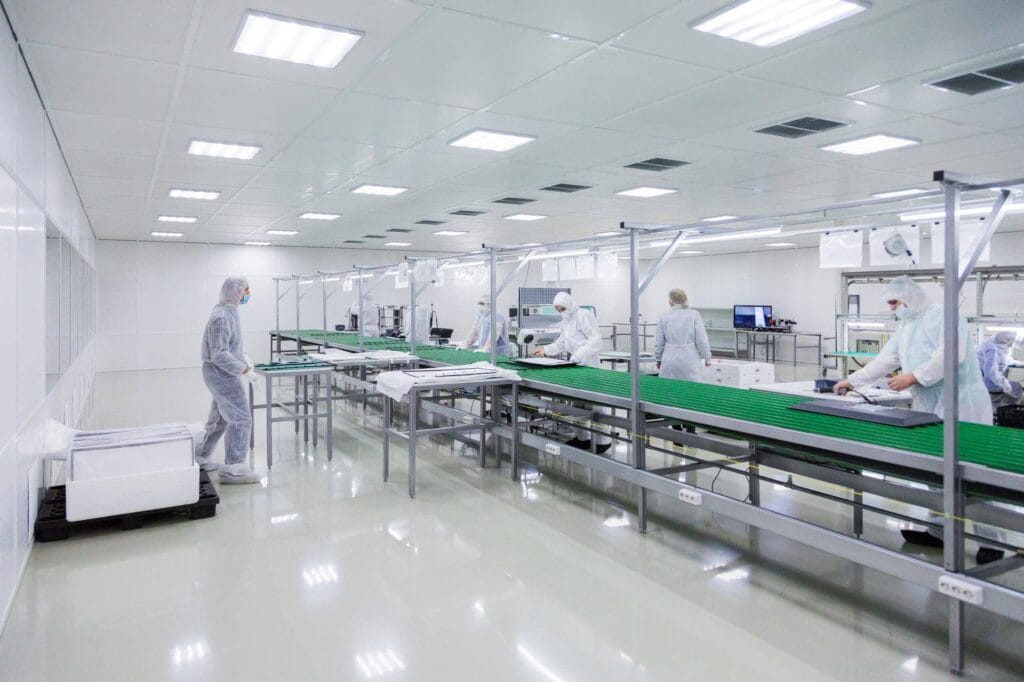
Effective pharmaceutical facility design begins with the manufacturing process, not simply the available floor space. A facility producing tablets and capsules may have different requirements from one manufacturing sterile products, injectables or liquid formulations.
Before finalising a project brief, businesses should assess several important factors.
- Production capacity and workflow: Define the product range, expected output, manufacturing stages and material movement. The layout should support efficient operations while considering the separation of activities where necessary.
- Utilities and infrastructure: Determine requirements for HVAC, electrical distribution, water systems, drainage and other services based on the process and equipment specifications.
- GMP considerations: Identify the applicable Good Manufacturing Practice requirements and incorporate relevant provisions into the facility design from the beginning.
- Site and expansion planning: Evaluate infrastructure availability, accessibility, operational constraints and the potential to accommodate future production lines.
- Budget and project timeline: Consider design, construction, equipment installation, testing and commissioning when estimating overall project requirements.
A structured approach to these decisions helps businesses identify dependencies before construction begins. For a practical planning reference, explore the GMP facility design checklist for pharmaceutical manufacturing projects.
How Do You Choose the Right Pharma Facility Design and Engineering Partner?
Choosing a pharma engineering firm involves more than comparing quotations. The right partner should understand the relationship between manufacturing processes, facility layouts, building services and project execution.
When evaluating pharma engineering consultants in India, consider the following:
- Relevant project experience: Assess experience with pharmaceutical or comparable regulated manufacturing facilities and projects of a similar scale.
- Technical capabilities: Understand how the team approaches architectural planning, equipment layouts, utilities and engineering coordination.
- Regulatory awareness: Confirm how applicable GMP requirements and local approvals will be considered, with specialist support where necessary.
- Scope and accountability: Clarify responsibilities for design, procurement coordination, construction management and commissioning.
- Communication and coordination: Evaluate how the consultant manages design reviews, changes, project dependencies and stakeholder communication.
Ask prospective partners how they identify engineering conflicts, coordinate equipment requirements and manage changes during implementation. These discussions can reveal whether the proposed approach aligns with the project’s complexity and the client’s internal capabilities.
Collabtec brings a design and engineering perspective to industrial facility planning, helping businesses evaluate the infrastructure, layout and coordination requirements relevant to their projects.
What Should You Discuss with a Pharma Engineering Consultant Before Starting a Project?
Before appointing a pharma plant setup consultant, prepare a clear set of questions about the proposed facility and the services required. This helps establish expectations before design and implementation activities begin.
Consider discussing:
- What does the project scope include? Clarify whether the engagement covers facility planning, architectural design, engineering coordination, procurement support or construction management.
- How will utilities and equipment requirements be integrated? Confirm how equipment specifications, electrical loads, HVAC needs and other services will inform the design.
- How will applicable GMP requirements be addressed? Discuss how quality and regulatory considerations will be incorporated and which specialists will be involved.
- How will project changes be managed? Establish procedures for design approvals, changes in equipment specifications, cost implications and timeline adjustments.
- What project delivery model is appropriate? Evaluate whether EPCM or turnkey delivery better suits the project scope, client resources and preferred level of control.
For a deeper comparison, read EPCM vs turnkey models for pharmaceutical projects. Understanding the differences can help businesses clarify responsibilities and make more informed decisions.
How Can Collabtec Support Pharmaceutical Facility Design and Engineering?
The right engineering partner helps connect a facility’s operational goals with practical design and infrastructure decisions. Collabtec can work with businesses to evaluate relevant planning and engineering considerations within the agreed project scope.
Key areas to discuss include:
- Integrated facility planning: Aligning layout decisions with production workflows, equipment requirements and operational priorities.
- Engineering coordination: Considering building services and utility requirements alongside architectural and equipment planning.
- GMP-focused design considerations: Identifying facility requirements that need to be addressed in coordination with the applicable regulatory framework.
- Project coordination: Helping align design disciplines and stakeholder requirements to identify potential conflicts early.
- Future-readiness: Considering expansion needs, additional equipment and changes in production capacity during planning.
These considerations help project owners develop a clearer understanding of the facility requirements before committing to major implementation decisions. The appropriate scope depends on the project’s objectives, technical complexity and responsibilities agreed with the engineering partner.
Planning a Pharmaceutical Facility? Connect with Collabtec
Industry events can help pharmaceutical businesses explore new technologies, but translating those ideas into a functional manufacturing facility requires careful planning and engineering coordination.
Collabtec can help businesses discuss their pharmaceutical facility design and engineering requirements, from early planning considerations to the infrastructure needed to support manufacturing operations.
If you are evaluating a new plant, expanding production capacity or reviewing facility requirements, connect with Collabtec to discuss your project scope and determine the next steps.
#Pharma #Engineering #Biopharma #cGMP #GxP #Cleanroom #ProcessEngineering #FacilityDesign
#API #Biologics #SterileManufacturing #Engineering #Manufacturing #IndustrialEngineering #ProjectManagement #Construction #EPCM #LifeSciences #Nutraceuticals #Healthcare
#R&D #QualityControl #labs #warehouse #collabtec