From Concept to Commissioning: Medical Device Manufacturing Plant Setup in India
India’s medical device industry is witnessing significant growth, driven by increasing healthcare requirements, technological advancements and the government’s focus on strengthening domestic manufacturing. From diagnostic equipment and surgical instruments to implants and medical electronics, the demand for reliable medical devices is creating new opportunities for manufacturers and investors.
However, establishing a manufacturing facility involves much more than installing production equipment. A successful Medical Device Manufacturing Plant Setup in India requires detailed planning, specialised facility design, engineering coordination, regulatory considerations and structured project execution.
From selecting the right site to commissioning the completed facility, every stage influences operational efficiency, product quality and long-term scalability. Working with experienced engineering partners and EPCM consultants can help manufacturers manage these requirements through an integrated project approach.
Why Is India Emerging as a Medical Device Manufacturing Hub?
India is becoming an important destination for medical device manufacturing due to its expanding healthcare sector, skilled workforce, growing domestic demand and supportive government initiatives.
The government’s Production Linked Incentive (PLI) Scheme for Medical Devices and the development of dedicated medical device parks are encouraging investment in domestic manufacturing capabilities. These initiatives aim to strengthen local production, reduce import dependency and support the development of advanced medical technologies.
For manufacturers, this growth presents opportunities across several product categories, including:
- Diagnostic and imaging equipment
- Surgical instruments and medical consumables
- Orthopaedic and implantable devices
- Patient monitoring systems
- Electronic and digital healthcare devices
As manufacturing requirements become more specialised, businesses need facilities that support precision, quality control, safety and consistent production. This makes Medical Device Manufacturing Plant Design an important part of the investment process.
A well-planned facility should accommodate current production requirements while allowing flexibility for new product lines, technological upgrades and future capacity expansion.
What Are the Key Requirements for Setting Up a Medical Device Manufacturing Plant in India?
A medical device manufacturing facility must be designed around the nature of the products being manufactured, their production processes and applicable regulatory requirements. Each facility may have different infrastructure needs depending on its product category and risk classification.
Some important considerations include:
- Site Selection and Facility Master Planning
Selecting an appropriate industrial location is the first step. Manufacturers should evaluate land availability, connectivity, workforce access, utilities, logistics and opportunities for future expansion.
An experienced Industrial Architect can help develop a facility master plan that organises production areas, warehouses, administrative spaces, testing laboratories and supporting infrastructure.
- Production Layout and Workflow Planning
The manufacturing layout should support smooth movement of raw materials, components, personnel and finished products. Proper zoning and workflow planning can reduce unnecessary movement, minimise cross-contamination risks and improve operational efficiency.
- Cleanroom Design and Controlled Environments
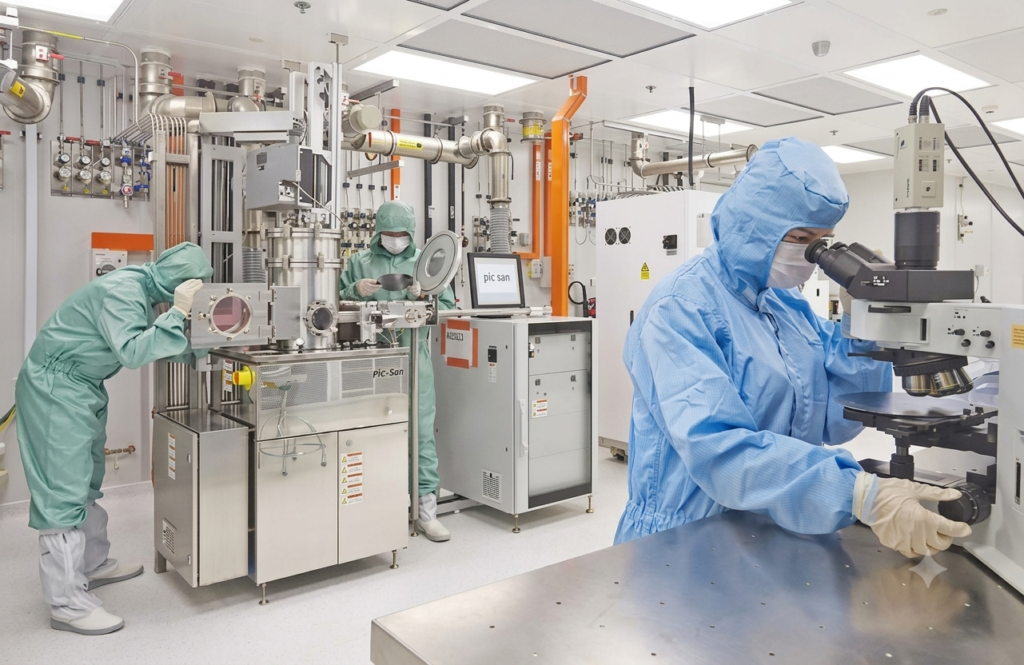
Certain medical devices, particularly sterile products and contamination-sensitive components, require controlled manufacturing environments. Depending on the product and process, cleanrooms may need specific air quality, temperature, humidity and pressure conditions.
A specialised Clean Room Consultant can help plan appropriate cleanroom classifications, HVAC systems, air filtration and contamination control measures.
- MEP Engineering and Utility Infrastructure
Mechanical, Electrical and Plumbing systems form an essential part of medical device manufacturing infrastructure. Power distribution, HVAC, ventilation, water supply, drainage, fire protection and other utilities must be planned according to equipment and operational requirements.
- Quality Control and Regulatory Considerations
Facilities should include suitable spaces for inspection, testing, quality assurance and documentation. Manufacturers must also consider applicable requirements under India’s Medical Devices Rules, 2017, CDSCO regulations and relevant quality management standards such as ISO 13485.
Integrating these requirements during the initial design stage helps avoid costly modifications later.
How Do Plant Engineering and EPCM Consultants Support Medical Device Facility Development?
A medical device manufacturing project involves multiple technical disciplines, suppliers, contractors and stakeholders. Coordinating these activities requires a structured engineering and project management approach.
This is where a Plant Engineering Consultant and an experienced EPCM Consultant can support manufacturers throughout the facility development process.
1. Conceptual Design and FEED: Front-End Engineering Design (FEED) establishes the technical foundation of the project. It includes initial facility planning, space requirements, process-related infrastructure considerations, preliminary layouts and utility assessments. This stage helps define project scope and identify potential challenges before detailed engineering begins.
2. Architectural and Detailed Engineering: Once the concept is established, detailed engineering translates the requirements into executable designs. This may include civil, structural, mechanical, electrical, HVAC, piping and utility engineering. Coordination between these disciplines helps ensure that the facility layout and supporting systems work together.
3. MEP and Cleanroom Coordination: An experienced MEP Consultant helps integrate essential building services, including electrical systems, ventilation, HVAC, plumbing and fire protection. Where controlled environments are required, cleanroom design must also be coordinated with the facility’s production and quality requirements.
Procurement and Construction Management: An EPCM approach brings together engineering, procurement and construction management. Consultants support technical documentation, vendor coordination, procurement planning, contractor management, budget monitoring and construction progress.
For businesses seeking an integrated delivery model, a Turnkey Project Consultant can coordinate multiple project activities under an agreed scope, helping simplify communication and execution.
From Construction to Commissioning: Building an Efficient Medical Device Manufacturing Facility
Completing construction does not automatically mean that a manufacturing facility is ready for production. The transition from construction to operational readiness requires systematic testing, equipment integration and verification of critical infrastructure.
Some important stages include:
- Construction and Installation: Executing approved architectural and engineering designs, installing building services and coordinating equipment placement.
- Equipment Integration: Ensuring that manufacturing equipment is properly connected with electrical systems, utilities, ventilation and other supporting infrastructure.
- System Testing: Checking HVAC performance, electrical distribution, water systems, fire protection and other essential utilities.
- Qualification and Validation: Verifying that relevant equipment, utilities and controlled environments meet their specified requirements. Depending on the facility, this may involve Installation Qualification (IQ), Operational Qualification (OQ) and Performance Qualification (PQ).
- Commissioning and Handover: Completing documentation, addressing outstanding issues and preparing the facility for operational use.
Planning these activities early helps reduce delays and ensures that infrastructure requirements are considered throughout the project lifecycle.
A well-executed Medical Device Plant Setup should also account for future production capacity, maintenance access, energy efficiency and potential facility upgrades.
Partner with Collabtec for Medical Device Manufacturing Plant Setup in India
Developing a medical device manufacturing facility requires the right combination of architectural planning, engineering expertise and project execution. From initial feasibility and FEED to detailed engineering, MEP coordination, EPCM and commissioning support, every stage contributes to the project’s overall success.
At Collabtec, we bring together integrated architecture, engineering and project management capabilities to support complex industrial infrastructure projects. Our expertise across facility planning, detailed engineering, cleanroom design, MEP systems, procurement and construction management helps businesses develop efficient and future-ready manufacturing environments.
If you are planning a new medical device facility or expanding an existing manufacturing operation, connect with Collabtec to explore engineering and project execution solutions tailored to your infrastructure requirements.
#Pharma #Engineering #Biopharma #cGMP #GxP #Cleanroom #ProcessEngineering #FacilityDesign
#API #Biologics #SterileManufacturing #Engineering #Manufacturing #IndustrialEngineering #ProjectManagement #Construction #EPCM #LifeSciences #Nutraceuticals #Healthcare
#R&D #QualityControl #labs #warehouse #collabtec