What to Expect at iPHEX 2026: Key Pharma Manufacturing Trends and Innovations
The pharmaceutical manufacturing industry is moving quickly. New technologies, stricter quality expectations, smarter facilities, and growing demand for complex medicines are changing how pharma plants are designed and operated.
Against this backdrop, iPHEX 2026 is set to bring together pharmaceutical and healthcare companies, technology providers, manufacturers, exporters, and international buyers. The 12th edition will take place from 7–9 September 2026 at Bharat Mandapam, New Delhi. The event is expected to bring together more than 900 Indian companies and over 50,000 domestic visitors, with a strong international presence as well.
For pharmaceutical manufacturers, the event offers an opportunity to understand where the industry is heading, and what those changes could mean for future manufacturing facilities.
Why iPHEX 2026 Matters for Pharmaceutical Manufacturing
iPHEX has become an important platform for India’s pharmaceutical and healthcare ecosystem, connecting manufacturers with global buyers, suppliers, technology providers, and industry stakeholders. The 2026 edition is expected to showcase a broad range of pharmaceutical products and technologies, including APIs, formulations, biosimilars, vaccines, intermediates, excipients, and custom manufacturing.
For businesses involved in pharmaceutical plant setup, the value goes beyond product exhibitions. Industry events such as iPHEX provide insights into changing production requirements, emerging technologies, and the infrastructure needed to support the next generation of pharmaceutical manufacturing.
Key Pharma Manufacturing Trends to Watch at iPHEX 2026
1. Smarter and More Automated Pharmaceutical Facilities
Automation is becoming an increasingly important part of modern pharmaceutical manufacturing. Manufacturers are looking at ways to improve process consistency, reduce manual intervention, monitor production more effectively, and improve overall efficiency.
This shift is also influencing Plant Engineering. Manufacturing facilities now need infrastructure that can accommodate automation, data collection, digital monitoring, and connected equipment from the beginning.
For companies planning a new facility, this means technology decisions should be considered during the design stage rather than added later.
2. Growth of Biologics, Biosimilars and Complex Manufacturing
India’s pharmaceutical industry is increasingly looking beyond conventional generics toward innovation-driven products. Government and industry discussions in 2026 have highlighted opportunities in biologics, biosimilars, and other higher-value pharmaceutical products.
This evolution creates new requirements for manufacturing infrastructure, process areas, laboratories, utilities, and controlled environments.
A Pharma Engineering Firm needs to understand these changing requirements when planning facilities so that the infrastructure can support both current production and future product development.
3. More Flexible and Scalable Facility Design
Pharmaceutical manufacturers cannot always predict what their production requirements will look like several years from now. Product portfolios change, capacity requirements increase, and new technologies are introduced.
As a result, flexible pharmaceutical facility design is becoming increasingly important.
Future-ready facilities may need:
- Expandable production areas
- Flexible utility systems
- Adaptable cleanroom layouts
- Efficient material and personnel movement
- Space for additional equipment
- Scalable laboratory and warehouse infrastructure
Good planning allows manufacturers to expand without completely redesigning the facility later.
4. Advanced Cleanroom and Contamination Control
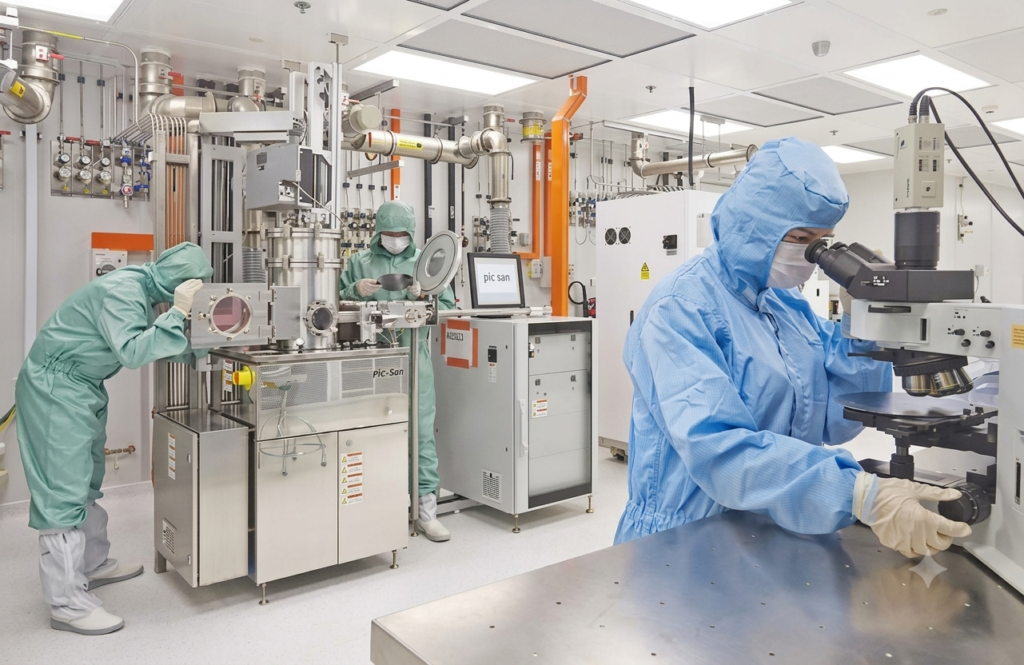
Controlled environments remain a critical part of pharmaceutical manufacturing, particularly for products and processes requiring stringent contamination control.
At iPHEX 2026, clean manufacturing technologies and facility requirements are likely to remain important areas of industry discussion. For manufacturers planning new plants, this highlights the importance of involving a Clean Room Consultant early in the project.
Cleanroom design needs to consider airflow, pressure differentials, temperature, humidity, personnel movement, material movement, and cleaning requirements as part of one integrated system.
5. Greater Focus on Pharmaceutical Utility Planning
Utilities are the backbone of any pharmaceutical manufacturing facility. HVAC, purified water, water-for-injection systems, compressed air, clean steam, electrical systems, and other supporting infrastructure must be planned around actual manufacturing requirements.
This is why pharmaceutical facility utility planning should begin during the early design stage.
A well-planned utility system can improve reliability, simplify maintenance, support compliance, and make future capacity expansion easier. For a Pharma Plant Setup Consultant, utility planning is therefore an important part of developing a practical and efficient manufacturing facility.
Sustainability and Energy Efficiency in Pharma Facilities
Sustainability is also becoming more relevant to pharmaceutical facility development. Rising energy costs, environmental expectations, and corporate sustainability targets are encouraging manufacturers to consider energy-efficient infrastructure.
This can influence HVAC systems, building design, water management, utility consumption, equipment selection, and facility monitoring.
The focus is not simply on making a facility “green.” The larger objective is to create a facility that uses resources efficiently while maintaining the environmental conditions required for pharmaceutical production.
What These Trends Mean for New Pharma Plant Projects
The developments shaping the pharmaceutical industry have a direct impact on facility planning.
A new pharmaceutical manufacturing plant needs to be designed around more than production capacity. Manufacturers must consider technology integration, compliance, cleanroom requirements, utilities, logistics, employee movement, quality control, and future expansion.
This is where an experienced Engineering Consultant can add value. Early engineering decisions can prevent expensive modifications during construction and help ensure that different parts of the facility work together.
For larger projects, businesses may also consider an EPCM Consultant or a Turnkey Project Consultant, depending on their preferred project delivery model and level of involvement in execution.
How Collabtec Supports Future-Ready Pharma Facilities
Industry events like iPHEX 2026 provide manufacturers with an opportunity to explore new technologies and understand how the pharmaceutical sector is evolving. The next step is translating those developments into practical facility requirements.
Collabtec supports pharmaceutical businesses with integrated Plant Engineering, facility planning, cleanroom consulting, utility planning, and project engineering services. As a Pharma Engineering Firm, the focus is on developing facilities that are efficient, scalable, and aligned with the client’s manufacturing objectives.
For businesses considering a new pharmaceutical facility or expansion project, the right engineering decisions at the planning stage can have a significant impact on project cost, timelines, compliance, and long-term performance.
Preparing for the Next Phase of Pharmaceutical Manufacturing
iPHEX 2026 comes at an important time for India’s pharmaceutical sector, with the industry moving toward innovation-driven products, advanced manufacturing capabilities, and more efficient facilities.
For manufacturers, the key takeaway is simple: future-ready pharmaceutical facilities need to be planned for flexibility, technology, efficiency, and scalability from day one.
Whether you’re exploring new manufacturing technologies at iPHEX or planning a pharmaceutical plant setup, understanding these trends can help you make better facility and engineering decisions.
Collabtec, an experienced Pharma Engineering Firm and Pharma Plant Setup Consultant, helps manufacturers translate these evolving requirements into practical facility solutions. From Plant Engineering and pharmaceutical facility planning to cleanroom and utility requirements, Collabtec supports businesses in developing efficient, scalable, and future-ready pharmaceutical facilities.
📅 7 to 9 September 2026
📍 Hall No. 6, Stall No. A3, Bharat Mandapam, New Delhi
Planning a new pharmaceutical facility, expansion, GMP upgrade, or engineering project? Bring your project requirements and discuss how better planning, design, and engineering can support your next pharmaceutical facility.
Meet Collabtec at the expo and let’s discuss your pharma facility requirements.
#Pharma #Engineering #Biopharma #cGMP #GxP #Cleanroom #ProcessEngineering #FacilityDesign
#API #Biologics #SterileManufacturing #Engineering #Manufacturing #IndustrialEngineering #ProjectManagement #Construction #EPCM #LifeSciences #Nutraceuticals #Healthcare
#R&D #QualityControl #labs #warehouse #collabtec